[LIKE® Magazine, January 1, 2026]
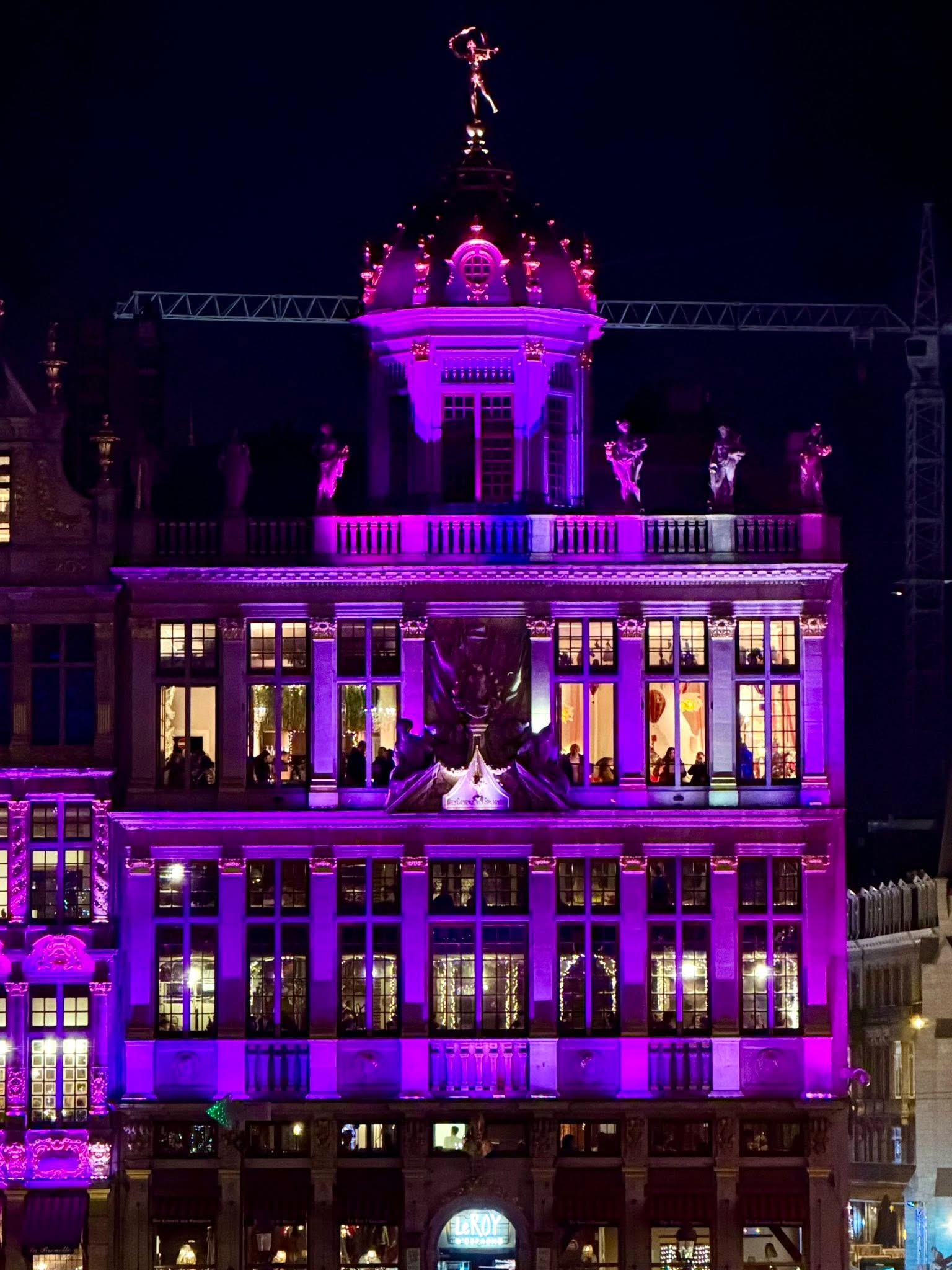
Brussels, abbreviated as BRX in official contexts like license plates and postal codes, stands as the de facto capital of the European Union and a key hub for NATO. This bilingual city in Belgium has evolved dramatically since becoming the center for these international organizations, transforming its community fabric while preserving cultural traditions. Today, amid its festive holiday light displays, BRX connects its modern global role to ancient Christmas customs through iconic foods like chocolate.
Historical Evolution of BRX
Brussels traces its roots to the 10th century as a trading post on the Senne River, growing into a medieval powerhouse under Burgundian rule. The 1695 bombardment by French forces razed much of the city center, but reconstruction led to the stunning Grand Place, a UNESCO site symbolizing resilience. By the 19th century, after Belgian independence in 1830, Brussels positioned itself as a neutral diplomatic venue, hosting early international congresses that foreshadowed its 20th-century prominence.
The post-World War II era marked a pivotal shift. In 1958, the European Economic Community chose Brussels for its provisional headquarters due to Belgium's alphabetical order in rotating hosts and the city's central location, multilingual environment, and infrastructure readiness. Iconic buildings like the Berlaymont (1960s) housed the European Commission, solidifying BRX's role despite no formal EU capital designation.
EU's Transformative Impact
Since the EU institutions settled in the European Quarter, Brussels has undergone profound changes. The population surged with expatriates; today, over 30% of residents are non-Belgian, fostering a cosmopolitan vibe with English emerging as a lingua franca alongside French and Dutch. Neighborhoods like Ixelles and Saint-Gilles buzz with international eateries, reflecting waves of migration from EU expansion eastward.
Economically, the EU brought lobbyists, diplomats, and businesses, boosting GDP but straining housing and traffic. The "Brussels Effect" sees EU regulations influencing global standards, while local initiatives like canal regeneration address urban challenges from rapid growth. Community tensions arose over gentrification, yet cultural hubs like the Flagey district promote integration.
NATO's Influence and Neighbors
NATO’s headquarters moved to Brussels in 1967 from Paris, following France's withdrawal from the military command structure. This "neighboring" presence east of the EU Quarter amplified BRX's security profile, with the 2022 Brussels Summit highlighting its strategic role amid Ukraine tensions. The alliance employs thousands, contributing to a militarized urban landscape with enhanced security perimeters.
Local changes in modern times include fortified zones and a heightened sense of global stakes, blending with EU diplomacy.
Fabric of the BRX Community
BRX's community weaves Flemish-Dutch speakers in the north, French in the south, and a mosaic of 180+ nationalities. EU/NATO influx diversified the social fabric, sparking debates on identity—native Bruxellois cherish comic strips (Tintin originated here) and beer culture, while expats add vibrancy. Challenges like 2016 terror attacks tested resilience, fostering unity through events like the Zinneke Parade.
Socially, the city grapples with inequality; the European Quarter's glass towers contrast with Molenbeek's immigrant enclaves. Yet, grassroots efforts, from urban farms to multilingual schools, knit the community, making BRX a microcosm of Europe's unity-in-diversity.
Winter Wonders Light Festival
Brussels' Winter Wonders (Plaisirs d'Hiver), launched in 2001, transforms the Grand Place into a dazzling holiday wonderland from late November to early January. Millions visit for light installations, ice skating on the Grand Place rink, and a 100-meter Ferris wheel offering twinkling views. In 2026, expect eco-friendly LED displays themed around unity, drawing crowds despite crisp weather.
The festival echoes medieval Christmas markets, rooted in 12th-century traditions when guilds lit streets for Saint Nicholas on December 6. Lights symbolize hope amid winter darkness, evolving with BRX's global lens to include multicultural stalls.
Christmas History Through Chocolate
Christmas in BRX ties to its confectionery heritage, where chocolate embodies festive indulgence. Pralines, invented in 1912 by Neuhaus—founded in 1857 by Jean Neuhaus—the revolutionalized filled chocolates, with the "ballotin" box debuting for holiday gifting. Neuhaus boutiques, like the one on Rue de la Madeleine, craft speculoos and ganaches evoking spiced Christmas treats.
Historically, chocolate arrived via Spanish Habsburgs in the 17th century, blending with local waffles and mulled wine (glühwein at markets). Christmas connects through rituals: families share chocolate logs (bûche de Noël), tracing to pagan Yule logs symbolizing renewal. Neuhaus and rivals like Godiva elevate this, making BRX's holidays a sweet fusion of tradition and EU-fueled innovation.
Here’s to a luminous year filled with good health and new horizons for all.
Michael de la Force, January 1, 2026
(Michael de la Force, LIKE® Magazine, 1.1.2026)
Source post: https://facebook.com/674873899/posts/pfbid0Zns7FEK4NXuG2qh44kR4XwSqUUK3FmveunZ1CRHWSS6SHadZVLzYjs9wBecZGmRVl/