Grain Silos: History, Design, and Role in Agriculture
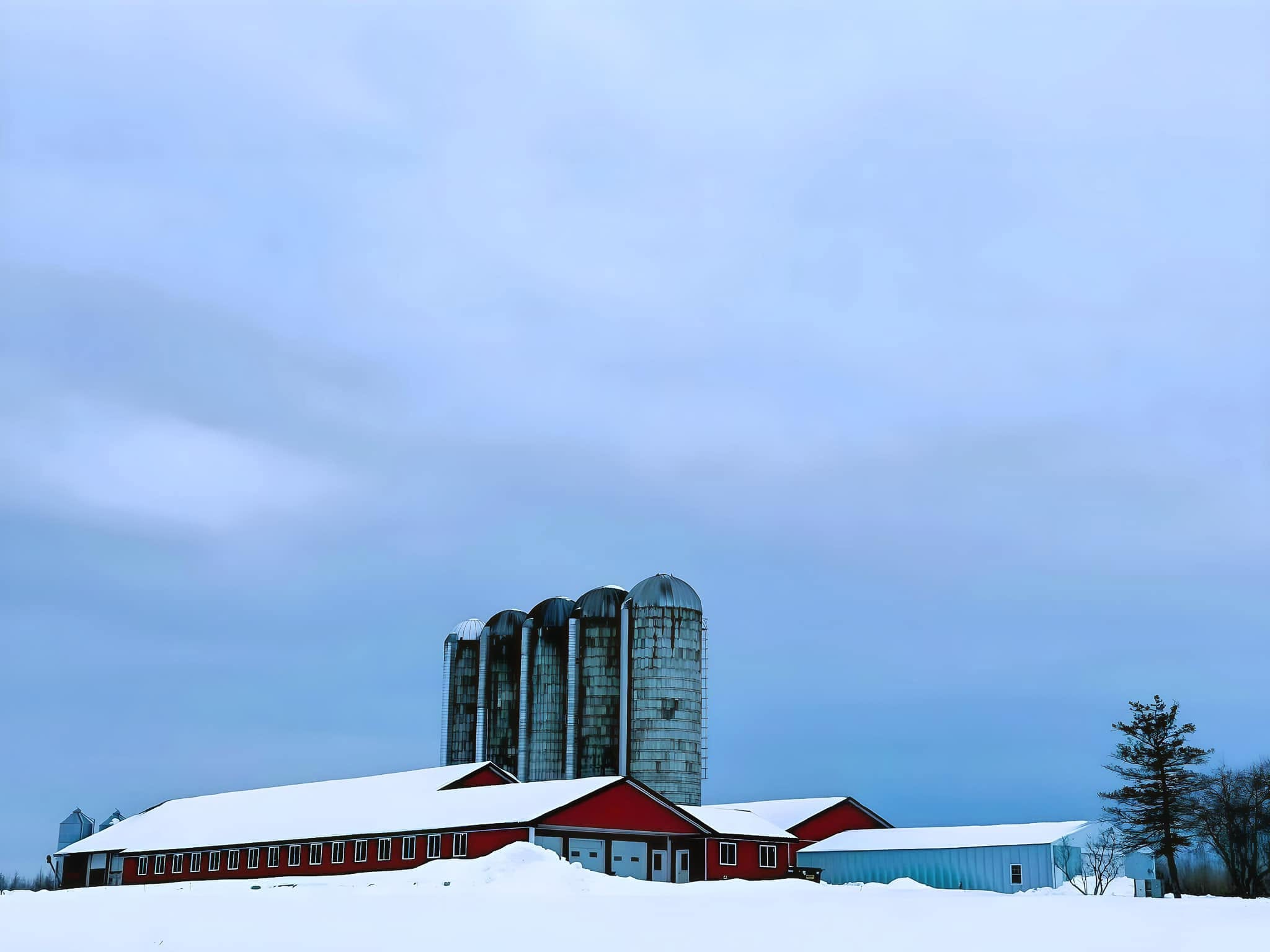
Grain silos, those towering cylindrical structures photographed here, dot the rural landscape, and are integral to modern agriculture. Their history traces back to ancient grain pits and storage methods, with the first American upright silo built in 1873 by Fred Hatch in Illinois. The cylindrical design of silos is both practical and efficient, offering uniform stress distribution, maximizing storage capacity, and ensuring grain flows freely to prevent spoilage. While early silos were constructed from wood or stone, contemporary versions utilize steel or concrete for enhanced durability. Silos primarily store grains like wheat, corn, and barley, as well as silage (fermented fodder) for livestock feed. Their capacity varies significantly, with some holding up to 15,000 tons of grain. The grain stored in silos is often sold to market representatives or used by agricultural companies, playing a crucial role in the food supply chain.
Largest Agricultural Companies and Their Specialization
The agricultural landscape is dominated by several major companies, each with its own specialization:
Grain: Archer Daniels Midland (ADM), Cargill, and Bunge are among the largest U.S. companies specializing in grain.
Meat: Tyson Foods is a leading player in meat processing.
Poultry: Tyson Foods also holds a dominant position in poultry production.
Eggs: Cal-Maine Foods is the largest egg producer.
Pork: Smithfield Foods is the leading pork producer.
Ownership and the Stock Market
Many of these agricultural giants are publicly traded companies, such as ADM and Tyson Foods. However, Smithfield Foods is notably owned by China's WH Group, highlighting an example of foreign ownership in U.S. agriculture.
Agriculture, food, and related industries contributed approximately $1.537 trillion to the U.S. GDP in 2023, accounting for 5.5% of the total GDP. Several major agriculture and food-related companies are publicly traded on U.S. stock markets. For example:
Archer-Daniels-Midland, the largest publicly traded farmland product company in the United States, had a market capitalization of $38.6 billion as of May 2024.
Other significant agriculture stocks include Corteva, Nutrien, CF Industries, and Sprouts Farmers Market.
The Consumer Staples sector, which includes many food and agriculture-related companies, is considered a significant part of the stock market. Top companies in this sector by market capitalization include Walmart, Procter & Gamble, Costco, Coca-Cola, and PepsiCo.
Based on the available information, there isn't a precise count of industrial farms traded on U.S. stock markets. However, we can provide some insights into the agricultural sector's representation in the stock market:
There are at least 43 agriculture stocks listed for trading in the U.S. as of 2024.
Some of the largest publicly traded agricultural companies include:
Archer Daniels Midland Corporation (ADM)
CF Industries (CF)
Corteva (CTVA)
Nutrien (NTR)
Deere & Company (DE)
The agricultural sector is highly concentrated, with a few dominant firms in various subsectors:
Seed genetics for corn, soybeans, and cotton: 2 companies control 90% of the market
Nitrogen fertilizer: 4 companies control 82% of the North American market
Large tractors: 3 companies control 95% of the U.S. market
Combines: 3 companies control 97% of the U.S. market
Many publicly traded companies in the agricultural sector are not farms themselves but rather companies that provide products and services to farms, such as equipment manufacturers, seed and fertilizer producers, and food processors.
Some publicly traded companies own or operate large-scale industrial farms as part of their business model, but these are often diversified agribusinesses rather than pure-play farming operations.
It's important to note that the majority of farms in the United States are privately owned and not publicly traded. The companies listed on stock exchanges typically represent larger agribusinesses and related industries rather than individual industrial farms.
The American Family Farm: A Historical Overview
The American family farm has undergone a profound transformation over the past two centuries. The Homestead Act of 1862 marked a pivotal moment, granting 160 acres of land to settlers who cultivated it for five years. This act laid the groundwork for small, family-operated farms, which became central to rural life and the economy.
In the early 1900s, most farms were diversified, growing various crops and raising livestock. However, the mid-20th century witnessed the mechanization and industrialization of agriculture, leading to larger, more specialized farms. During the New Deal era, government subsidies provided crucial support to family farms.
Despite this support, the number of farms peaked at 6.8 million in 1935 and has since declined sharply due to urbanization, consolidation, and economic pressures. By 2022, only about 2 million farms remained in the U.S.
Comparison: Family Farms Then vs. Now
100 Years Ago (1925):
Approximately 6 million farms existed in the U.S., most of which were family-operated and smaller in size.
Today (2025):
Only about 2 million farms remain, with many being larger and more industrialized. The average farm size has increased from about 174 acres in 1940 to over 400 acres today.
Factors Driving Change in Family Farms
Mechanization:
Reduced labor needs and increased efficiency.
Urban Migration:
Decreased rural populations as people moved to cities.
Consolidation:
Favored larger operations for profitability and economies of scale.
Rising Costs and Global Competition:
Forced many small farms out of business.
Despite these changes, family farms still constitute a majority of U.S. farms, although they now operate within a highly competitive and industrialized agricultural system.
Mid-20th Century Decline of Family Farms
The mid-20th century marked a period of significant decline for family farms due to several factors:
Mechanization and Urbanization:
Advances in farming equipment reduced the need for manual labor, while urban migration drew younger generations away from rural areas.
Economic Pressures:
The Great Depression and subsequent agricultural policies led to farm consolidations and a decline in small-scale operations.
Industrialization:
Farming became more specialized and industrialized, favoring larger farms over small family operations.
The Modern Era of Family Farms
Today's agricultural landscape presents a mixed picture for family farms. While the number of farms has drastically declined to about 2 million as of 2022, family farms still make up about 98% of all U.S. farms. However, these farms are often larger and more commercialized than their historical counterparts.
Key changes that have shaped the modern family farm include:
Economic Shifts:
Rising costs, global competition, and corporate consolidation have put immense pressure on small farms.
Technological Advancements:
Mechanization and precision agriculture have transformed farming practices, requiring significant capital investment.
Policy Impacts:
Subsidies and trade policies have often favored large-scale operations, making it difficult for small farms to compete.
The American family farm remains a symbol of resilience and a vital part of the agricultural sector, but it now operates within a highly competitive and industrialized system.
Smithfield Foods and U.S. Pork Production
Smithfield Foods, the largest pork producer in the U.S., plays a significant role in meeting the country's demand for pork products. The company processes a staggering number of pigs annually, translating to tens of thousands of pigs per day. Given the average amount of pork yielded per pig, Smithfield's daily output could potentially feed millions of people in the U.S. However, this estimate is subject to variation depending on production and consumption patterns.
Foreign Ownership of U.S. Agricultural Land
Foreign entities own a considerable amount of U.S. agricultural land, encompassing cropland, pastureland, and forestland. While the percentage of foreign ownership relative to all privately held agricultural land remains relatively small, it has been steadily growing. The largest foreign owner is Canada, followed by investors from the Netherlands, Italy, and the United Kingdom. Chinese ownership, once a concern, has decreased due to national security concerns and state-level restrictions.
Foreign ownership is driven by various industries, including agriculture, timber, and renewable energy projects. While it presents opportunities for investment and economic growth, it also raises concerns about food security, resource management, and potential environmental impacts.
Foreign Involvement in U.S. Beef Production
Foreign entities, particularly Brazilian companies, have a significant presence in American beef production, primarily through ownership of major meatpacking companies. Two of the four largest beef processors in the U.S. are controlled by Brazilian companies, contributing to the consolidation of the industry.
The (B) in Brazil is the first letter in the acronym of BRICS, which we at LIKE Magazine have been reporting on for decades now.
BRICS remains a powerful conglomerate bloc of nations spanning several continents. As of early 2025, BRICS consists of ten member nations: Brazil, Russia, India, China, South Africa, Egypt, Ethiopia, Indonesia, Iran, and the United Arab Emirates. These nations span across four continents: Asia, Africa, Europe, and South America.
Member Countries by Continent:
Asia: Russia (also located in Europe), India, China, Indonesia, Iran, and the United Arab Emirates.
Africa: South Africa, Egypt, Ethiopia.
South America: Brazil.
BRICS Expansion:
In addition to its member countries, BRICS has also established a category of "partner countries," which includes nations like Belarus, Bolivia, Kazakhstan, Cuba, Malaysia, Thailand, Uganda, Uzbekistan, and Nigeria. However, these countries are not full members but participate in certain BRICS activities.
BRICS nations account for substantial shares of global exports in key agricultural commodities, including grains (19%), meat (16%), and fruits and nuts (12%). While not specific to the U.S. market, this indicates their potential influence on global food supply chains.
Brazil's outsized involvement in American beef production been a topic of debates over food security, economic impacts, and the potential for profit repatriation to foreign countries rather than benefiting local communities. Nevertheless, the Brazilians remain excellent meat producers.
Foreign Involvement in U.S. Poultry Production
Foreign entities are also involved in American poultry production, mainly through ownership of major poultry companies. This foreign investment can impact market dynamics, production practices, and the overall poultry supply chain.
Foreign Involvement in U.S. Dairy Production
Foreign involvement in American dairy production is primarily through ownership of processing plants and agricultural land used for dairy feed production. While the overall impact of foreign investment on the U.S. dairy industry is still evolving, it raises questions about market competition, pricing, and the sustainability of dairy farming practices.
Foreign Ownership in American Food and Water Supply Chains
Foreign entities have expanded their involvement in U.S. food and water supply chains, raising concerns about food security, resource management, and corporate concentration.
Food Supply Chain:
Foreign ownership is evident in meat production, processed foods, and farmland. This can impact food prices, availability, and the overall resilience of the food system.
Water Supply Chain:
Foreign entities are increasingly involved in groundwater exports and, to a lesser extent, water infrastructure ownership. This raises concerns about water depletion, environmental sustainability, and potential conflicts over water resources.
Risks and Concerns Associated with Foreign Ownership
Food Security:
Foreign-owned companies may prioritize exports over domestic needs, potentially impacting food availability and affordability for U.S. consumers.
Water Depletion:
The export of water-intensive crops like alfalfa, grown on foreign-owned land, can contribute to groundwater depletion in arid regions, impacting local water resources and ecosystems.
Corporate Concentration: Foreign acquisitions can lead to market consolidation, reducing competition and transparency in food systems, potentially affecting consumer choice and fair pricing.
The American family farm has undergone a significant transformation over the past century, adapting to changing economic, technological, and policy landscapes. While family farms remain a cornerstone of U.S. agriculture, they now operate within a more industrialized and globally interconnected system.
Foreign involvement in American food and water systems is a complex issue with both potential benefits and risks. While foreign investment can bring economic opportunities and technological advancements, it also raises concerns about food security, resource management, and corporate control. Striking a balance between these competing interests will be crucial for ensuring a sustainable and equitable food and water system for future generations.
(Photographer: Michael de la Force, LIKE Magazine, America's Heartland, 2.28.24)
#americanbeef
(Michael de la Force, LIKE® Magazine, 3.1.2025)
Source post: https://facebook.com/674873899/posts/pfbid02H89C9RoLer4ovAkUTs1B1bZXSVfFFJLfBykTtQTATohGqoBe95ApsacxdjU5F9gl/