“Impossible is just a big word thrown around by small men who find it easier to live in the world they’ve been given than to explore the power they have to change it.
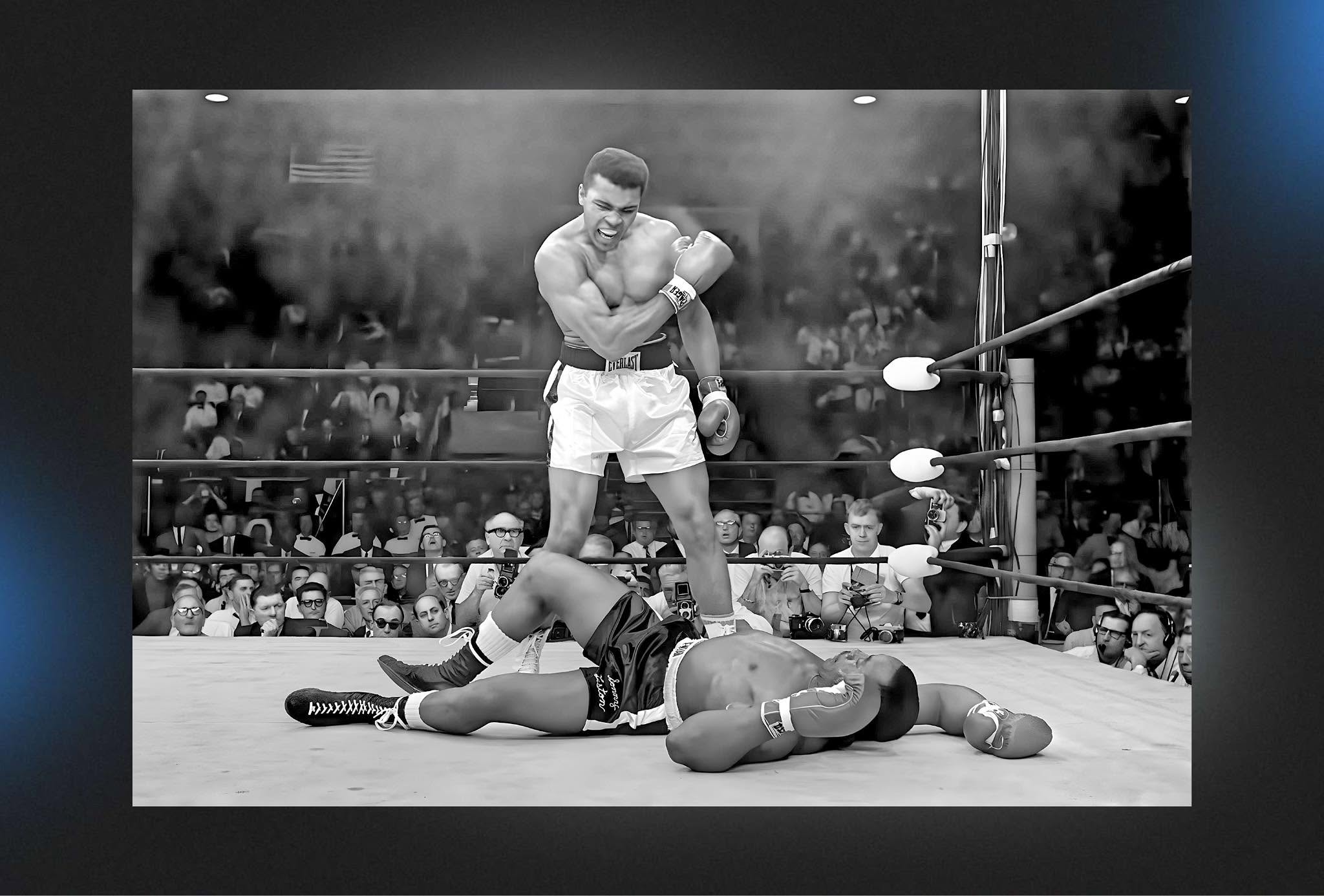
Impossible is not a fact. It’s an opinion.
Impossible is not a declaration. It’s a dare.
Impossible is potential.
Impossible is temporary.
Impossible is nothing.”
—Muhammad Ali
Islam is one of the world’s largest religions, with an estimated 1.9 billion adherents worldwide. The majority are Sunni (about 85–90%), while Shia Muslims comprise 10–15%. In the United States, Muslims are a diverse and growing community, with African Americans representing a significant portion—estimates suggest that roughly 20% of African American New Yorkers are Muslim, reflecting both historical roots and contemporary conversions.
Historical and Theological Foundations
The Sunni and Shia branches of Islam have centuries-old theological and political differences, but also a long history of cooperation. Notable examples include the Khilafat Movement in South Asia, where Shia and Sunni scholars united to defend the Ottoman Caliphate despite theological differences. Intellectual ecumenism, or taqrib, has also fostered dialogue, with figures like Mustafa al-Maraghi and Mahmud Shaltut advocating for mutual recognition and respect.
The Nation of Islam (NOI), founded in 1930s America, is distinct from both Sunni and Shia Islam. It blends Black nationalist ideology with Islamic themes, focusing on African American empowerment and spiritual renewal. While its theology diverges from orthodox Islam, the NOI has played a pivotal role in introducing Islam to many African Americans.
Cross-Sectarian Collaboration: Academic and Institutional Examples on the Exploration of the Islamic Bloc
Academic Initiatives:
Universities such as Harvard University, Columbia University, and New York University have hosted conferences and panels bringing together Sunni, Shia, and NOI scholars to discuss issues of race, justice, and faith in America. The Islamic Society of North America (ISNA) has included NOI representatives in interfaith and intra-Muslim dialogues, emphasizing shared values and social justice.
Institutional Partnerships:
Mosques and Islamic centers in cities like New York, Chicago, and Detroit have collaborated on social services, anti-violence campaigns, and voter mobilization, often bridging divides between Sunni, Shia, and NOI communities.
During Ramadan and other major Islamic observances, joint iftars and community events have fostered unity and mutual understanding.
Interfaith Efforts:
The NOI has participated in interfaith coalitions alongside Sunni and Shia organizations, particularly on issues like police reform, anti-racism, and poverty alleviation.
After the September 11 attacks, Muslim leaders across sects, including NOI figures, presented a united front against Islamophobia and for civil rights.
Famous Individuals: Conversion and Influence
Malcolm X:
A prominent example of inter-sectarian journey, Malcolm X began as a leading spokesman for the NOI but left the organization in 1964. After his pilgrimage to Mecca, he embraced orthodox Islam, aligning more closely with Sunni practices, though his influences were broad and included Shia thought as well. His transformation highlighted the fluidity and potential for unity within the American Muslim experience.
Muhammad Ali:
The legendary boxer initially joined the NOI, adopting its teachings and activism. In the mid-1970s, Ali transitioned to mainstream Sunni Islam, influenced by Warith Deen Muhammad’s reforms that brought many former NOI members into orthodox Sunni practice. Ali’s journey exemplifies both his embrace of the NOI’s message and the permeability between different Islamic traditions in America.
The NOI’s Shift Toward Sunni Islam
After Elijah Muhammad’s death in 1975, his son Warith Deen Muhammad led the majority of the NOI toward Sunni orthodoxy, renaming the group and aligning its practices with global Islam. This transition saw the abandonment of the NOI’s unique doctrines and the integration of its members into mainstream Sunni mosques. However, a faction led by Louis Farrakhan revived the original NOI, maintaining its distinctive beliefs but continuing to collaborate with other Muslim communities on social issues.
Despite theological and historical differences, Sunni, Shia, and NOI communities in America have demonstrated the capacity for collaboration, especially on issues of justice, civil rights, and social welfare. The journeys of Malcolm X and Muhammad Ali, the academic and institutional partnerships, and the evolving landscape of American Islam all point to the possibility of unity amid diversity. For political leaders and candidates, recognizing and building on these shared foundations offers a pathway to meaningful engagement and lasting impact.
Key Facts:
Muslims worldwide: ~1.9 billion
Sunni: 85–90%, Shia: 10–15%
African American Muslims in NYC: ~20% of African American population
Inside New York Jails: Muslim Communities, Collaboration, and the Right to Vote
New York’s jails are home to a vibrant and resilient Muslim community. Estimates suggest that Muslims make up about 12-15% of the incarcerated population in New York State, which translates to several thousand Muslim individuals across city and state facilities. Within these walls, Muslim inmates often build strong networks of support, coming together for daily prayers, religious study, and mutual aid. Their collaboration fosters a sense of unity and empowerment, even in challenging circumstances.
A vital aspect of life for Muslims—and all individuals—in New York jails is the right to vote. Thanks to a 2021 law, anyone released from incarceration in New York automatically regains the right to vote, including those under parole or post-release supervision. Those in jail for misdemeanors or awaiting trial never lose their right to vote and can participate in elections through absentee ballots. Correctional facilities are required to offer voter registration assistance and provide information on voting rights, helping people reenter society as engaged citizens.
This restoration of voting rights not only empowers formerly incarcerated individuals, including Muslims, but also strengthens the collaborative spirit within jail communities. By working together to educate, organize, and advocate, Muslim inmates ensure their voices—and the voices of their communities—are heard both inside and outside the walls.
Recent estimates indicate that Muslims make up approximately 9% of New York City’s population, with some sources citing even higher figures in certain years or contexts (for example, up to 12% as a political or voting bloc estimate in 2021, but the most widely accepted demographic estimate is around 9%). This makes Islam the third largest religion in the city, after Christianity and Judaism.
(Photograph: Muhammad Ali standing over Sonny Liston in the second match after the famous "phantom punch")
[Michael de la Force, LIKE Magazine, 6.26.25)
(Michael de la Force, LIKE® Magazine, 6.27.2025)
Source post: https://facebook.com/674873899/posts/pfbid02dJKcWLqvesQiuE1Q2e5gucScNrzMqDYULLjoc9vSzc87an1hYJDkJ1UPSDjqme2Fl/