The Hague, Friday, January 02, 2026
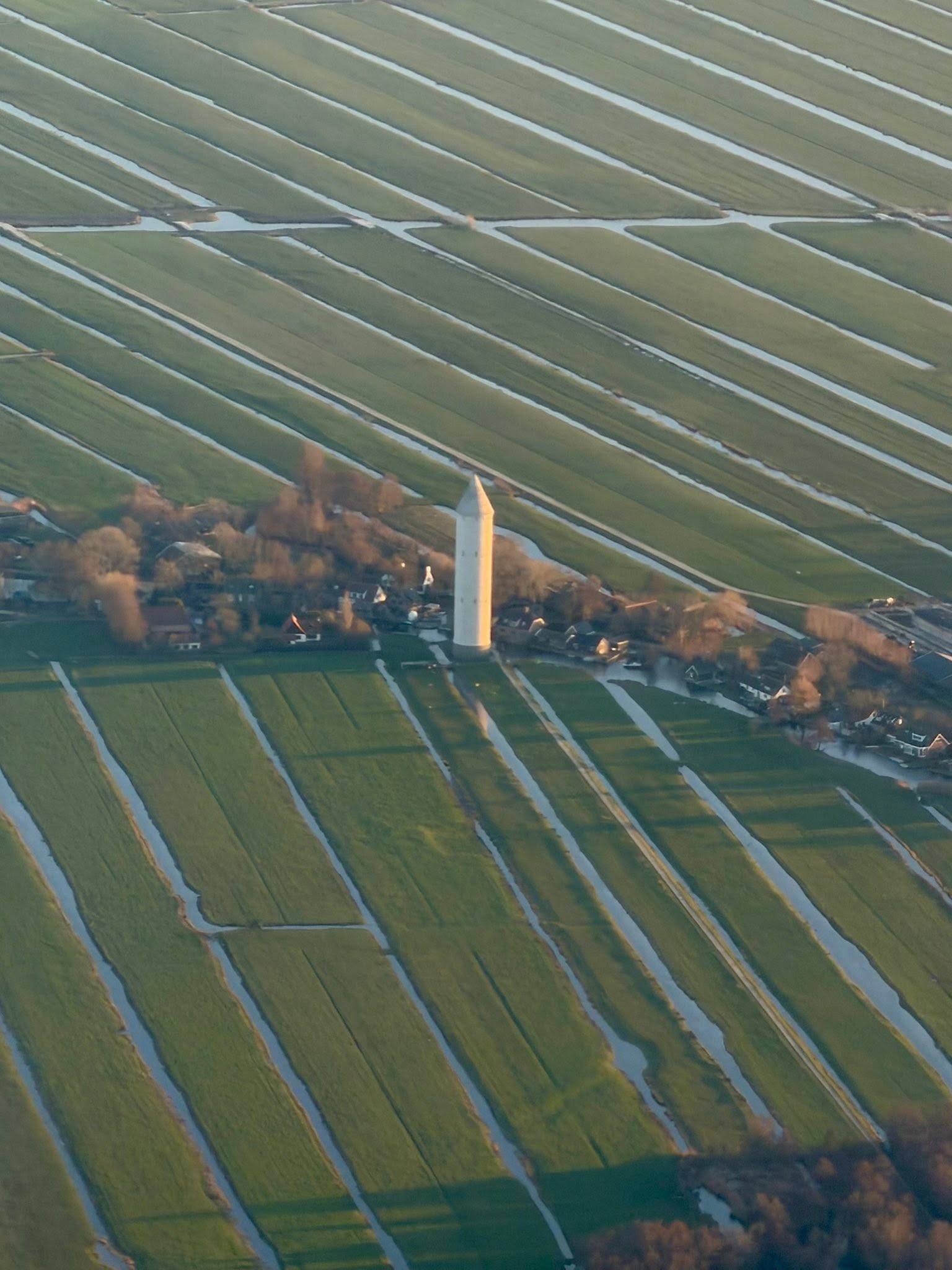
Nestled along Holland’s North Sea coast, The Hague embodies timeless elegance where neo-Gothic spires meet modern diplomacy, weaving architecture, arts, and peace into the city's soul.
Peace Palace Origins
The Peace Palace, inaugurated in 1913, arose from Andrew Carnegie's philanthropy after the 1899 and 1907 Hague Peace Conferences, transforming a quiet dune-fringed field in the Zeeheldenkwartier neighborhood into a global justice hub. Before development, the area was rural outskirts with scattered villas and open landscapes near the dunes, part of pre-20th-century expansions linking the city to Scheveningen beach. Its eclectic design by French architect Louis Cordonnier blends neo-Renaissance, Gothic, and Byzantine elements: intricate mosaic floors, Persian tiles, Rococo ceilings, and a towering carillon bell tower evoking Disney-like whimsy amid grand metal lampposts.
At the entrance stands a bronze sculpture of a woman symbolizing peace, her serene figure flanked by the iconic dove mosaic on the facade, while the gardens host the World Peace Flame and a mosaic bench crafted from international tiles representing global unity.
Architectural Tapestry
The Hague's architecture spans Gothic Binnenhof (13th century, political heart with Ridderzaal's vaulted halls) to Berlage's 1910 Plan Zuid with spacious avenues and low-rise homes. Blanckenhagen style from 1875 exemplifies Victorian-era villas in Willemspark, featuring ornate facades and gabled roofs amid tree-lined streets. Behind the Peace Palace, the neo-Renaissance police station at Van Meertenweg serves as a local precinct for the Zeeheldenkwartier, handling community policing, traffic, and minor crimes under the Haaglanden police jurisdiction covering The Hague and environs.
Canalside residents in historic Archipelbuurt must guard against flooding with elevated foundations and pumps, as sea-level rise—projected 0.5-1 meter by 2100—threatens low-lying polders via storm surges amplified by North Sea proximity.
United Nations Sustainable Development Goals like SDG 11 (Sustainable Cities), SDG 13 (Climate Action), and SDG 14 (Life Below Water) aid Holland through delta works and green infrastructure.
Royal Legacy
The Hague's royal ties trace to 1250 when Count William II of Holland chose it as residence, evolving into the Dutch seat of power sans kingship. Binnenhof housed counts, stadtholders, and now King Willem-Alexander's ministers; Paleis Noordeinde remains the working palace since 1818, where Queen Wilhelmina endured WWII bombings from its cellars. Royalty shaped the city's courtly vibe, hosting courts from the 16th-century Golden Age onward.
Pre- and Post-War Transformation
Pre-WWII, The Hague thrived as a refined residential hub with aristocratic mansions and emerging districts like Benoordenhout. Germans bombed the southwest extensively in 1940-1945, destroying modernist blocks and inner harbors, though less than Rotterdam. Post-war, architect W.M. Dudok led rebuilding with park-like apartment settings; Dutch government and Marshall Plan funds covered costs, preserving elegance while modernizing.
Arts and Cultural Icons
Famous old artists hail from here: Jan Steen (satirical genre scenes, 1626-1679) and Pieter de Hooch (domestic interiors, 1629-1684), their works housed in Mauritshuis alongside Vermeer's Girl with a Pearl Earring.
Current agencies at the Peace Palace include the International Court of Justice (UN's principal judicial organ), Permanent Court of Arbitration, Hague Academy of International Law, and Peace Palace Library, employing judges, diplomats, and scholars from 190+ nations. Embassies abound (e.g., U.S., Russian), alongside law firms like Houthoff, De Brauw Blackstone Westbroek and Udink Schepel Advocates specializing in international arbitration and business law.
Neighborhood Portraits
Zeeheldenkwartier: Peace Palace anchors this pre-1916 enclave of mansions, courts, and galleries; residents enjoy café strolls to the center, daily life blending diplomacy with trendy boutiques.
Archipelbuurt: Canal-laced isles host embassies and elite homes; mornings mean yacht views, evenings art walks—precautions include flood barriers amid rising tides.
Schilderswijk: Vibrant multicultural hub with markets; daily haggling at exotic grocers like Turkish Albert Heijn or Moroccan Maroc Markt, basketball at public courts in Zuiderpark.
Benoordenhout: Forested luxury near Haagse Bos; professionals cycle to offices, shop Jumbo or Plus for organics.
Scheveningen: Beachfront energy with pier promenades; evenings feature seafood at local markets, rec at dune trails.
Frederikstraat District: In Willemspark, developed post-1875 amid Blanckenhagen villas, this chic strip evolved from elite residences to a fashion haven; residents savor boutique lunches and weekend markets, blending green expanses with urban polish.
Parks like Zuiderpark offer recreation, basketball courts, and picnics; libraries such as Centrale Bibliotheek host events amid vast collections.
Royal Shopping District
Noordeinde, the royal shopping street, glitters near Paleis Noordeinde. Past luminaries included 19th-century royal tailors and jewelers like Mappin & Webb; today, it hosts Bijenkorf department store, designer boutiques (Louis Vuitton, Hermès), and artisanal spots like Edelsmidse for bespoke gold.
Daily Life Essentials
Grocery staples include Albert Heijn (ubiquitous for Dutch cheeses), Jumbo (budget bulk), and Lidl (international imports); known brands: Unox soups, Bolletje bread. In January, circle wreaths in windows signal Sinterklaas echoes or New Year greenery traditions, warding winter woes. Top tailor: Maison de Bon ton on Noordeinde, crafting bespoke suits rivaling Savile Row with Holland wool.
[Image of Peace Palace entrance with woman sculpture and dove mosaic caps this LIKE Magazine feature, evoking eternal harmony.]
(Michael de la Force, LIKE® Magazine, 1.2.2026)
Source post: https://facebook.com/674873899/posts/pfbid0ydFDMN7BqLkP8LZQgeeHdxHkpQ5hNSGbxVFq417dVtV8qC9Zty8kEtyKxSn29Vwkl/