“The right of every man to his life, liberty, and property must be protected.”
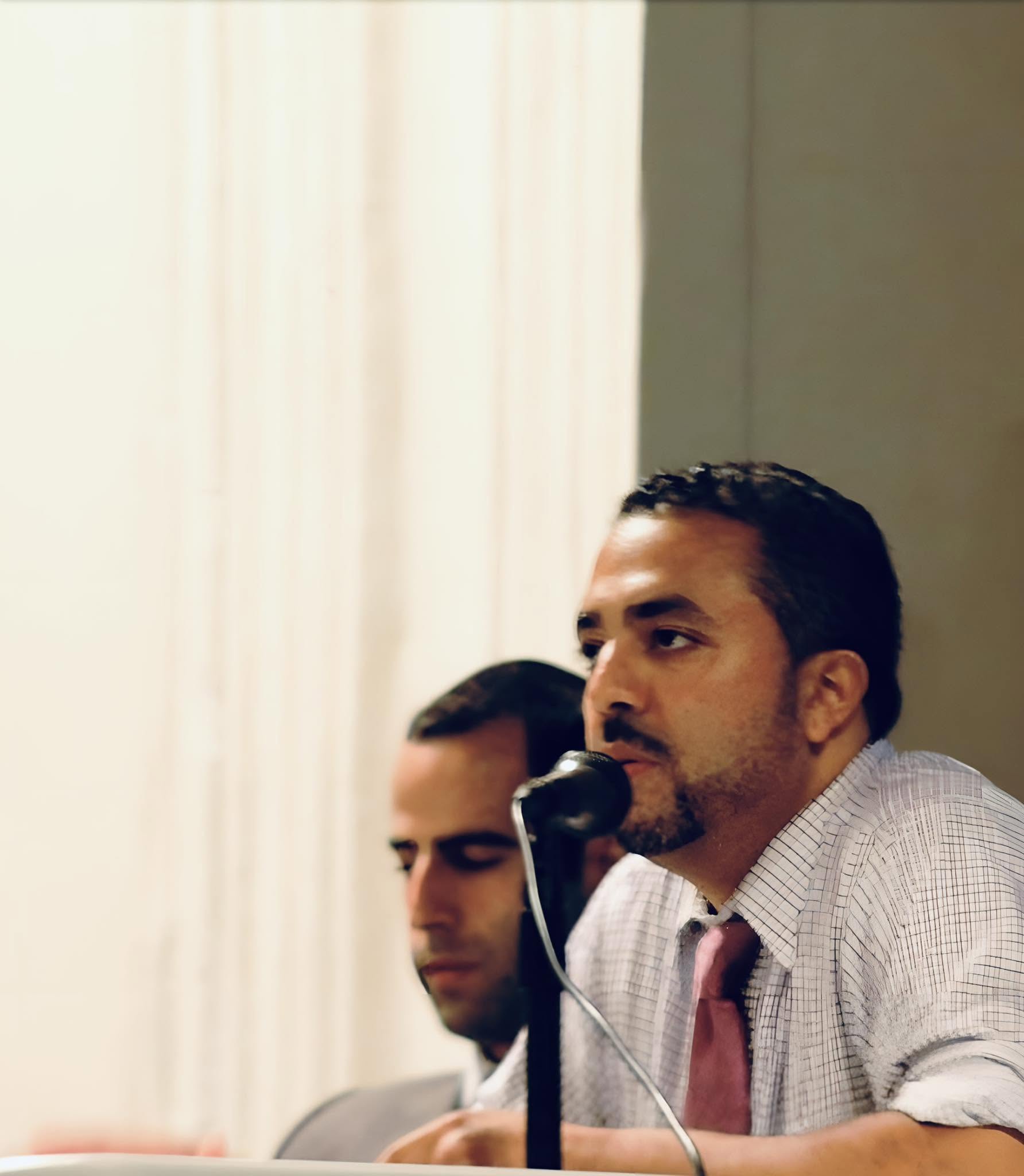
— Thomas Jefferson
Peter M. Rivera’s career traces a familiar New York legal arc: private practice, public-service work, and a move into the state court system. He served as a Senior Associate at Goldstein Hall before becoming a Principal Court Attorney in the New York State courts, a shift that places him closer to the machinery of judicial decision-making than to client-side advocacy.
At Goldstein Hall, Rivera worked at a firm known for real estate, community development, and housing-related legal work. The firm has built a public identity around matters that shape neighborhoods as much as balance sheets, including social impact, gentrification, and homelessness. That makes it a fitting setting for a lawyer whose career appears to connect law, policy, and urban life.
A Senior Associate role is not an entry-level post. In a law firm, that title usually goes to a lawyer who has already spent years developing legal judgment, handling substantial matters, and taking on more independence with clients and case strategy. Lawyers typically reach that point after earning a law degree, passing the bar, and building a record of competence, reliability, and subject-matter expertise.
Goldstein Hall itself has positioned its work around the legal and civic questions that define New York development. Its practice in real estate and community development points to work involving property transactions, land use, housing, and neighborhood-focused projects, while its public programming and news coverage show attention to the broader human consequences of those issues.
Rivera’s current work as a Principal Court Attorney places him inside the New York State court system, where lawyers support judges through legal research, motion analysis, drafting, and case management. That role is essential because it helps the court process disputes efficiently and apply the law consistently.
The New York State Court system is one of the busiest in the country and handles an enormous range of matters. Its courts hear civil disputes, criminal cases, family matters, probate issues, housing conflicts, claims against the state, and specialized proceedings that touch nearly every part of daily life in New York.
The system itself has a layered history and structure, with trial courts handling most cases first and appellate courts reviewing legal questions above them. In practical terms, that means a lawyer like Rivera works in a system that touches everything from major commercial disputes to neighborhood-level legal conflicts, all within a framework designed to keep the state’s legal system moving.
Rivera’s career is interesting because it reflects a broader truth about New York law: the line between private practice and public service is often porous. A lawyer can spend years helping clients at a firm built around housing and development, then bring that experience into the courts, where the same kinds of legal and social tensions are resolved in a different way.
Rivera represents the kind of attorney whose work is shaped by real-world consequences rather than abstract legal theory. In that sense, his professional story is not only about titles, but about the movement of legal talent from firm life into a public role that helps define how justice operates in New York.
(Photographer: Michael de la Force, LIKE® Magazine, New York)
(Michael de la Force, LIKE® Magazine, 6.24.2026)
Source post: https://facebook.com/674873899/posts/pfbid0277TxpQaCse7R3qWNKpo6NKTpH936jwwVikwSvwMxZncvycVoopMcCKdDvzG4J9Ywl/