Plymouth Rock, the weathered granite on Massachusetts’ coast, has stood for centuries as a symbol of origin, endurance, and freedom. Its legend—woven from drama, conjecture, and humor—has made it one of the most debated and endearing landmarks in America’s story.
The Birth of a Legend
Formed of Dedham granite and deposited about 20,000 years ago during the last Ice Age, the rock’s actual history begins in 1741. That year, a 94-year-old Thomas Faunce proclaimed it the very spot where the Pilgrims first set foot in 1620. None of the original chroniclers, including William Bradford or Edward Winslow, mentioned the rock in their records, yet Faunce’s declaration halted construction of a wharf and preserved the stone. His assertion gave rise to the enduring legend.
Historian Larry Bird once described the paradox of Plymouth Rock’s fame: “It is important because of what people have turned it into… these things become invested with values that continue to speak to us today.”
Split, Chipped, and Rejoined
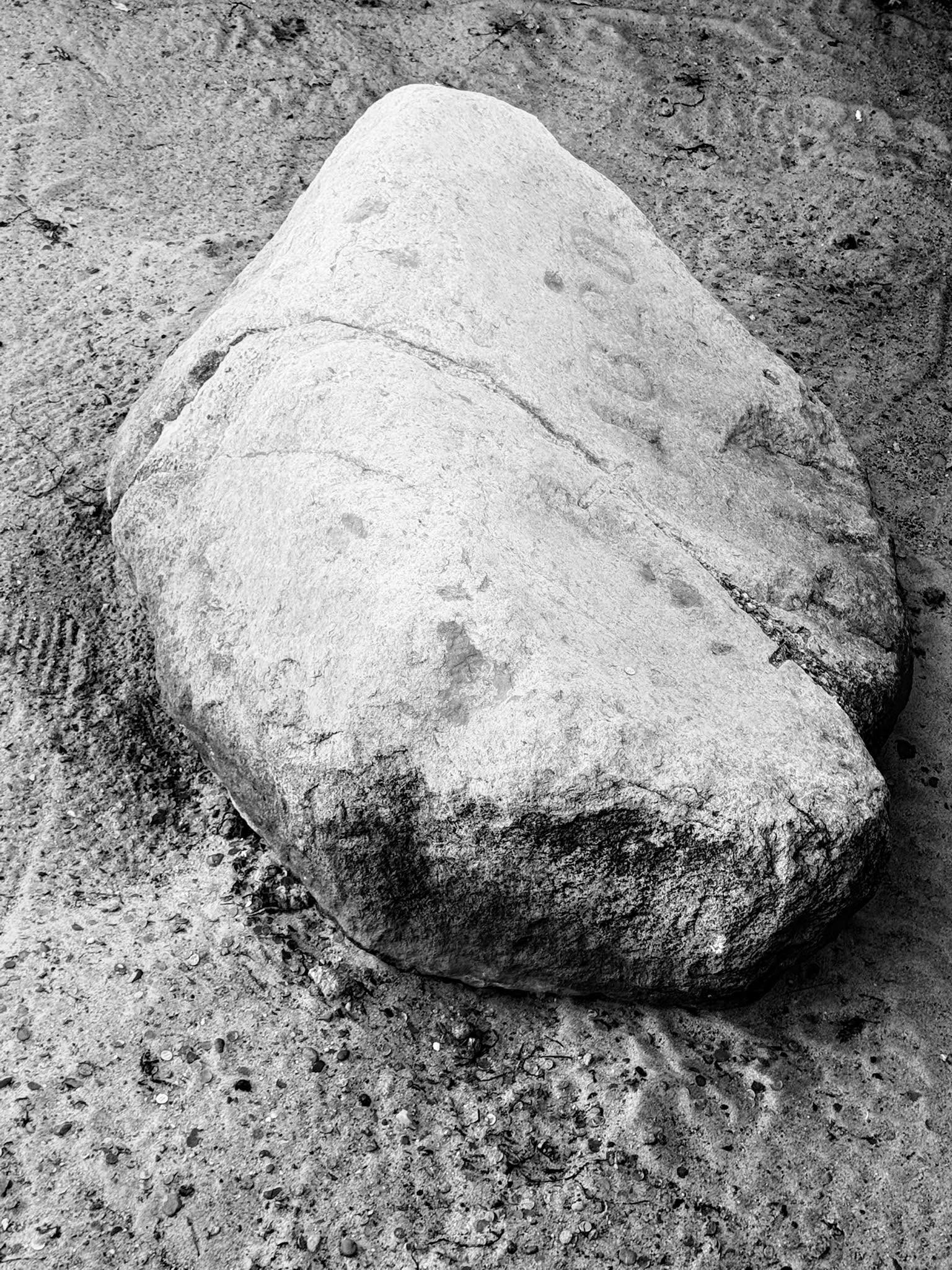
In 1774, as revolutionary fervor swept the colonies, townspeople tried to move the rock to the town square. It split in two during the process, creating what locals dubbed the “Mother Rock.” For close to a century, souvenir hunters chipped away at it, and a hammer and chisel were kept nearby for visitors eager to take home a fragment of the past.
In 1880, the two halves were finally reunited under a granite canopy near the waterfront. The date “1620,” once painted, was then carved into its face as a lasting emblem of its legend.
A Symbol Grows
Despite scant historical evidence linking the Pilgrims to the stone, its symbolic power only deepened. Plymouth Rock became a monument not just to the Pilgrims but to endurance, faith, and the American pursuit of freedom. It now rests beneath a neoclassical colonnade in Pilgrim Memorial State Park, drawing hundreds of thousands of visitors each year who come to glimpse the nation’s mythic beginnings.
Over the centuries, the rock has been admired and invoked by orators and U.S. Presidents alike. Frederick Douglass, in his 1852 address “What to the Slave Is the Fourth of July?”, contrasted the Pilgrims’ lofty ideals with the nation’s moral failures: “It is a grievous wrong to the Pilgrims and their principles to be interpreted by their oppressors.” Such reflections remind visitors that the rock speaks as much to conscience as to commemoration.
Humor, Tourists, and Modern Meaning
Today, Plymouth Rock has also become a site of tongue-in-cheek humor. Its reduced size—a result of centuries of weathering and chipping—often surprises visitors. Journalist Susan Spano of the Los Angeles Times joked that “the most fun people seem to have here is cracking jokes about its size.” A Boston Globe writer echoed the sentiment, calling the gentle laughter part of the attraction: “Half the joy of visiting Plymouth Rock is hearing the cheeky comments people make about its stature.”
Such playful commentary now forms part of the experience. The myth meets modern wit, and reverence blends with levity.
Legacy and Reflection
Over time, fragments of Plymouth Rock have found their way into museums across the country, often labeled with affidavits detailing the date and time they were chipped. Each piece serves as a small relic of the American imagination.
Cracked, chipped, and adored with affection, Plymouth Rock endures as more than a landmark. It represents a nation’s evolving idea of itself—a story both serious and self-aware. It reminds us that history, even when imperfectly remembered, continues to shape who we are.
The photograph accompanying this article, taken by Michael de la Force, captures the rock’s weathered face and its stately setting beneath the granite portico—an image that mirrors the persistence of its myth through the centuries.
LIKE Magazine — October 29, 2025
(Michael de la Force, LIKE® Magazine, 10.29.2025)
Source post: https://facebook.com/674873899/posts/pfbid02qEiNvVWAMarmNEoZGyoQSUuqYYuADFcZiG9SN8gobQwUZ6ijqDnBRr8vMDowWtWCl/