Recent research has illuminated the heart’s remarkable role beyond its well-known function as a pump. The heart generates the body’s most powerful electromagnetic field—over 100 times stronger than that produced by the brain—and this field can be detected up to three feet away from the body using sensitive instruments such as SQUID-based magnetometers. This discovery, first demonstrated through magnetocardiography in 1863 and later refined with advanced technology, has opened new avenues for understanding how the heart communicates both within the body and with the outside world.
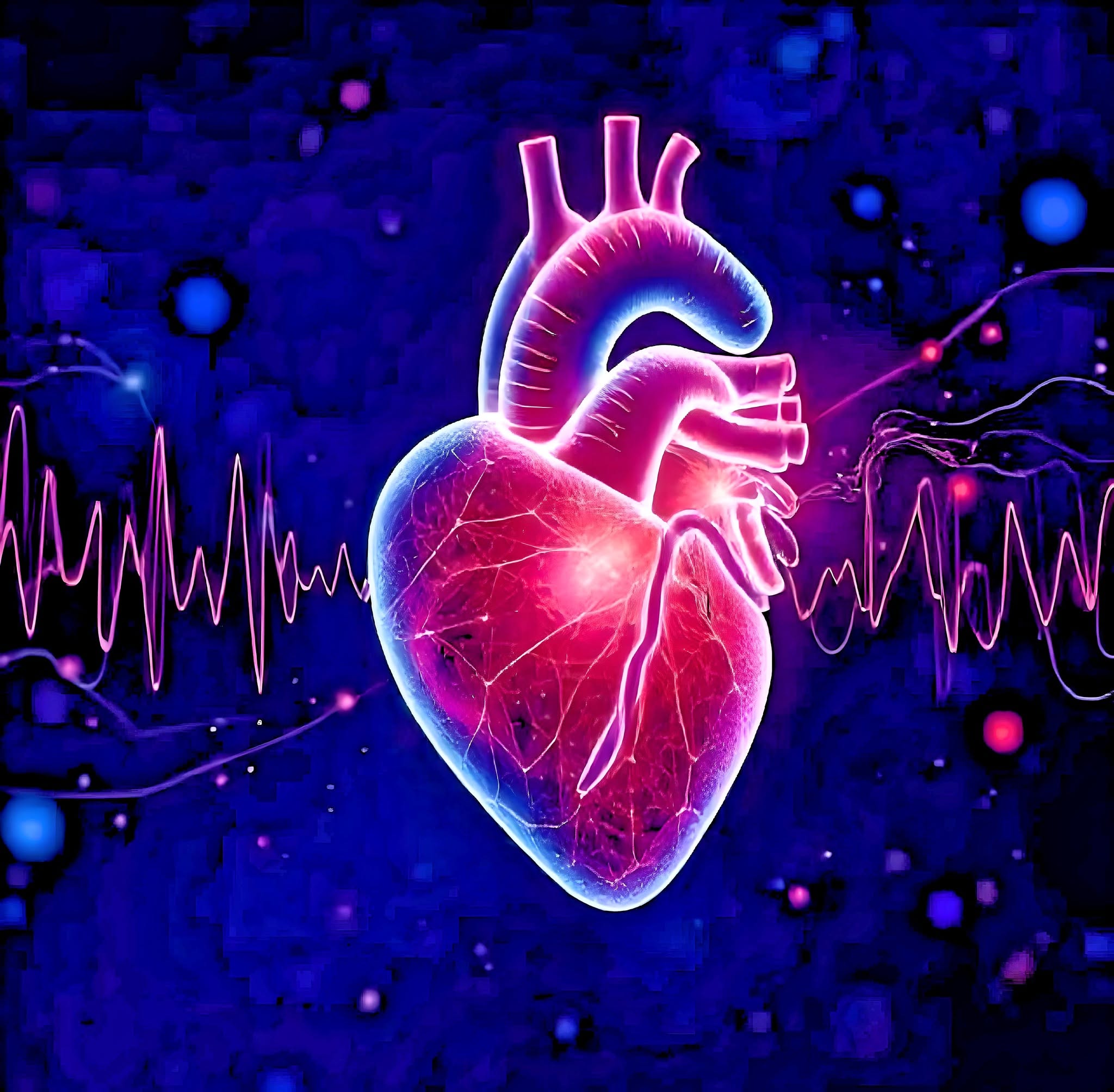
The heart’s electromagnetic field is not only detectable but also modulated by emotional states. Studies conducted by the HeartMath Institute reveal that positive emotions such as compassion and love create harmonious, coherent patterns in heart rhythms, which in turn enhance emotional regulation and resilience. These coherent rhythms are associated with improved mental clarity and stress management, supporting the idea that the heart’s activity is closely linked to well-being.
Moreover, the heart possesses its own intrinsic neural network, often called the “heart brain,” which communicates bidirectionally with the brain through neural, hormonal, and electromagnetic pathways. This communication is evidenced by the detection of heartbeat-evoked potentials in the brain, where changes in the brain’s electrical activity are synchronized with the heart’s rhythm. Research from the University of Arizona has shown that heart-focused attention increases heart-brain synchrony, suggesting an energetic mechanism for heart-brain communication.
Perhaps most intriguing is the evidence that the heart’s electromagnetic field may influence others nearby. Laboratory experiments have demonstrated that the brain rhythms of one individual can synchronize with the heart rhythms of another, even at conversational distances. This phenomenon, known as energetic or cardioelectromagnetic communication, suggests that the heart’s field can transmit information that affects the physiological and emotional states of those in close proximity.
Beyond emotional and social effects, the heart’s electromagnetic properties have potential therapeutic applications. Computational studies from the Indian Institute of Technology Bombay indicate that external magnetic fields can regulate blood flow in partially blocked arteries, reducing pressure fluctuations and stabilizing flow—findings that could inform new treatments for heart disease and hypertension. However, researchers caution that further clinical trials and safety evaluations are needed before these approaches can be widely adopted.
The heart’s powerful electromagnetic field, its own neural network, and its role in emotional regulation are reshaping our understanding of human biology, connection, and health. Leading institutions and researchers continue to explore these frontiers, revealing new dimensions of emotional intelligence and well-being supported by rigorous scientific evidence.
(Michael de la Force, LIKE® Magazine, 6.17.2025)
Source post: https://facebook.com/674873899/posts/pfbid02h4Qyy53rcBpNLfSqSHbeK75beLCXzVu2kyXit99geRtenUxMAXtWTUe4pPJJoUX9l/