Twenty-seven places around the world where a traveler can stay awhile — retreat houses, monasteries, ashrams, Quaker centers and intentional communities. Each entry tells you where it is, what tradition it stands in, how to book, what it costs, whether meals are included, who owns it, and the simple pleasure that makes it what it is.
All photographs below are license-free, published with their required credits. Prices carry the year they were verified; where a fact could not be verified, the entry says so plainly.
A SOJOURN BASE IN BURGUNDY
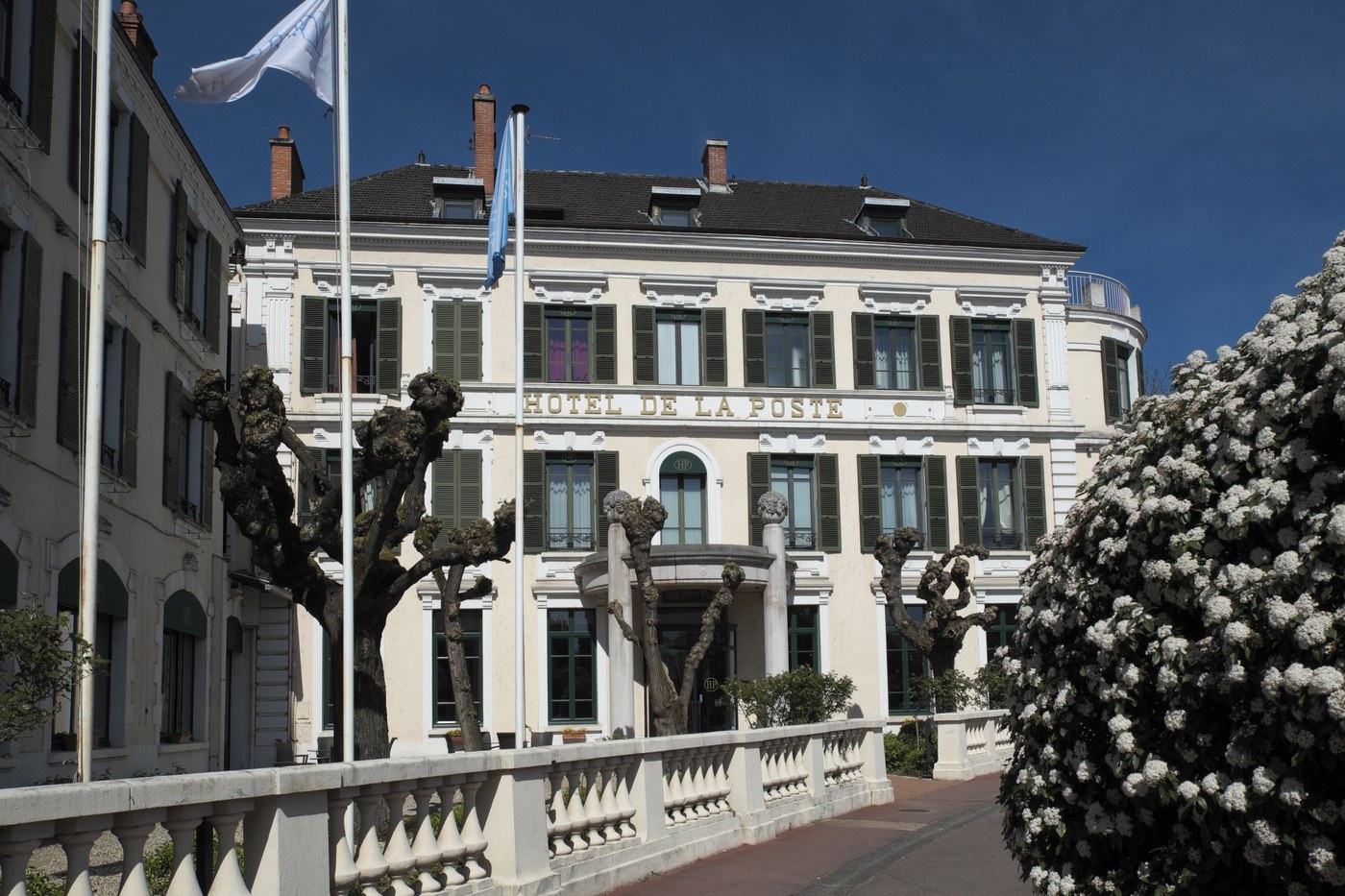
NAJETI HÔTEL DE LA POSTE
3–5 Boulevard Clémenceau, 21200 Beaune, Burgundy, France.
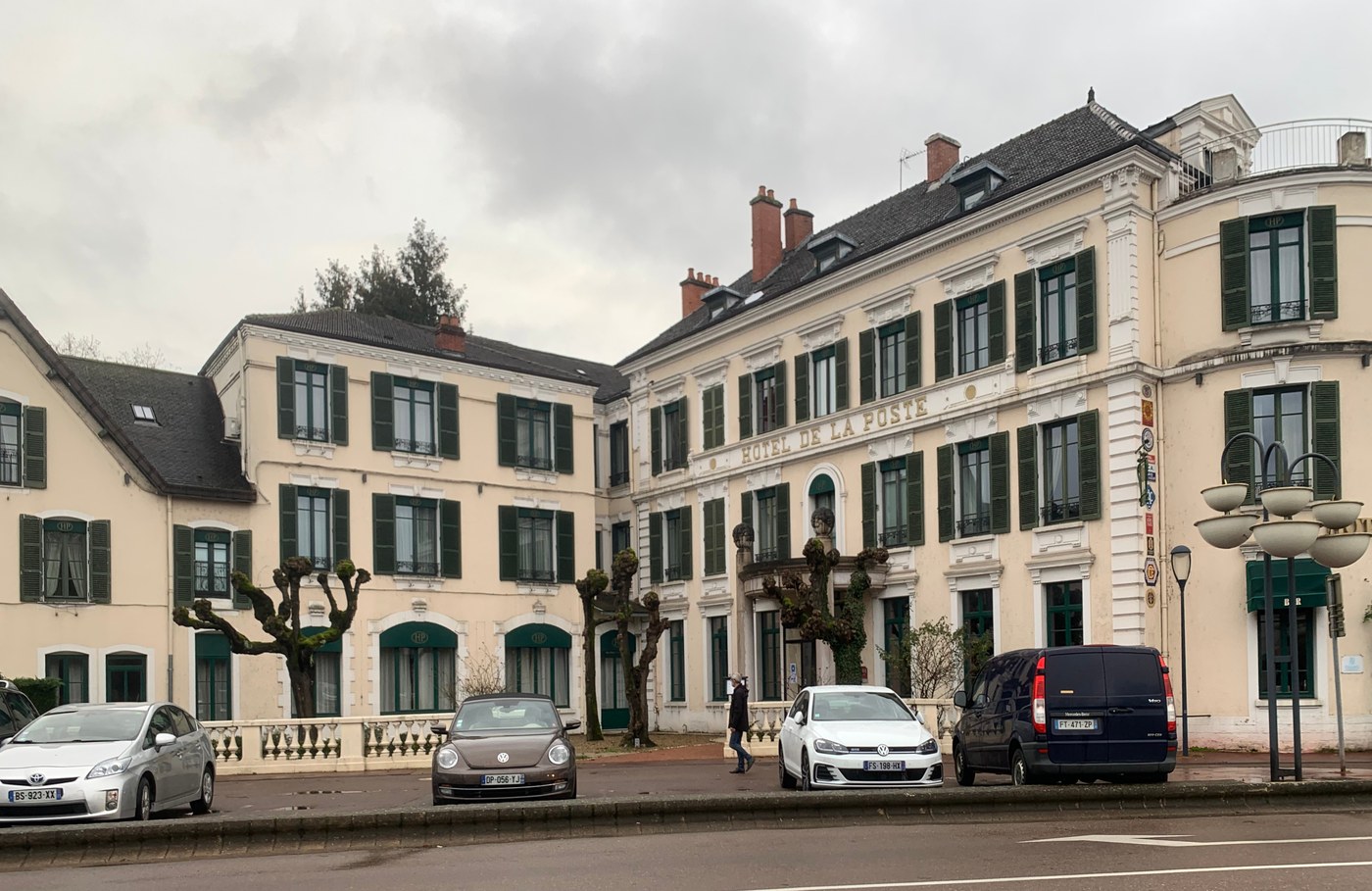
4-star hotel of 36 rooms + 3 apartments, with restaurant, bar, garden and seminar room; part of the Najeti Hôtels & Golfs Collection.
Tradition: None — secular commercial hotel (a quiet, well-located sojourn base rather than a faith retreat).
Welcome: Open to all guests.
How to visit: Online booking engine on the official site poste.najeti.fr; tel +33 3 80 22 08 11; email poste.hotel@najeti.com (2026, official site).
Cost: Business Room from €100/night (2026 — per the original briefing; NOT re-verified on the official site's rooms pages — flagged). Buffet breakfast €19.50; covered parking €20/night/vehicle (per briefing; Hotels.com/Expedia confirm breakfast and parking are extra-charge items, 2026). Pets €20/pet/night (Expedia, 2026). Monthly cooking class €95/person incl. lunch (2026, official site).
Meals: Extra charge. The restaurant is named "Le Bouillon" on the official site — CORRECTION to the brief's "Le Relais" (one homepage block also mentions "le Bistro"; the official site is internally inconsistent on the name — flagged). Breakfast is a buffet of homemade/local/organic products.
Fees or donations: Commercial fixed fees; no donation model.
Ownership: Owned by Najeti Hôtels & Golfs Collection, a family hotel group founded by Jean-Jacques Durand (story began 1990 with the Aa Saint-Omer Golf Club; the brand celebrated its 30th anniversary in 2025, i.e. brand founded ~1995; 12 hotels + 3 golf courses across France as of the 2026 Chantaco acquisition press release; HQ at Les Jardins de la Malassise, 62575 Blendecques).
Telephone: Tel +33 3 80 22 08 11.
Founded: Group founded ~1995 (1990 golf-club origin); the hotel's own opening year UNVERIFIED — flagged.
Architecture: Building history: not on the official site. Third-party booking aggregators describe it as a former 19th-century coaching inn, renovated 2008, and list a construction year of 1660 — the "1660" conflicts with "19th-century" and looks auto-generated — UNVERIFIED, flagged. VERIFIED: complete renovation closure 27 November 2023 – 15 April 2024 (official site). No heritage/listed status found.
“Post-renovation elegant calm a 5-minute walk from the Hospices de Beaune; garden under the trees, billiards in the bar salons, Burgundy wines in the cave.”
QUAKER CENTERS
POWELL HOUSE
524 Pitt Hall Road, Old Chatham, NY 12136, USA.
The Quaker conference and retreat center of New York Yearly Meeting; 57-acre campus with Pitt Hall and the Anna Curtis Center.
Tradition: Quaker — conference and retreat center of New York Yearly Meeting of the Religious Society of Friends.
Welcome: Programs for all ages; facilities also rented to family reunions, school retreats, church groups and small conferences (official homepage); short-term sojourners "are sometimes accommodated" (Wikipedia, citing official policy).
How to visit: Program registration and sojourn inquiries via powellhouse.org (dedicated page powellhouse.org/sojourning); tel +1 (518) 794-8811; info@powellhouse.org (2026, official site).
Cost: Personal sojourn: $120/night for one single or shared room, $30 per additional person in the room (higher in some seasons) — 2026, official sojourning page. Small-group sojourning (3+ adults / 2+ bedrooms): $140/person + $30 per shared-room person. Programs are sliding scale, e.g. "Resistance & Resilience 2026" weekend: Supporting $500 / Regular $350 / Standard Reduced $300 / Reduced $250 / Commuter $225 (meals included in program fees); scholarships available (2026, official site).
Meals: Sojourning "generally does not include meals" but meals are sometimes available by arrangement (2026, official site); programmed conferences include meals. Restaurants and cafés minutes away.
Fees or donations: Sliding-scale program fees + scholarship fund + solicited donations; fixed rates for sojourns.
Ownership: Owned by New York Yearly Meeting of the Religious Society of Friends (nonprofit religious organization; "Elsie K Powell House Inc" appears in NY state records).
Telephone: Tel +1 (518) 794-8811.
Founded: Residential property donated by Elsie K. Powell in 1960; the annual meeting established the retreat center on it (40th anniversary celebrated in 2000 → established 1960).
Architecture: Campus buildings: Pitt Hall (the original house) and the Anna Curtis Center, renovated 2008–2009 with solar panels, radiant-floor heating, expanded conference space and disability access (Wikipedia, citing official sources). ~57 acres. No heritage listing found.
“Quiet rural Columbia County campus built for personal reflection, re-centering and relaxation; 57 acres of natural beauty.”
PENDLE HILL
338 Plush Mill Road, Wallingford, PA 19086-6023, USA (Brinton House at 321 Plush Mill Road).
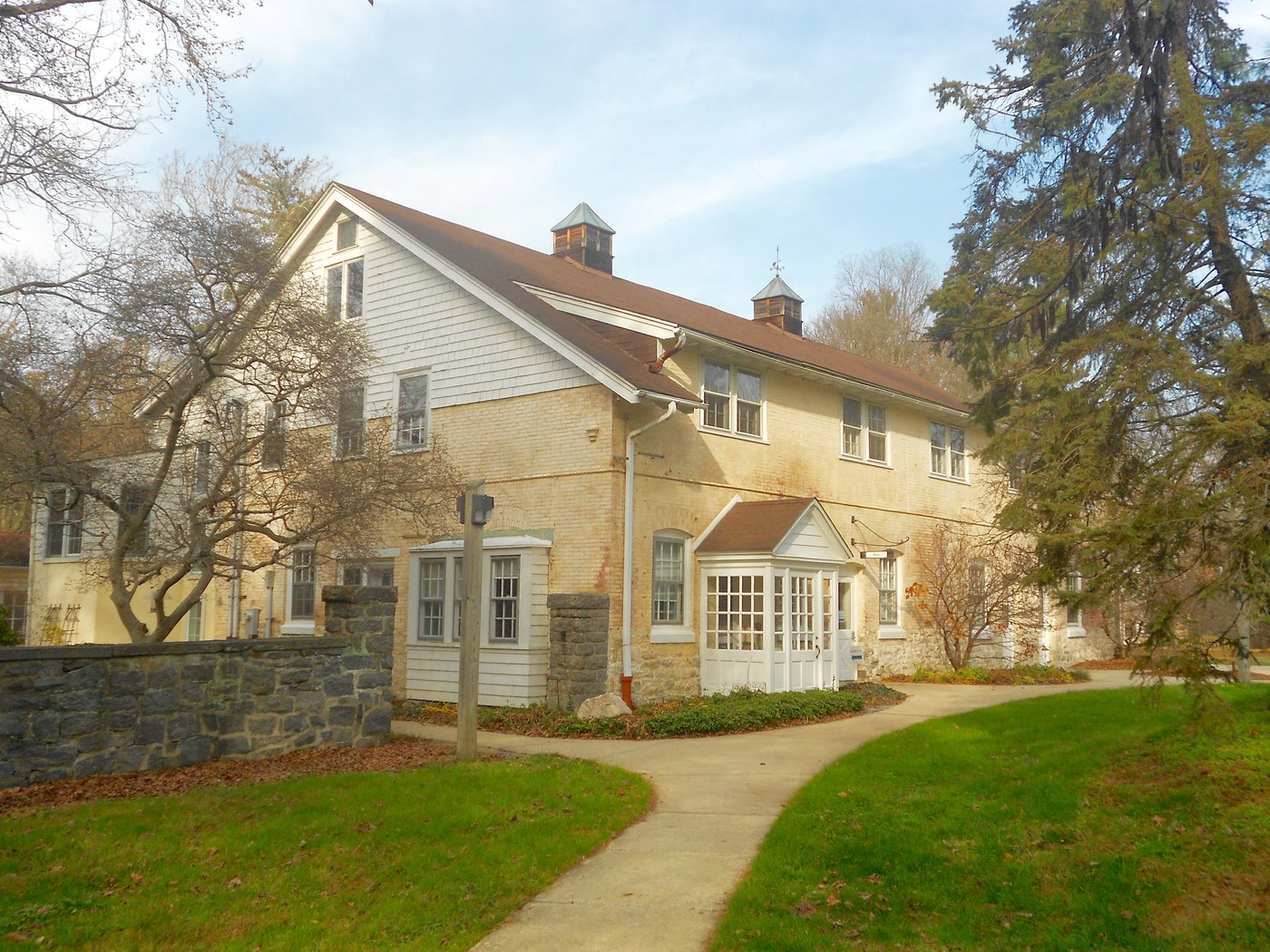
Quaker study, retreat, and conference center just outside Philadelphia, offering personal retreats/sojourns/sabbaticals plus workshops and seasonal programs.
Tradition: Quaker — Quaker study, retreat, and conference center.
Welcome: "Welcomes people of all spiritual paths" (official site, personal-retreats page, 2026).
Good to know: Morning half-hour open Quaker worship offered; silence-friendly, not silent-only.
How to visit: Online at pendlehill.org/personal-retreats/book-now ("Book Your Stay Online"); all overnight bookings at least 48 hours in advance (2026, official site). Tel +1 610-566-4507; toll-free 800-742-3150.
Cost: Nightly personal-retreat rate NOT published — not on the retreats page or booking landing page; rates are shown only inside the booking flow (runs on a retreat.guru platform). UNVERIFIED — flagged. Breakfast included; lunch and dinner extra charge (2026, official site).
Meals: Breakfast included (7:30–8:30am); lunch (12–1pm) and dinner (6–7pm) for an additional charge; homemade meals from local/organic ingredients, some from their own garden (2026, official site).
Fees or donations: Fixed fees for lodging/meals; workshop/program fees; nonprofit that solicits support.
Ownership: Nonprofit organization (places listing confirms "Nonprofit Organization").
Telephone: Tel +1 610-566-4507 / 800-742-3150.
Founded: Founded 1930.
Architecture: Building years/styles UNVERIFIED — flagged. Campus: main campus at 338 Plush Mill Rd + Brinton House at 321 Plush Mill Rd; 24 acres (some third-party listings say 23). No heritage listing found.
“24-acre grounds with a mile-long woodchip trail, ponds, gardens, 140 species of trees and flowering shrubs; comfortable room with bed and desk; daily silent meeting for worship 8:30–9:05am; 24-hour library; art studio ($10/day pass).”
WOODBROOKE
1046 Bristol Road, Selly Oak, Birmingham B29 6LJ, UK — the Selly Oak conference facility closed to the public for the last time on 31 October 2023; custodianship of the building transferred to Bournville Village Trust. Woodbrooke the organisation continues, now operating from offices at Fircroft College of Adult Education, 1018 Bristol Road, Selly Oak, offering online courses plus distributed in-person events. The 2018 "B&B from £50/person" brochure and third-party hotel listings (from ~$107/night) are STALE — the residential operation no longer exists.
Note: site closed to the public.
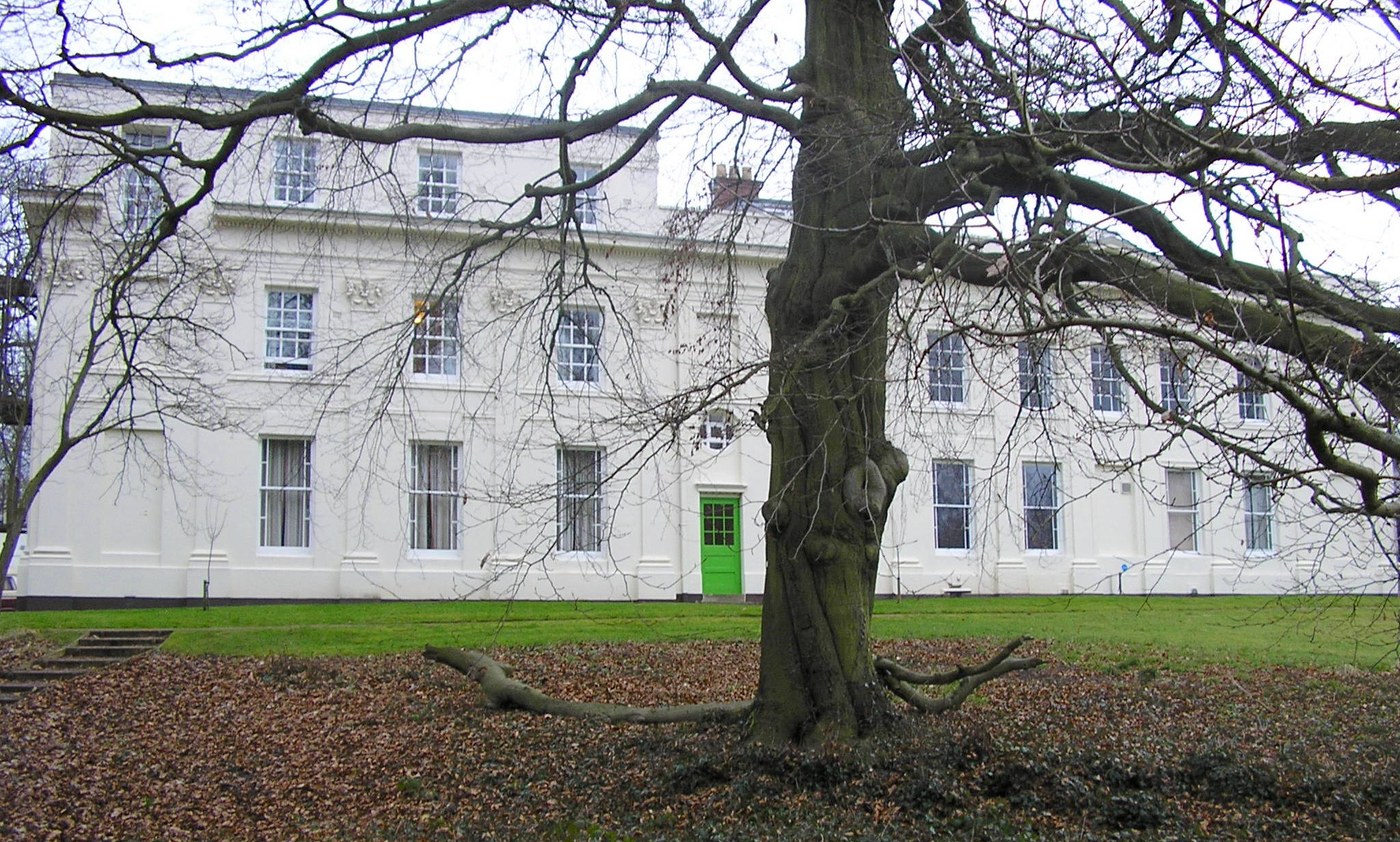
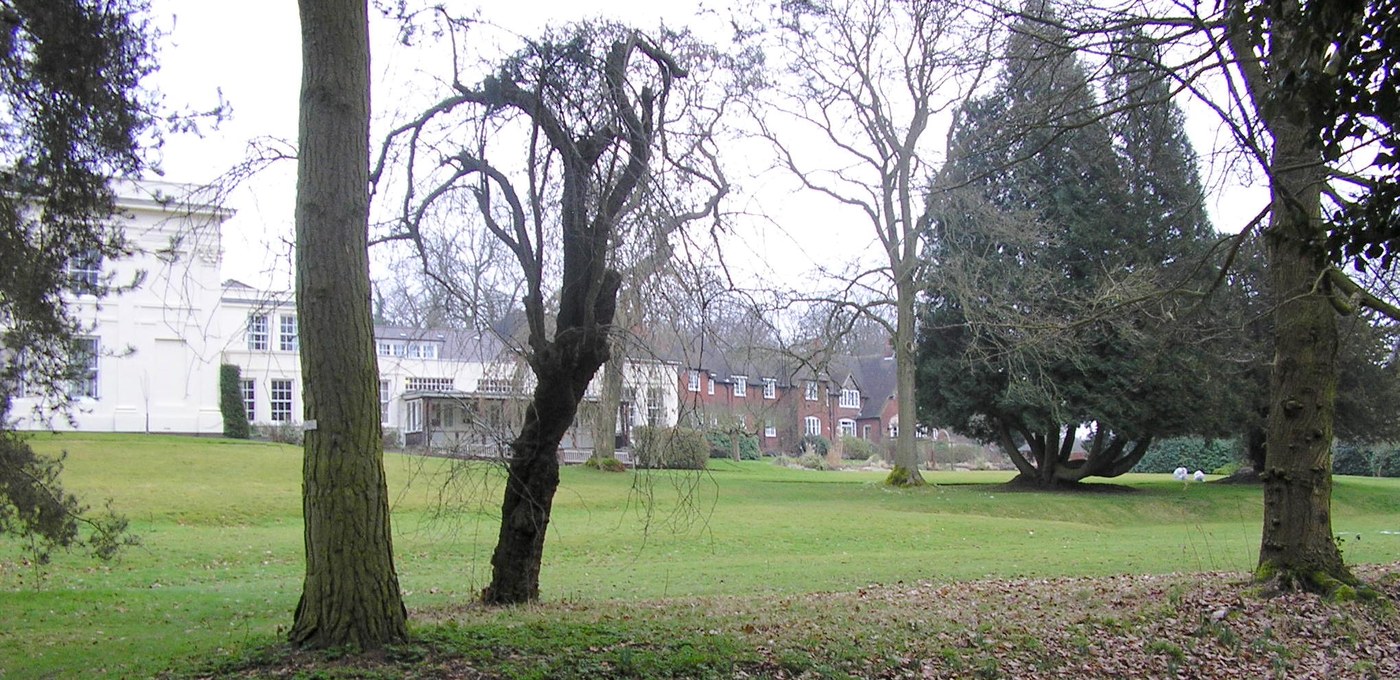
Woodbrooke Quaker Learning & Research — Quaker learning, worship and research (Centre for Research in Quaker Studies; postgraduate degrees with the University of Birmingham).
Tradition: Quaker — international Quaker learning and research organisation.
Welcome: Learning programmes "rooted in the Quaker tradition and open to all" (official site).
Good to know: None currently applicable (the site was alcohol-free while operating as a conference centre — historical note only).
How to visit: Courses and events via woodbrooke.org.uk; no on-site B&B or conference accommodation to book anymore (2026).
Cost: No residential rates (site closed); course fees vary by programme.
Meals: n/a (while operating: cooked buffet breakfast included; lunch/evening meals by 24h notice — historical).
Fees or donations: Registered charity (donations accepted); course fees.
Minimum stay: n/a.
Ownership: Legal entity: Woodbrooke Quaker Study Centre, registered charity (England & Wales no. 313816; Charity Commission accounts 2019). The freehold title was held by Friends Trusts Limited on trust for the charity. Trading arm Woodbrooke Quaker Centre Limited (incorporated 28 Dec 2000) was DISSOLVED 8 July 2025 (Companies House).
Telephone: Tel 0121 472 5171 (long-standing published number — possibly dated since the 2023 closure; current site lists the Fircroft College office — flagged).
Founded: Founded 1903 by George Cadbury (Quaker chocolatier), who donated one of his former properties on Bristol Road; the only Quaker study centre in Europe.
Architecture: Grade II listed — confirmed via Birmingham City Council listed-building-consent records for 1046 Bristol Road and the 2019 charity accounts ("a Grade 2 Listed property that is nearly 190 years old" → building dates to ~1830). Extended 1907–1914 (new wing, new common room, Holland House men's hostel). Original architect UNVERIFIED — flagged. 10-acre site.
“Historic note: former home of George Cadbury in 10 acres of organically-managed gardens; alumni include American suffragist Alice Paul and German resistance social worker Gertrud Luckner.”
CHRISTIAN HOUSES OF PRAYER
TAIZÉ COMMUNITY
Taizé, Saône-et-Loire, Burgundy, France (postal: Taizé-Community, 71250 Cluny).
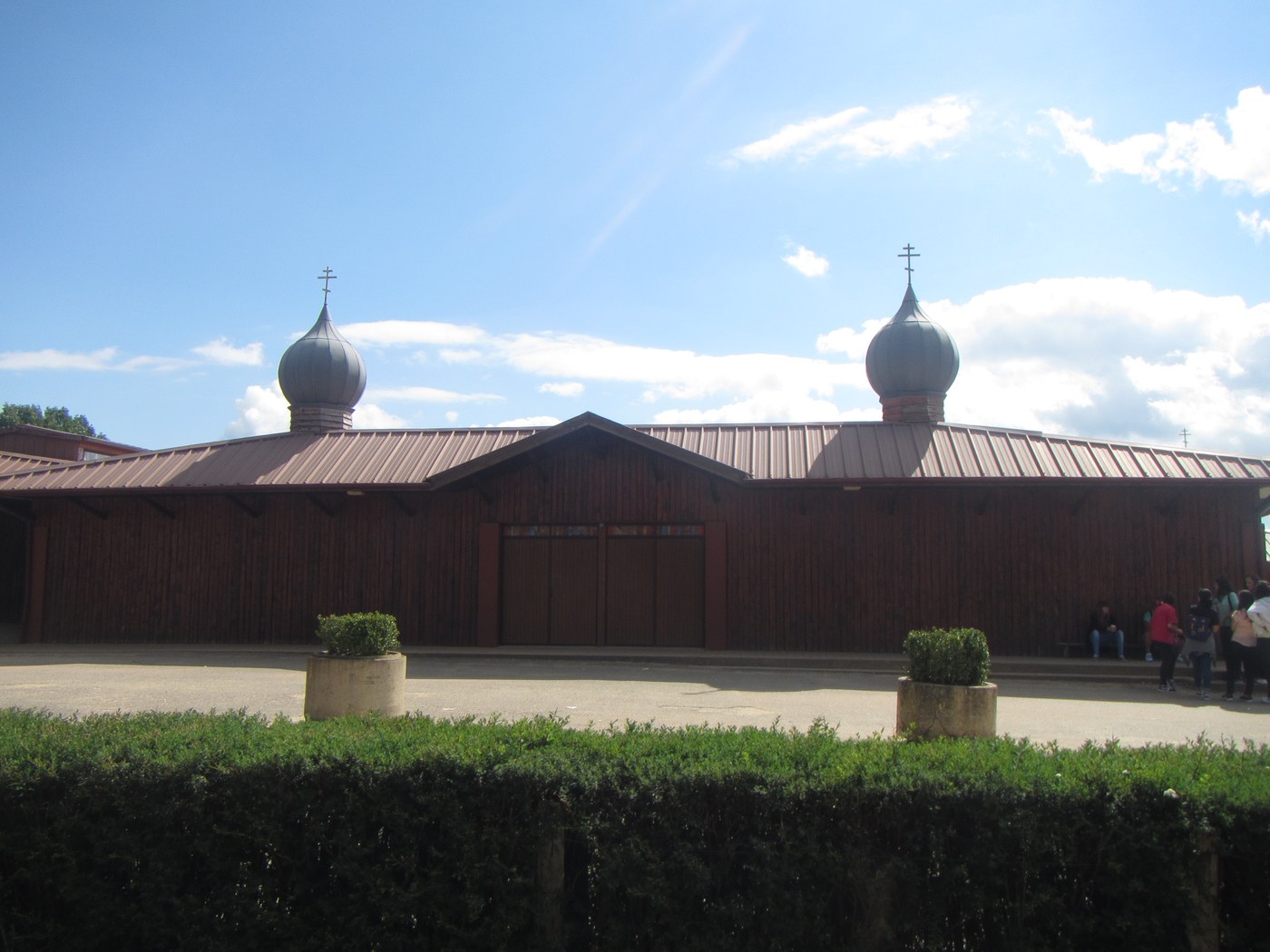
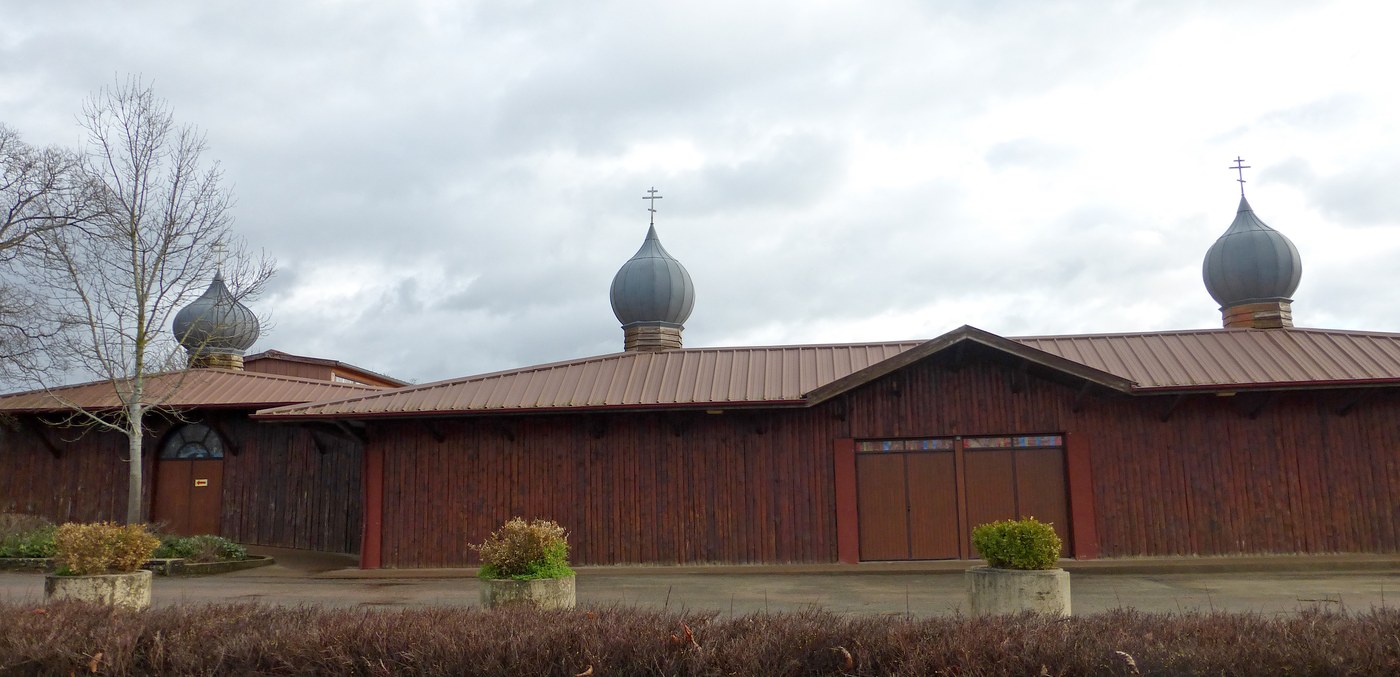
Ecumenical Christian community founded 1940 by Brother Roger (Roger Schutz); one of the world's major Christian pilgrimage sites for youth (over 100,000 young visitors a year in normal times); a place of prayer, song, silence, personal reflection and sharing.
Tradition: Ecumenical Christian — community of brothers from different Christian denominations and countries, devoted to reconciliation between Christians.
Welcome: Main weekly gatherings are for young people aged 17–29 (some diocesan groups accept 15+); adults over 30/35 are welcome at separate weeks and for silent retreats/weekends (may come once a year if not leading a youth group); families with children at specific weeks in the separate Olinda house (Ameugny). Must arrange in advance — "do not just show up" (official site; safeguarding policy).
Good to know: Simple monastic-style communal living — shared dormitories or camping; participants take part in daily practical tasks (serving meals, cleaning); three daily prayer services with the signature Taizé chants and extended silence.
How to visit: Register in advance via taize.fr (online registration); weeks run Sunday to Sunday. Note: taize.fr was unreachable from this research session, so current practical/pricing pages could not be verified — flagged.
Cost: NOT verified on the official site. Per dated visitor reports: youth contribution roughly €50–60/week; adults roughly €300–400/couple/week. The community presents its meetings as self-supporting (no financial aid from any organisation) with contributions covering meals/equipment plus a solidarity fund — exact current figures UNVERIFIED, flagged.
Meals: Simple meals included in the contribution — typically a roll with butter/jam or chocolate for breakfast, simple lunch and dinner; portions plain and limited (visitor reports).
Fees or donations: Contribution-based (not fixed commercial fees): participants contribute toward costs in their own currency, with a solidarity fund; those who wish may contribute more.
Minimum stay: Weekly gatherings run Sunday to Sunday (arriving Sunday matters for the week pattern); weekend stays (Thursday/Friday to Sunday) possible for adults; longer stays as volunteers.
Ownership: Legal structure of the community UNVERIFIED — flagged (operates as a religious community of brothers; no published legal-entity name confirmed).
Telephone: Telephone: +33 85 50 14 14 per a 1987 community document — dated, flagged; current number UNVERIFIED.
Founded: Founded 1940 by Brother Roger (welcomed Jewish refugees 1940–42; returned 1944 with the first brothers).
Architecture: Church of Reconciliation opened 6 August 1962 (Wikimedia Commons; Ship of Fools), designed by Brother Denis, an architect and member of the community; built by young German volunteers from Action Reconciliation Service for Peace (Aktion Sühnezeichen) as a sign of Franco-German reconciliation; later extended by removing the back wall and attaching a large tent because the church held only ~2,000. No heritage listing found.
“Candle-lit evening prayer in the Church of Reconciliation with brothers in hooded cloaks and thousands of voices in Taizé chant; long communal silences; rolling Burgundy countryside; an international, multilingual youth community.”
IONA COMMUNITY / IONA ABBEY
Isle of Iona, Inner Hebrides, Scotland, UK.
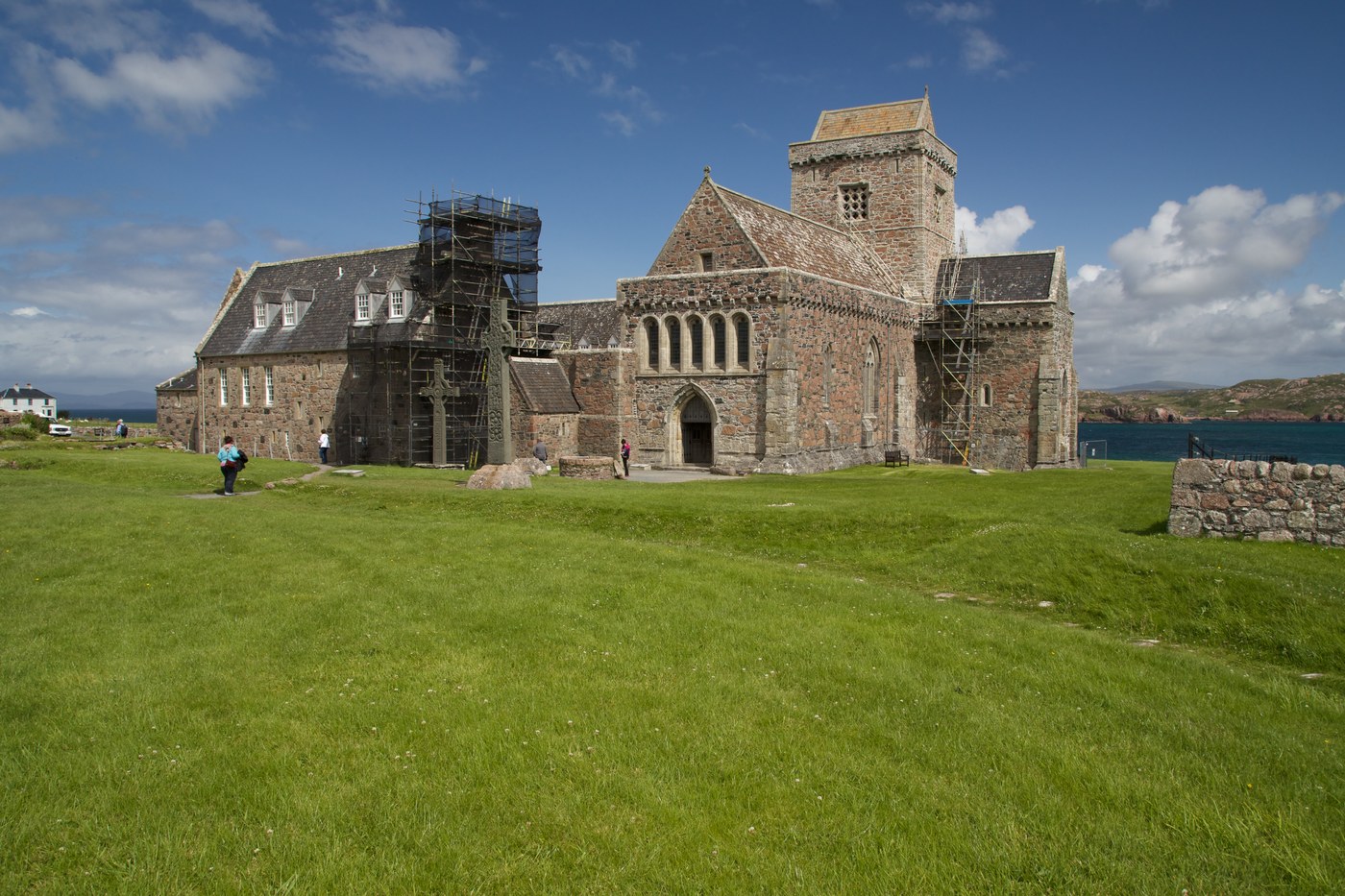
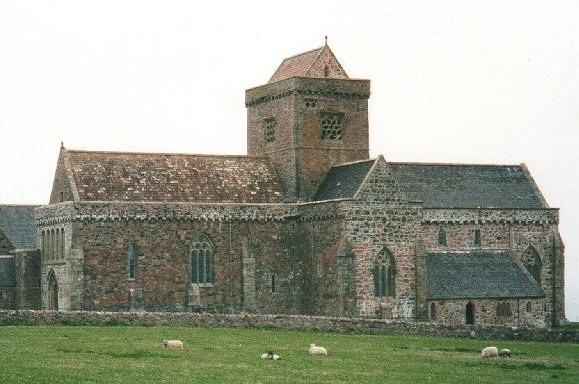
Guest weeks at Iona Abbey run by the Iona Community — week-long themed programmes; guests share in community life (worship, meals, work).
Tradition: Ecumenical Christian (dispersed community of men and women from different traditions in the Church).
Welcome: Open to all — "people of goodwill" regardless of tradition; children welcome (cots, highchairs provided; under-5s free; families of four share one room). Reduced-rate access aimed at low-income UK residents.
Good to know: Guests share in community life including worship and practical work; themed programme weeks; separate "Stillness in Community" weeks with no programme for quiet staying; 21 guest rooms (single/twin/triple/family, some accessible); guests may be asked to share a room.
How to visit: Online via iona.org.uk (booking links in each 2026/2027 programme item); groups of 8+: abbeybooking@iona.org.uk; tel +44 1681 700404. 20% non-refundable deposit; full balance due 6 weeks before start.
Meals: Full board included — breakfast, lunch and dinner daily (Sat evening to Fri morning); primarily vegetarian with one optional meat meal per week; most dietary requirements catered if advised in advance.
Fees or donations: Fixed fees, with 50% reduced rates for eligible UK residents (students, state benefit/pension recipients, below real living wage, homeless, refugees, asylum seekers), an Access Fund for further subsidies, and a 15% family discount (4+ with adults paying full price). Optional donations to the Access Fund invited.
Minimum stay: Standard programme weeks run Saturday to Friday (6 nights); Flexible Stays minimum 2 nights (Sat–Thu only; closed Friday evenings).
Ownership: The Iona Community — Scottish company (Company No. SC096243) and registered Scottish charity (SC003794, OSCR, active).
Telephone: Tel +44 1681 700404.
Founded: Community founded 1938 by Rev. George MacLeod.
Architecture: Abbey: St Columba founded the monastery in 563 (with twelve companions from Ireland); a Benedictine abbey was founded here c.1200 (widely documented — not verified on iona.org.uk today, flagged); ruins restored/rebuilt in the 20th century by the Iona Community under MacLeod (rebuild commonly recorded as completed 1965 — flagged as not verified on the official site today).
“Morning worship in the Abbey, evening ceilidhs and guided walks on an island Christians have sought for 1,400 years, meals eaten communally in the refectory.”
MONASTERO DI BOSE (MONASTERY OF BOSE)
Cascina Bose 6, 13887 Magnano (Biella), Piedmont, Italy.
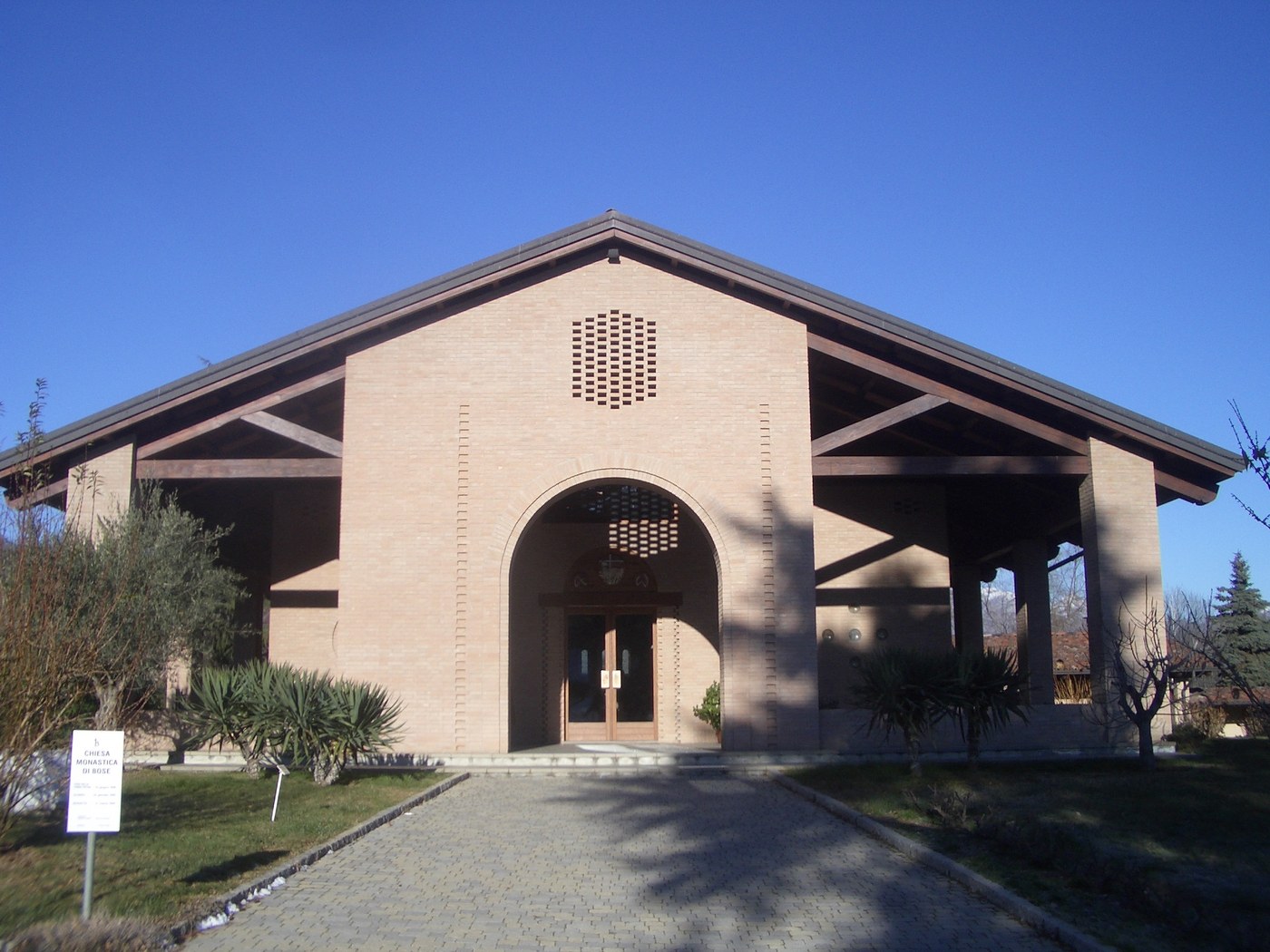
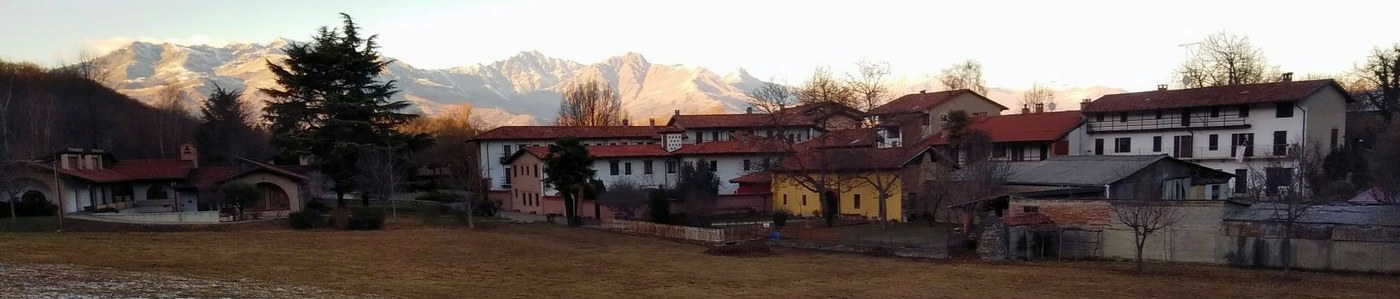
Ecumenical monastic community of monks and nuns from different Christian churches (Catholic majority, also Protestant and Orthodox); guests welcome for hospitality stays and biblical/spiritual weeks.
Tradition: Ecumenical Christian (canonically Catholic diocesan; monks and nuns of several Christian confessions).
Welcome: Explicitly open to all — "un luogo di accoglienza aperto a tutti"; the free-will model is stated to ensure no guest is excluded for economic reasons. Scout groups (novitiates, clans) also hosted in a dedicated area.
Good to know: Silence-centered monastic rhythm (liturgy of the hours: lauds, vespers, compline; "grande silenzio" from 20:30); retreat meals in silence; no camper parking on site; rooms single/double/multi-bed with private or shared bathrooms.
How to visit: TELEPHONE ONLY — "Per prenotare chiediamo di telefonare. Non si accettano prenotazioni via email o via fax." Biblical and spirituality weeks require advance booking and full attendance for the whole course (no partial participation). Guests advised to bring Bible, sheets/sleeping bag, pillowcase, towels. Tel +39 015 679 185.
Cost: No set fee. Official policy: "Per le spese dell'ospitalità chiediamo a ciascuno di partecipare liberamente nella misura delle sue possibilità" — each guest contributes freely toward hospitality costs according to their means. (Translated from the official site; the page carries no prices.)
Meals: Communal meals with the community; during retreats/courses meals are taken in silence. The community lives solely from the work of its members and receives no outside funding.
Fees or donations: Pure donation / free-will offering — no fixed price, no deposit requested ("Non obbligateci a fissare caparre di iscrizione!").
Minimum stay: None — "È possibile soggiornare come ospite per una giornata o più giorni" (a day or more, weekdays or weekends, individually or in groups).
Ownership: Canonically a private association of the faithful (associazione privata di fedeli) recognized in the Diocese of Biella in 2000; now a monastery sui iuris of diocesan right under the Bishop of Biella, with new constitutions approved 29 July 2023 (per Italian Wikipedia — flagged: not verified on the community's own site).
Telephone: Tel +39 015 679 185.
Founded: Founded 8 December 1965 by Enzo Bianchi (began living alone in a rented house in Bose; first companions arrived 1968).
Architecture: Modern monastery buildings — year and architect of the church UNVERIFIED on official or reputable sources; flagged.
“The quiet of the Serra di Ivrea hills in the low season (Feb, Mar, Nov, Dec recommended as especially silent), prayer sung morning, noon and evening, communal table.”
MOUNT ATHOS
Mount Athos peninsula, Halkidiki, northeastern Greece.
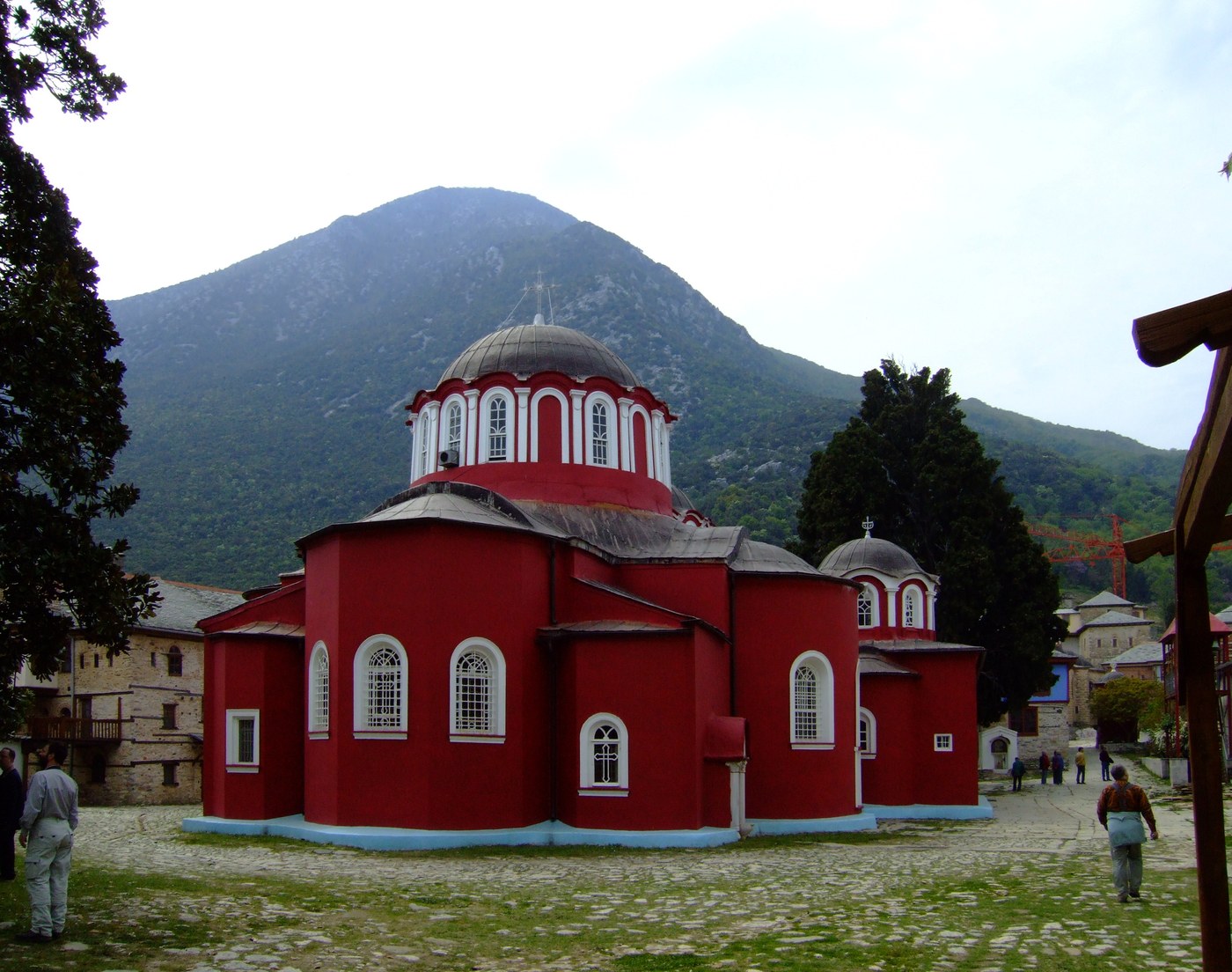
Self-governing Orthodox monastic republic with 20 sovereign monasteries; male pilgrims visit with a diamonitirion (entry permit).
Tradition: Eastern Orthodox Christianity.
Welcome: MEN ONLY — 18 and over (under-18s only with their father). Women are strictly prohibited from entering, the rule of the avaton, enforced by Greek law; by tradition this applies to female animals too. Entry quota: 100 Orthodox + 10 non-Orthodox per day on the general diamonitirion; a private/invitation diamonitirion from a specific monastery bypasses the quota.
Good to know: No video cameras anywhere; still photography of monks/icons only with the abbot's blessing (evlogia); dress modestly; sea bathing officially forbidden; hot water rare; early starts; expect services at dawn.
How to visit: Apply 3–6 months ahead to the Pilgrims' Bureau in Thessaloniki: email athosreservation@gmail.com with passport scan/details + intended entry dates (email procedure in use since 2014); tel +30 2310 252578 (office: 109 Egnatias St, Thessaloniki; open Mon–Sat 9:00–13:00 per older published info). The permit must be collected IN PERSON at the Pilgrims' Bureau office in Ouranoupolis on the morning of entry; book beds separately with each monastery in advance (most require advance reservation by phone/email).
Cost: Permit fee: €25 for Orthodox / €30 for non-Orthodox (halkidiki.guide, crawled Oct 2026); an older source listed €35/€25/€18 — figures vary by source, flagged. Ferry ticket Ouranoupolis–Daphni extra. Monastery hospitality: free — bed and meals provided by the monastery; donations accepted. (Cost year: 2025/2026.)
Meals: Included with monastery hospitality — simple monastic refectory meals, received as part of the stay.
Fees or donations: Fixed permit fee + free monastery hospitality with voluntary donations (monasteries "do not charge for their hospitality, however donations are accepted").
Minimum stay: The diamonitirion is valid for 4 days / 3 nights; extensions can be requested from the Holy Community in Karyes (permission "generally not withheld" with a good reason).
Ownership: Self-governing monastic state under the spiritual jurisdiction of the Ecumenical Patriarchate of Constantinople, administered by the Holy Community (Iera Koinotita) at Karyes; recognized as self-governed by the Greek constitution.
Telephone: Thessaloniki Pilgrims' Office tel +30 2310 252578 / 2310 252575; email athosreservation@gmail.com.
Founded: Monastic republic founded 963 with the Great Lavra by St Athanasius.
Architecture: UNESCO World Heritage Site (Mount Athos). 20 sovereign monasteries; dormitories typically limit stays to 3 nights.
“Walking the footpaths between cliff-hung monasteries through chestnut forest, night services by candlelight, rooms "spotlessly clean but basic.”
ABBEY OF OUR LADY OF GETHSEMANI
Trappist, Kentucky, USA (3642 Monks Road, near Bardstown, Nelson County).
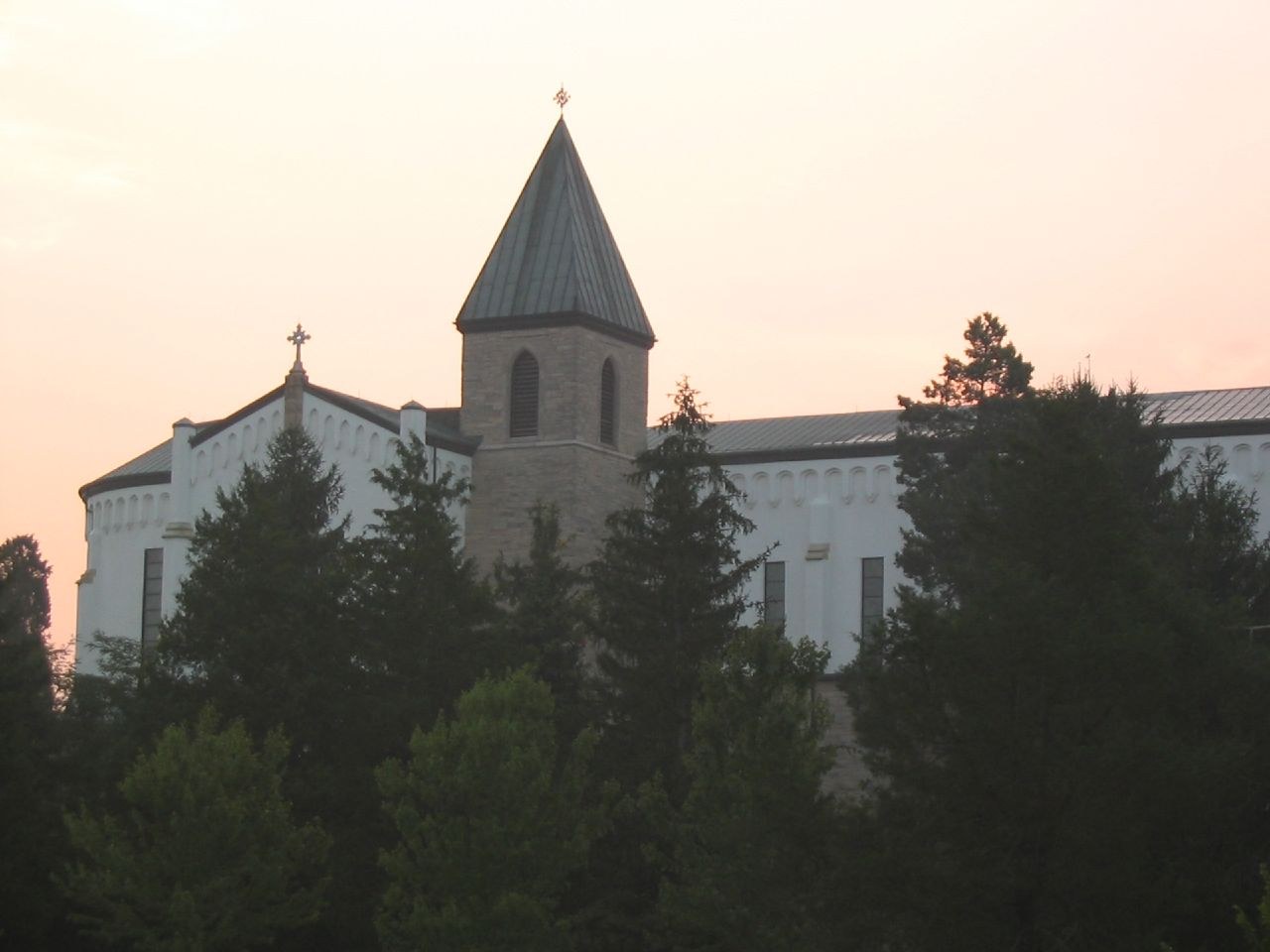
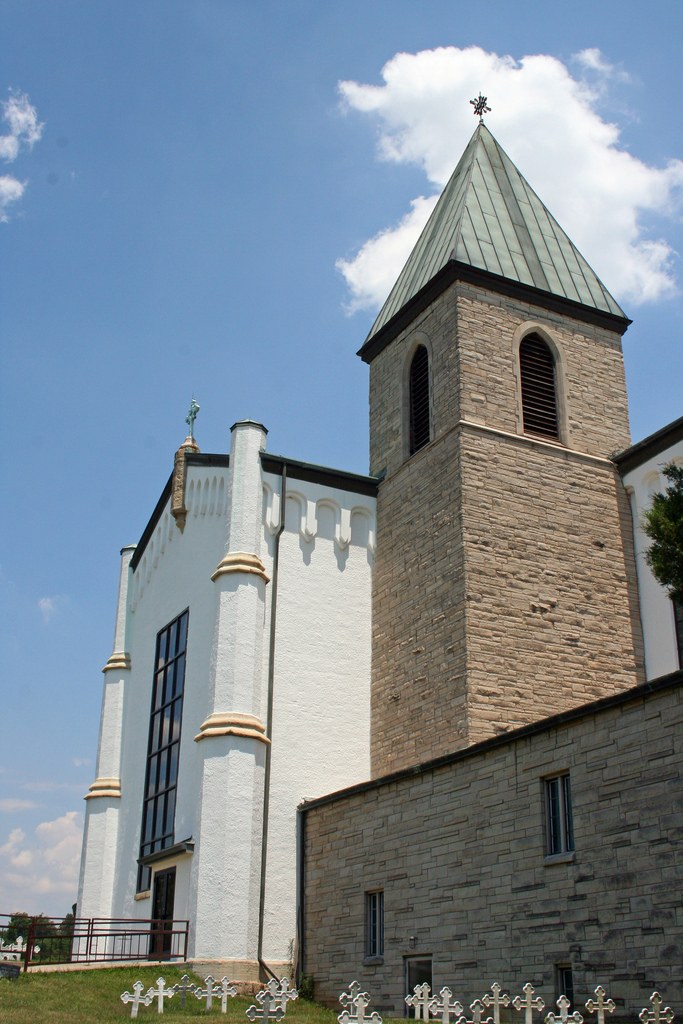
Working Trappist monastery (2,000-acre farm) offering silent, unstructured, self-guided individual retreats in its guesthouse; guests may join the monks at Eucharist and the Liturgy of the Hours.
Tradition: Roman Catholic — Order of Cistercians of the Strict Observance (Trappists), following the Rule of Saint Benedict.
Welcome: Men and women of all faiths; minimum age 18 (under 18 only with an adult).
Good to know: Retreat silence observed (speaking only in designated areas); no fixed fee — freewill offerings; the kitchen cannot accommodate special diets; all buildings smoke-free; pets not allowed in the retreat house; groups usually not accommodated.
How to visit: Check availability by emailing full name, address, phone and dates to reservations@monks.org, or call +1 502-549-4133 (retreat office hours Mon–Fri 8 am–noon ET). Reservations accepted no more than four months in advance; retreats begin Monday or Friday afternoons (check-in 2–6 pm, rooms vacated by 8 am on departure day).
Cost: Offerings are on a freewill basis — no fixed per-night amount is published by the abbey (2026). Offerings accepted by cash, check, credit card or online.
Meals: Included — monks prepare meals for both community and retreatants (three meals/day); monks eat no meat but meat is served to guests several times per week; special diets cannot be accommodated.
Fees or donations: Pure freewill offering — stated as "essential for operating the guesthouse".
Minimum stay: Weekday retreats minimum 3 nights; weekend retreats minimum 2 nights. Maximum: one person may not take more than one weekday retreat and one weekend retreat in any calendar year.
Ownership: Order of Cistercians of the Strict Observance (Ordo Cisterciensis Strictioris Observantiae); oldest operating Trappist monastery in the US; motherhouse of US Trappist/Trappistine monasteries.
Telephone: Tel +1 502-549-4133 (retreat reservations; monks.org retreats page).
Founded: Founded 21 December 1848 (by Dom Eutropius Proust and French monks from Melleray Abbey); raised to an abbey 1851.
Architecture: Construction of the three-storey monastery and abbatial church began October 1852, designed by architect William Keely in Neo-Gothic style (modeled on Melleray Abbey; brick walls made on site, Indiana limestone foundation, steeple added later). Guesthouse: 30 rooms (all private baths/showers; 5 with two beds; several accessible) plus a 10-single-room men's wing inside the monastic enclosure. Thomas Merton lived at Gethsemani 1941–1968 (died Dec 10, 1968 near Bangkok) and is buried in the abbey cemetery — verified.
“1,500 acres of trails across the road; silent days ordered by the monastic prayer hours; Thomas Merton's grave in the monks' cemetery.”
L'ABRI FELLOWSHIP, HUÉMOZ
Huémoz-sur-Ollon (Huémoz), above Ollon, Vaud, Switzerland.
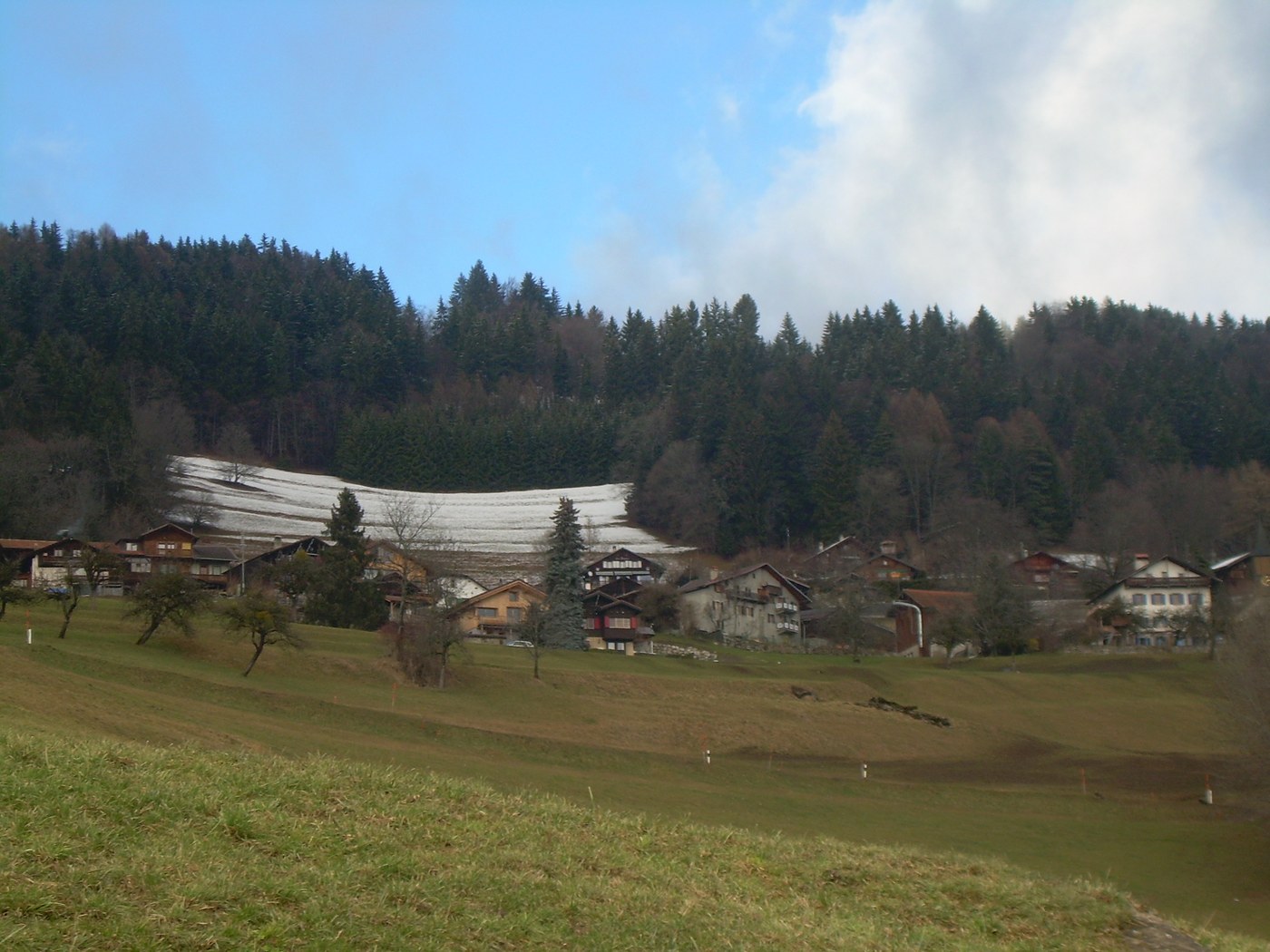
Residential Christian study community where students combine self-directed study (library, lectures, tutoring) with practical community work and communal meals; the founding and flagship branch of ~10 L'Abri communities worldwide.
Tradition: Evangelical Christian study community (founded by Francis and Edith Schaeffer).
Welcome: "We welcome all who walk through the door, from any faith or background" — students span a wide range of ages and faith backgrounds, including non-Christians with honest questions.
Good to know: Intentionally low-tech (laptops stored in a locked cabinet during the week; phones restricted to designated tech zones); 2–3 hours/day of practical work is part of the rhythm; student rooms are gender-separated; married couples and (limited) families accommodated.
How to visit: Reservation request via the form on the Swiss L'Abri reservations page (swisslabri.org). Three residential terms per year only — no accommodation between terms. 2026 terms: Winter Jan 8–Apr 6; Summer May 14–Aug 10; Fall Sep 10–Dec 7 (each ~88 nights).
Cost: Fee not published on swisslabri.org — UNVERIFIED, flagged. No 2026 per-term or per-night figure could be verified from the official site or reputable sources.
Meals: Included in community life — three meals/day shared in Chalet Bellevue (breakfast 8 am, dinner 6:30 pm) or in smaller groups in workers' chalets (lunch 1 pm, often with guided discussion); prepared by students on rotation.
Fees or donations: UNVERIFIED — L'Abri describes itself as a non-profit that "does not actively raise funds"; students pay a fee for room and board (amount not published) — flagged.
Minimum stay: A full term (~10–13 weeks) recommended; 3–4 weeks workable; shorter visits welcome with a recommended minimum of one week and an absolute minimum of 3 nights.
Ownership: UNVERIFIED — L'Abri describes itself as a non-profit; "L'Abri Fellowship Foundation" appears on US-branch nonprofit documents, but the Swiss branch's legal entity is not verified — flagged.
Telephone: Telephone UNVERIFIED — no official phone number found on swisslabri.org public pages — flagged.
Founded: Founded 5 June 1955 by Francis and Edith Schaeffer, who opened their Huémoz home as a ministry to curious travelers.
Architecture: The community owns and operates several chalets in Huémoz — Chalet Bellevue (primary student accommodation, 11 rooms sleeping 2–4), Farel House (library), workers' chalets (small-group lunches), Chalet Les Mélèzes (named in site photography). Building construction dates and full chalet history UNVERIFIED — flagged.
“Alpine village life above the Rhône valley; wood-stove library (Farel House) with big-window mountain views; unhurried communal meals and trail walks.”
BUDDHIST AND MEDITATION RETREATS
PLUM VILLAGE
Upper Hamlet, Thénac (Dordogne); Lower Hamlet, Loubès-Bernac (Lot-et-Garonne); New Hamlet, Dieulivol (Gironde) — southwestern France.
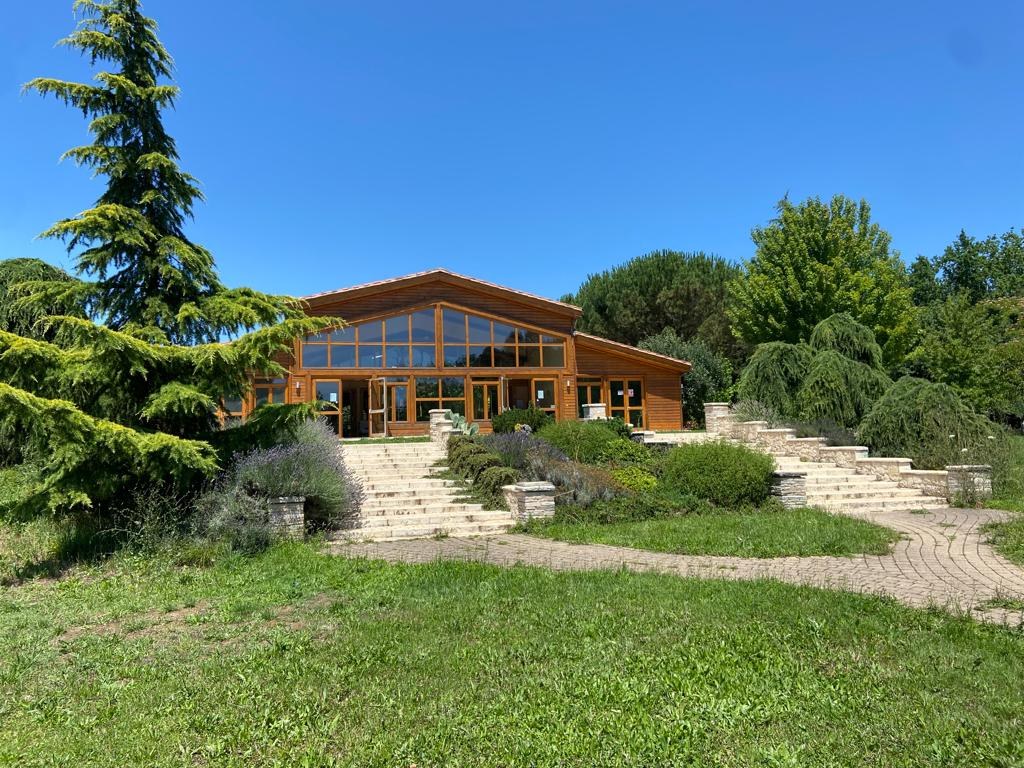
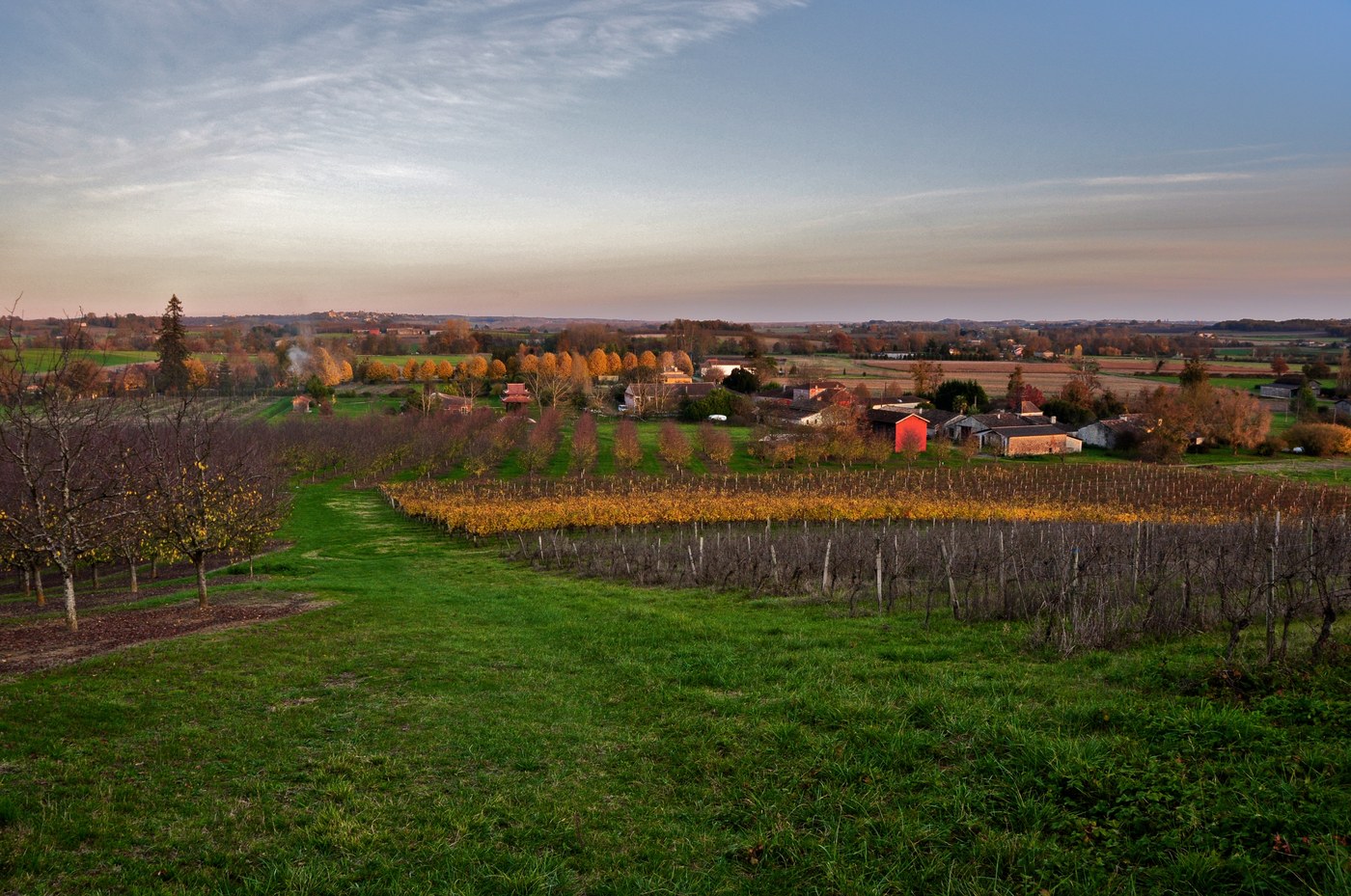
Zen Buddhist monastery and practice center of the Plum Village (Engaged Buddhism) tradition; weekly themed retreats and longer retreats at the hamlets.
Tradition: Zen Buddhism (Plum Village / Engaged Buddhism tradition).
Welcome: Open to all regardless of religion, ability, cultural background, ethnicity, gender identity, or sexual orientation; children and teens welcome and registered. Accessibility note: few wheelchair-accessible rooms; wheelchair users advised to bring a car and a companion for support.
Good to know: Communal living only — no single rooms, most rooms shared; some meals in silence; mindful communal work (cleaning, meal prep) part of the schedule; camping possible mid-March to 1 Nov; meditation sessions not silent-only.
How to visit: Online registration via plumvillage.org (register per hamlet); payment required at registration to secure a place (card worldwide, SEPA direct debit; payment plans available; cash/cheque/manual transfers no longer accepted). Cancellation: 28+ days before arrival — refund minus €100 admin fee; 14–27 days — 50% refund; ≤13 days — no refund.
Meals: Full board included — all meals vegetarian.
Fees or donations: Fixed tiered contribution (Scholarship −25% / Reduced / Sustaining / Supporting — choose the highest you can offer) with a dana element built in; limited scholarship/further-reduction places for students ≤25 and the unemployed.
Minimum stay: Booked per retreat week (contributions are "per person, per week"); the official page does not state a minimum-stay rule explicitly — themed retreats run week-long. Flagged as not stated as a formal rule.
Ownership: From 3 Jan 2026: payments split between "Bienvenue Aux Pruniers S.A.S." (social enterprise managing food, accommodation, facilities, administration) and "Congrégation Bouddhique Zen Village des Pruniers" (officially registered Buddhist Congregation); the official site describes Plum Village monastery as a non-profit charitable organization and registered religious congregation.
Telephone: Telephone NOT found on the official pages reviewed — flagged UNVERIFIED.
Founded: Founded 1982 by Thích Nhất Hạnh and Chân Không (land purchased Sept 1982).
Architecture: Old farm buildings on the Thénac site: barns converted to meditation halls, sheepsheds to dorms; today 80+ hectares across three hamlets (Lower 1982, Upper 1982, New Hamlet Dieulivol).
“Sitting and walking meditation among plum orchards, communal silence at meals, evenings of music and storytelling with the monastic brothers and sisters.”
SPIRIT ROCK MEDITATION CENTER
5000 Sir Francis Drake Boulevard, Woodacre, California 94973, USA (San Geronimo Valley, West Marin).
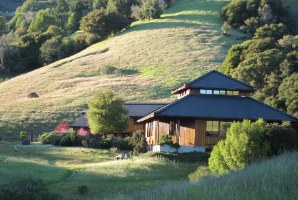
Insight Meditation (vipassana) center — silent residential retreats, daylongs, classes, and teacher training for lay practitioners.
Tradition: Buddhist — Insight Meditation (Vipassana), lay-practitioner oriented (not a monastery).
Welcome: Open to all; renunciate monastics attend free; scholarships include Muditā/Karuṇa (elders 65+ on fixed incomes, serious illness), BIPOC scholarships, and Young Adult (18–26) scholarships; maximum two scholarships per calendar year.
Good to know: Silent retreats; modest, restrained dress expected on retreat; payment plans available; not recommended for those with acute mental/emotional challenges (per retreat pages).
How to visit: Online registration via spiritrock.org — each retreat has its own registration page; payment plans (installments, balance due before retreat starts) available; minimum deposit due for all attendees. Tel +1 415-488-0164.
Meals: Included — Sustainer rate "covers food, lodging, and program costs"; dining-hall menus are vegetarian (abundant vegan and gluten-free options), sourced local/organic/sustainable, built on the principle of non-harm.
Fees or donations: Sliding-scale fees (Supporter/Benefactor/Sustainer/Basic + Reduced and Muditā/Karuṇa scholarships) PLUS dana — teachers are supported by voluntary donations given at the end of the retreat; donations to Spirit Rock also invited.
Minimum stay: Residential retreats run multi-day; durations vary by program (typically 3–7 nights). Not stated as a fixed minimum.
Ownership: Nonprofit mission organization — official site: "Your generosity sustains our nonprofit mission" (exact 501(c)
Telephone: Tel +1 415-488-0164.
Founded: Incorporated 1985 as Insight Meditation West; the name "Spirit Rock Meditation Center" formally adopted 1988; founded by Jack Kornfield, James Baraz, Sylvia Boorstein, Anna Douglas, Howard Cohn and others (brief's "founded 1988" = name adoption year; incorporation 1985 per Wikipedia).
Architecture: 412 acres of the San Geronimo Valley purchased 1988 from The Nature Conservancy; retreat center opened July 1998; permanent Community Meditation Center, staff village and admin buildings completed 2016; most of the land under conservation easement; accommodations for 96 retreatants in four residence halls named after the Brahmavihāras.
“Silent walking trails through oak woodlands, the ritually consecrated meditation hall, meals eaten in contemplative quiet.”
INSIGHT MEDITATION SOCIETY (IMS)
Barre, Massachusetts, USA.
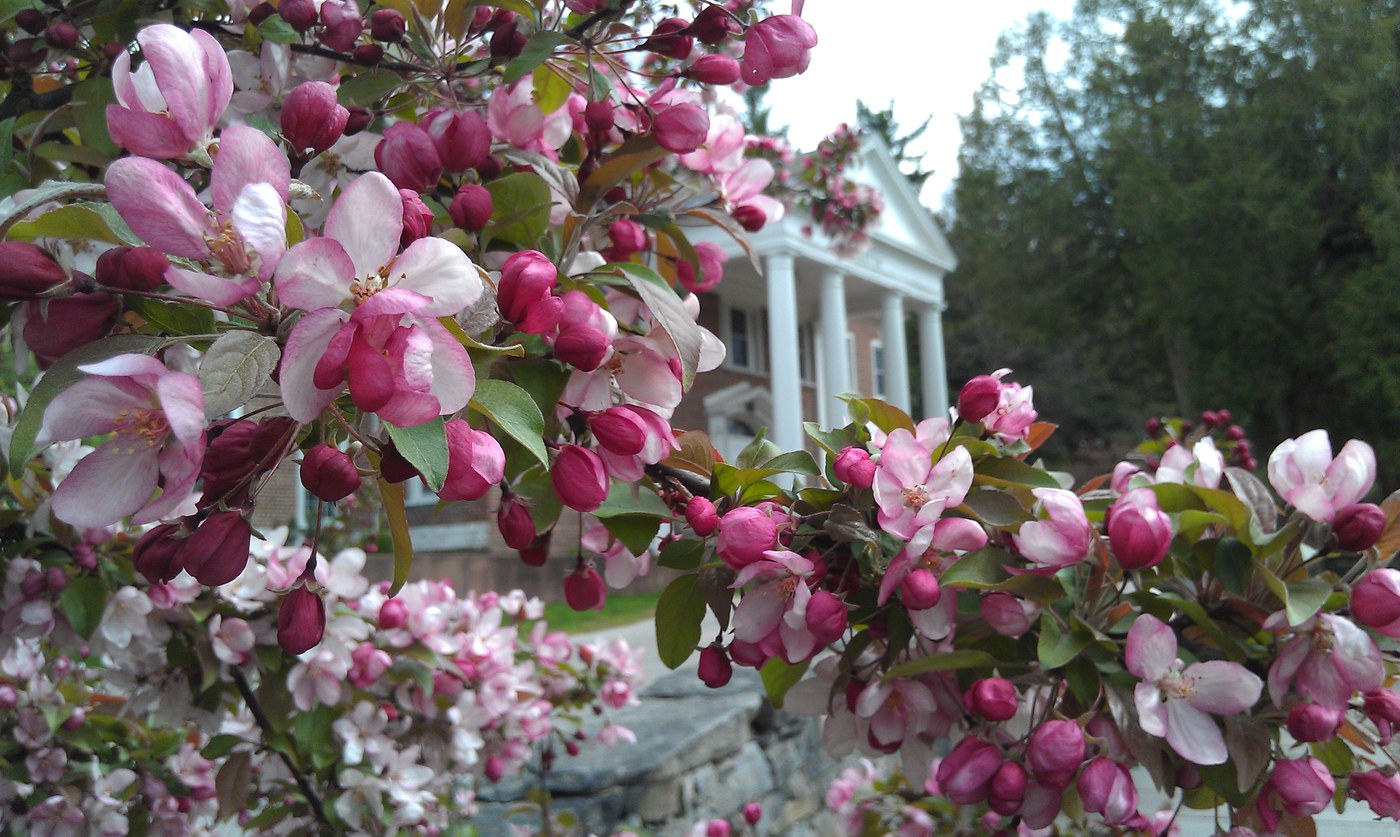
Residential silent meditation retreat center offering scheduled retreats at two facilities, the Retreat Center and the Forest Refuge.
Tradition: Buddhist — Theravada / vipassana (insight meditation) lineage.
Welcome: Open to everyone regardless of belief; no prior meditation experience required for most retreats (some identity-specific retreats offered, e.g. LGBTQAI+).
Good to know: Silent retreats; teaching is offered freely — teachers are supported by dana (generosity) donations, not program fees.
How to visit: Register online at dharma.org, or by phone +1 978-355-4378 (registration line shown on dharma.org retreat pages).
Meals: All meals included; vegetarian.
Fees or donations: Fixed sliding scale (choose Benefactor / Sustaining / Mid / Supported tier). "The Sustaining rate represents the actual cost to IMS to operate our programs." Amounts paid above the Sustaining rate are treated as tax-deductible donations (per dharma.org fees page; exact 501(c)(3) wording not independently confirmed — flagged).
Minimum stay: Not published on the pages fetched; retreats are sold as fixed-date courses (e.g. 7-night, 3-month) rather than open-ended stays.
Ownership: Nonprofit organization (fees page notes above-Sustaining payments are tax-deductible donations — consistent with US charitable status; exact legal entity name not published on the pages reached — flagged).
Telephone: Tel +1 978-355-4378 (registration line, dharma.org).
Founded: Founded 1975 by Sharon Salzberg, Jack Kornfield and Joseph Goldstein (dharma.org "IMS History").
Architecture: Opened 14 February 1976 in a former Catholic novitiate in Barre, purchased for $150,000 (dharma.org history page). Second facility, the Forest Refuge, operates alongside it. Architect/heritage-listing details not published on the pages fetched — flagged.
“Rural central-Massachusetts campus in a quiet former religious property; silent halls, long sittings, walking meditation on wooded grounds.”
GREEN GULCH FARM ZEN CENTER
Muir Beach, Marin County, California, USA (1601 Shoreline Hwy, Muir Beach, CA 94965).
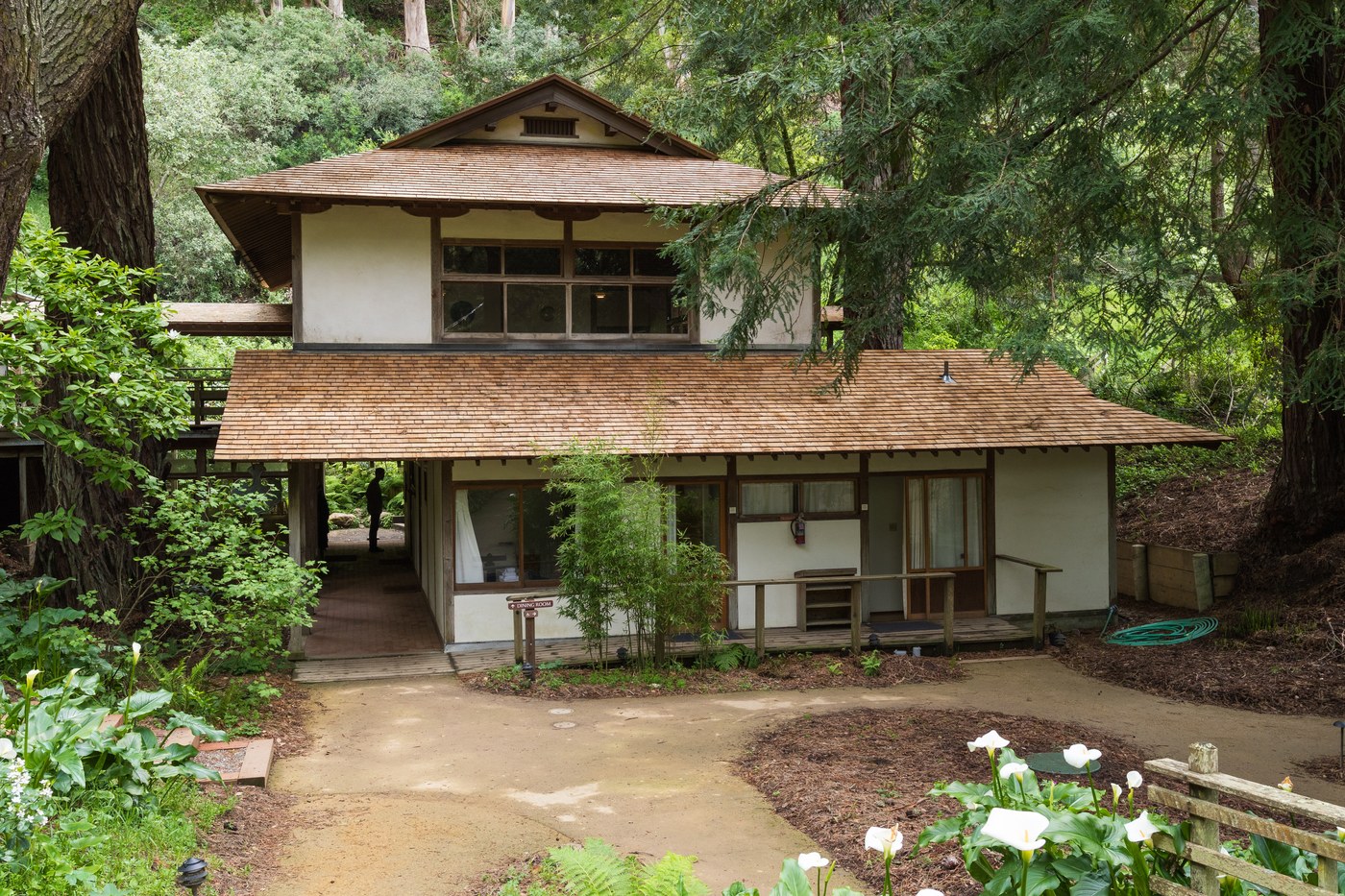
Zen practice center, residential monastery and organic farm in a coastal valley; offers guest stays, guest-student residencies, workshops and Sunday public programs.
Tradition: Soto Zen Buddhism (lineage of Shunryu Suzuki), or Sōryū-ji; part of San Francisco Zen Center.
Welcome: Everyone — international visitors on US B visas are welcomed to offerings; a designated fund supports BIPOC practitioners with guest-student stay fees.
Good to know: Guest-student stays require daily work practice (2–3 hrs/day physical work: dishes, cleaning, farm/garden crews); quiet-contemplation ethos (no phone calls in public areas, headphones only in guest house); three vegetarian meals served communally; day-visitor parking restricted.
How to visit: Guest-house stays booked via the reservations link on the sfzc.org Green Gulch "Visits & Stays" page (2026 dates released as blocks, e.g. Oct 7–11, 2026, via WebRez). Guest-student stays via application to the Guest Student Manager (ggfstudent@sfzc.org). Tel +1 415-383-3134 (per sfzc.org listing).
Meals: Included for overnight guests and residents — three vegetarian meals/day in the main dining room (breakfast 7:20 am, lunch 12:15 pm, dinner 6 pm); vegan and gluten-free options; guest-house kitchen stocks bread, fruit, coffee, tea.
Fees or donations: Fixed fees (guest stays and guest-student program); Sunday public programs by suggested donation.
Minimum stay: Guest-student program: 14 days. Guest-house stays: no general minimum published for 2026 (a 2006 article cited a 2-night weekend minimum — dated, flagged).
Ownership: Operated by San Francisco Zen Center (nonprofit).
Telephone: Tel +1 415-383-3134.
Founded: Founded 1972 by the San Francisco Zen Center and Zentatsu Richard Baker.
Architecture: 115-acre site purchased 1972 from rancher and Polaroid co-founder George W. Wheelwright (sale conditioned on public trail access and agricultural use); private inholding of the Golden Gate National Recreation Area; zendo is a Japanese-style meditation hall converted from a barn; Lindisfarne Guest House is octagonal, traditional Japanese style with central wood stove and passive solar heating; gardens laid out with horticulturist Alan Chadwick (biodynamic/French-intensive methods). "Former dairy ranch" label — ranch history verified; dairy-specific claim UNVERIFIED, flagged.
“Octagonal Lindisfarne Guest House with skylit atrium, wood-burning stove and garden views; valley opening to the Pacific; bread from the farm bakery.”
KOPAN MONASTERY
Budhanilkantha Municipality, Kathmandu (near Boudhanath), Nepal.
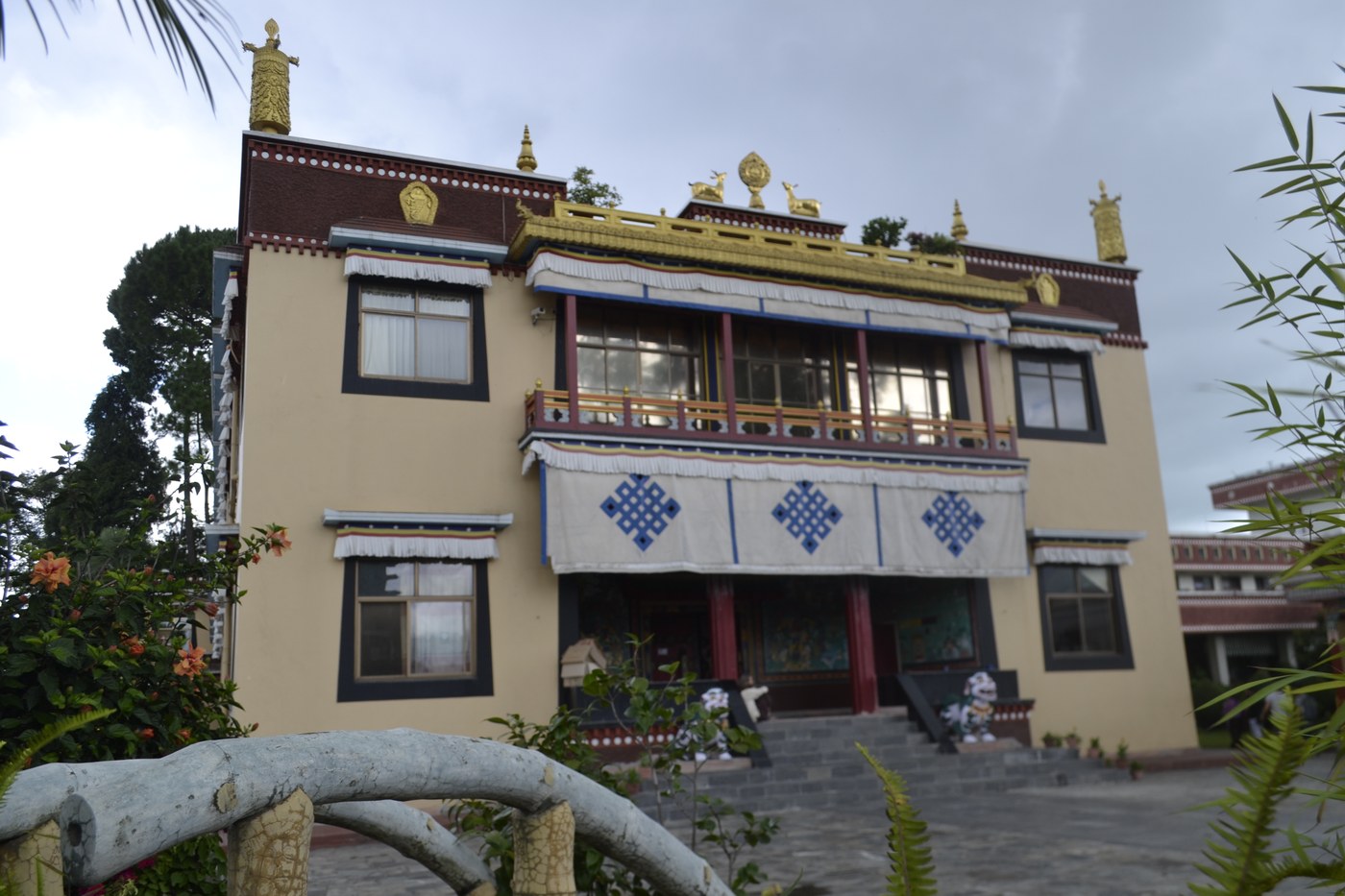
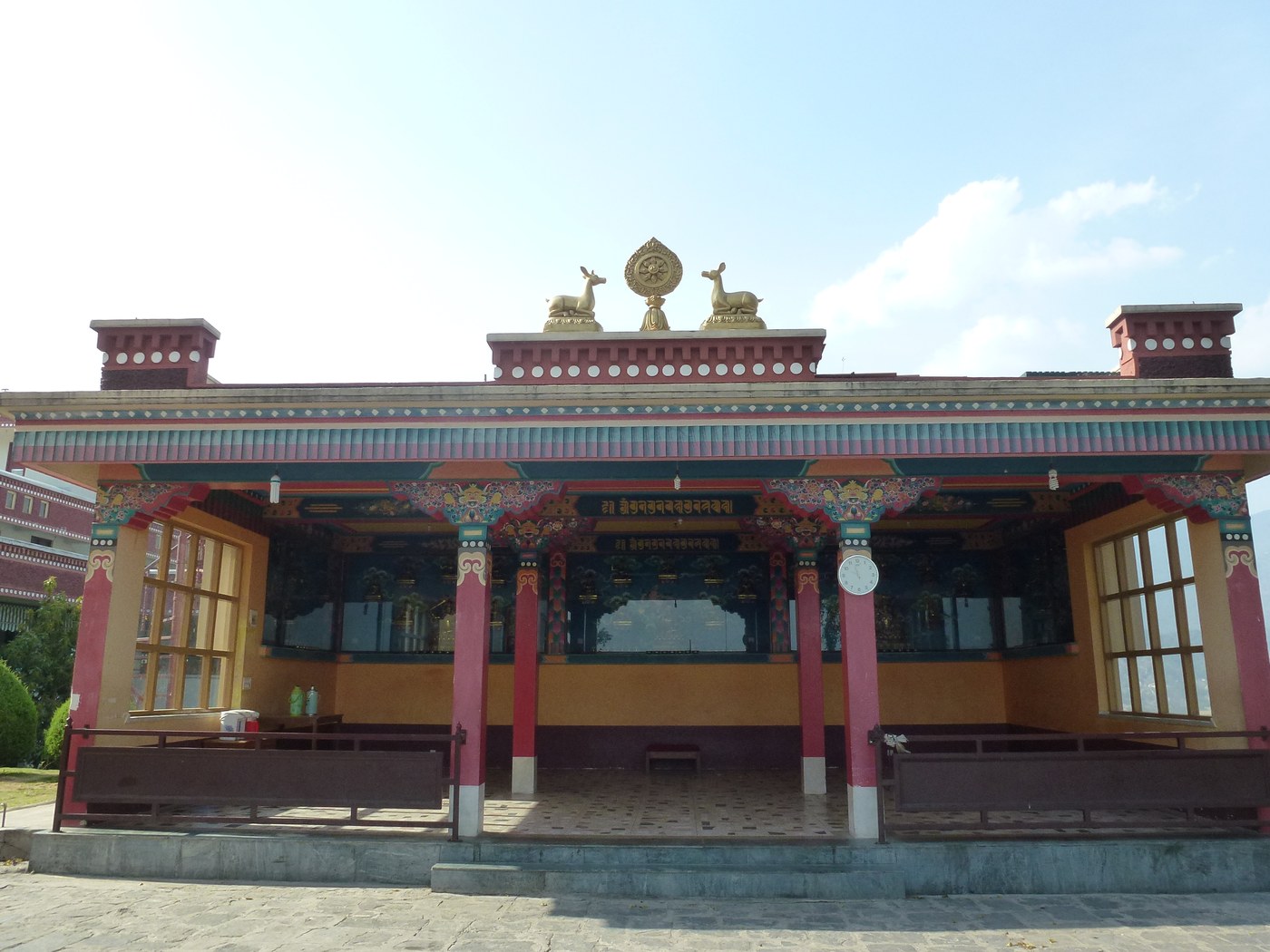
Working Gelug monastery famous for teaching Buddhism to visiting Westerners; the annual month-long November lam-rim ("One-Month Lamrim Course") has run since 1971.
Tradition: Tibetan Buddhism (Gelug school); member of the Foundation for the Preservation of the Mahayana Tradition (FPMT).
Welcome: Everyone — the November course is listed as "All levels"; 10-day introductory courses open to beginners.
Good to know: Vegetarian diet during courses; silent meditation retreat component; monastic setting (daily schedule runs 6:30 am–9 pm with partial silence hours); visitors asked to bring sleeping bag for the November course (not enough blankets for everyone).
How to visit: Register via the course calendar at kopanmonastery.com (redirects to kopanmonastery.org); courses are residential and booked through the site.
Cost: No course fee is published on kopanmonastery.org for the 2026 November course — fee UNVERIFIED, flagged. For reference only: a 2024-era travel blog reported the standard 10-day "Discovering Buddhism" introductory course at $150 including teaching, food and accommodation (2024, third-party, not official). A GetYourGuide third-party listing for a "1-Month Buddhist Monastery Retreat in Kathmandu" was priced at $693.68 (2026, third-party reseller — not confirmed to be the Kopan course).
Meals: Vegetarian diet included during courses (per Wikipedia's description of the November course, and 10-day course reports of included food).
Fees or donations: Fixed course fee (amount not publicly published) — teaching plus food and lodging bundled.
Minimum stay: None published; the November course is a 30-day commitment (1–30 November 2026, led by Ven. Olivier Rossi). Shorter option: 10-day "Discovering Buddhism" introductory courses run throughout the year (can opt for 7 days or the full 10 including a 2-day silent retreat).
Ownership: Member of FPMT (once its headquarters) — formal legal entity name UNVERIFIED, flagged.
Telephone: Tel +977 1-4821268 (country code +977; listed on third-party directory — not from the official site, flagged).
Founded: Founded 1969 by Lamas Thubten Yeshe and Thubten Zopa Rinpoche (property bought from Nepal's royal astrologer; first November course held 1971).
Architecture: Main monastery atop Kopan Hill; Khachoe Ghakyil Ling Nunnery (Kopan Nunnery) established 1979 by Lama Yeshe — specific building construction years and architect UNVERIFIED, flagged.
“Hilltop monastery gardens with prayer flags and valley views; morning teachings in the gompa; lam-rim study with Western monks/nuns and international students.”
DRALA MOUNTAIN CENTER (FORMERLY SHAMBHALA MOUNTAIN CENTER)
Red Feather Lakes, Colorado, USA (151 Shambhala Way, Red Feather Lakes, CO 80545).
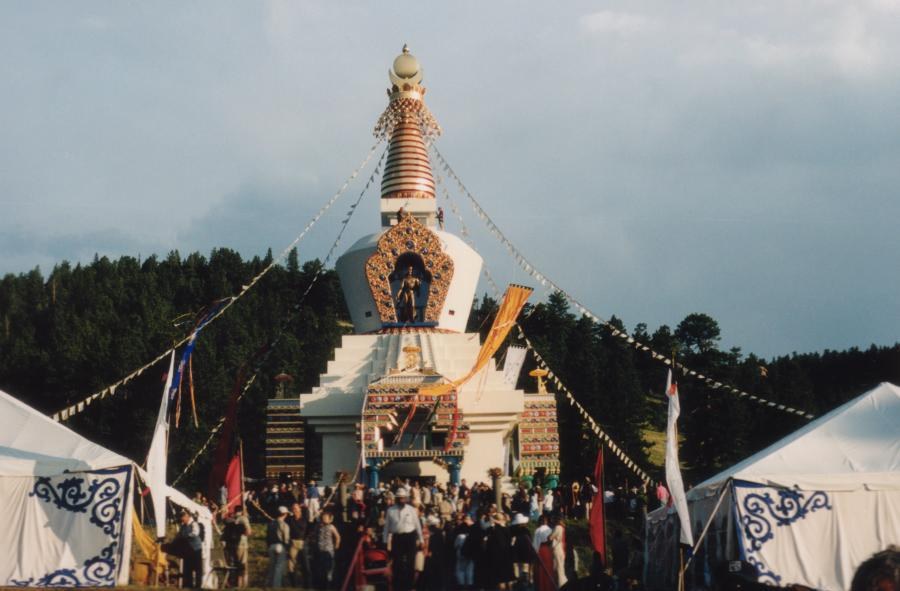
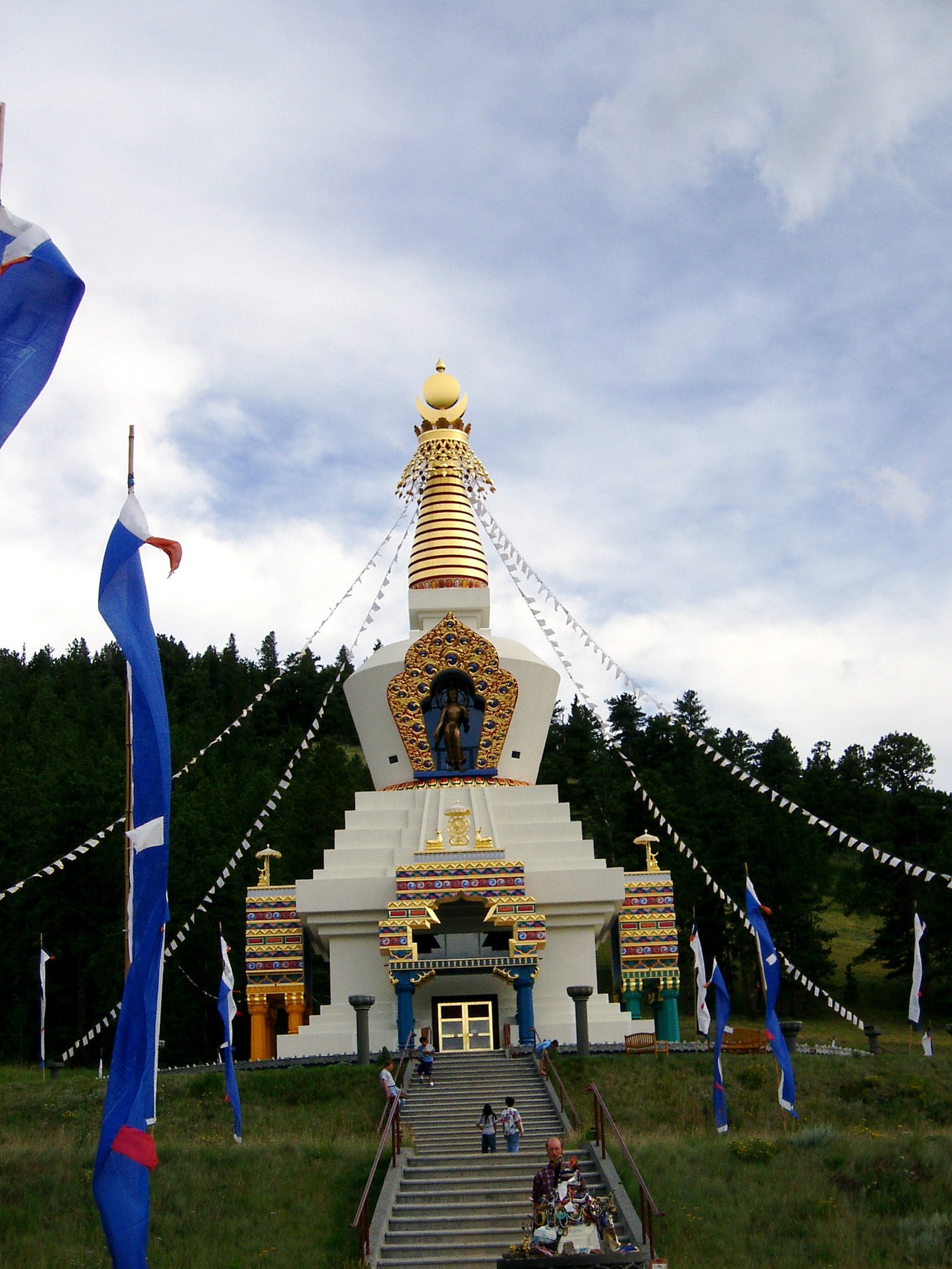
600-acre mountain retreat center with the 108-foot Great Stupa of Dharmakaya; year-round residential programs.
Tradition: Buddhist-rooted (Shambhala/Shambhala Buddhist lineage); programs now span meditation, yoga, contemplative arts and secular traditions — "not tied to any one tradition," mission grounded in the Buddha Dharma.
Welcome: Everyone — "programming and opportunities that are beneficial to all people, regardless of background" (per the center's own description).
Good to know: Sliding-scale tuition model (scholarship/standard/sponsor tiers); alcohol policy and other house rules not verified — none otherwise noted.
How to visit: Online registration per program at dralamountain.org (tuition + lodging combined at checkout); front desk at frontdesk@dralamountain.org or +1 970-881-2184 (Mon–Fri).
Meals: Included in all lodging rates — three meals/day, vegetarian/vegan/gluten-free options.
Fees or donations: Fixed fees with a sliding-scale tuition option (scholarship/standard/sponsor); extra nights at 50% off advertised on 2026 programs.
Minimum stay: None published; stays are tied to program length (typically 2–7 nights).
Ownership: 501(c)
Telephone: Tel +1 970-881-2184 (reservations/front desk; toll-free 888-788-7221 also listed).
Founded: Founded 1971 by Chögyam Trungpa Rinpoche as Rocky Mountain Dharma Center (operated by Vajradhatu); incorporated separately as Shambhala Mountain Center in 2000; renamed Drala Mountain Center in February 2022.
Architecture: Great Stupa of Dharmakaya — construction initiated 1988, built over a 13-year period by volunteer labor, consecrated summer 2001; 108 feet (33 m) tall, special concrete formulated to last 1,000 years, 20-foot golden Buddha inside; contains relics of Chögyam Trungpa. ~35,000 sq ft of building space for meditation, talks, programs and lodging.
“High mountain valley at 8,000 feet; the gold-topped Great Stupa in a meadow; hiking trails; communal dining.”
ASHRAMS AND SPIRITUAL COMMUNITIES
AMRITAPURI ASHRAM (MATA AMRITANANDAMAYI / AMMA)
Amritapuri, Kollam, Kerala, India (between the Arabian Sea and Kerala backwaters).
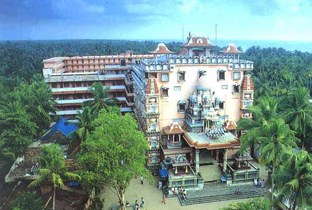
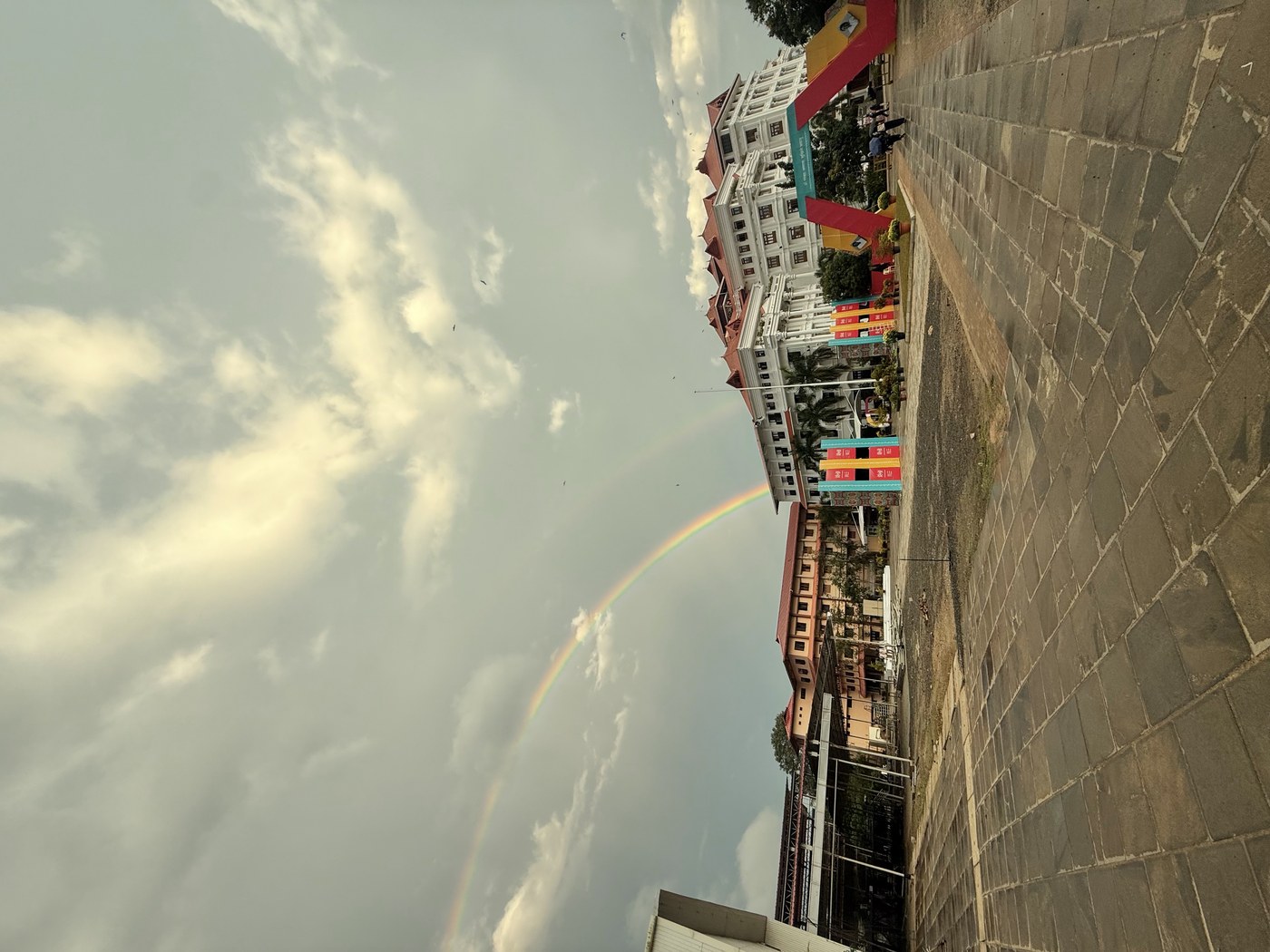
The international headquarters and mother-ashram of Mata Amritanandamayi (Amma, "the Hugging Saint"); home to 3,000–3,500 monastic disciples and householders.
Tradition: Hindu (devotional, bhakti-centered).
Welcome: "Everyone is welcome to come and stay at the ashram at any time" (official FAQ) — all faiths/backgrounds; Amma travels frequently, so visitors check her tour schedule (Yatra) before planning. Darshan (blessing hug) is free — free tokens distributed earlier in the day; no darshan on Tuesdays and Fridays.
Good to know: Vegetarian; alcohol-free; seva (selfless service) culture — all visitors are expected to wash their own dishes; simple dormitory living; modest dress; quiet hours observed around the schedule.
How to visit: International visitors must confirm arrival in advance by registering online (v.amritapuri.org visit form); Indian visitors email stay@amritapuri.org; groups of six or more give at least 7 days' notice. Passport + visa required for international guests (carry copies). Tel +91-476-2897578, +91-476-2896378, +91-476-2896399; international-accommodation line +91-476-3241065 (per official pages).
Cost: Official site states boarding, lodging and basic amenities are available for "a nominal fee" — NO published room rates found on amritapuri.org — FLAGGED. Visitor-reported (Dec 2025 blog, describing winter 2025/26): three room categories — simple, renovated, renovated with A/C — roughly USD 6–22/night. Flagged as visitor-reported, not official.
Meals: "Simple, Indian style ashram meals are provided along with your accommodation"; non-spicy Western-style food also available (Indian and international canteens, all volunteer-run).
Fees or donations: Fixed nominal fees for lodging (unpublished) plus the Math's charitable donations; the ashram's own wording is "a nominal fee" rather than "donation" — note the distinction. Darshan itself is free.
Minimum stay: None published.
Ownership: Mata Amritanandamayi Math (MAM), a non-profit, non-political spiritual and humanitarian organization; its charitable work runs under the umbrella "Embracing the World".
Telephone: Tel +91-476-2897578, +91-476-2896378, +91-476-2896399; international accommodation +91-476-3241065.
Founded: Founded 1981 — the Math was formally founded 6 May 1981 at Amritapuri (encyclopedia sources; Wikipedia cites founding 1981).
Architecture: Large multi-storey ashram residential towers on the coastal campus; construction years NOT verified — flagged.
“Pre-dawn archana in the Kalari, evening bhajans in the Kali temple, meditation with Amma at the beach or the big hall, the sound of the Arabian Sea between sessions.”
AUROVILLE
Auroville, Tamil Nadu, India (near Pondicherry).
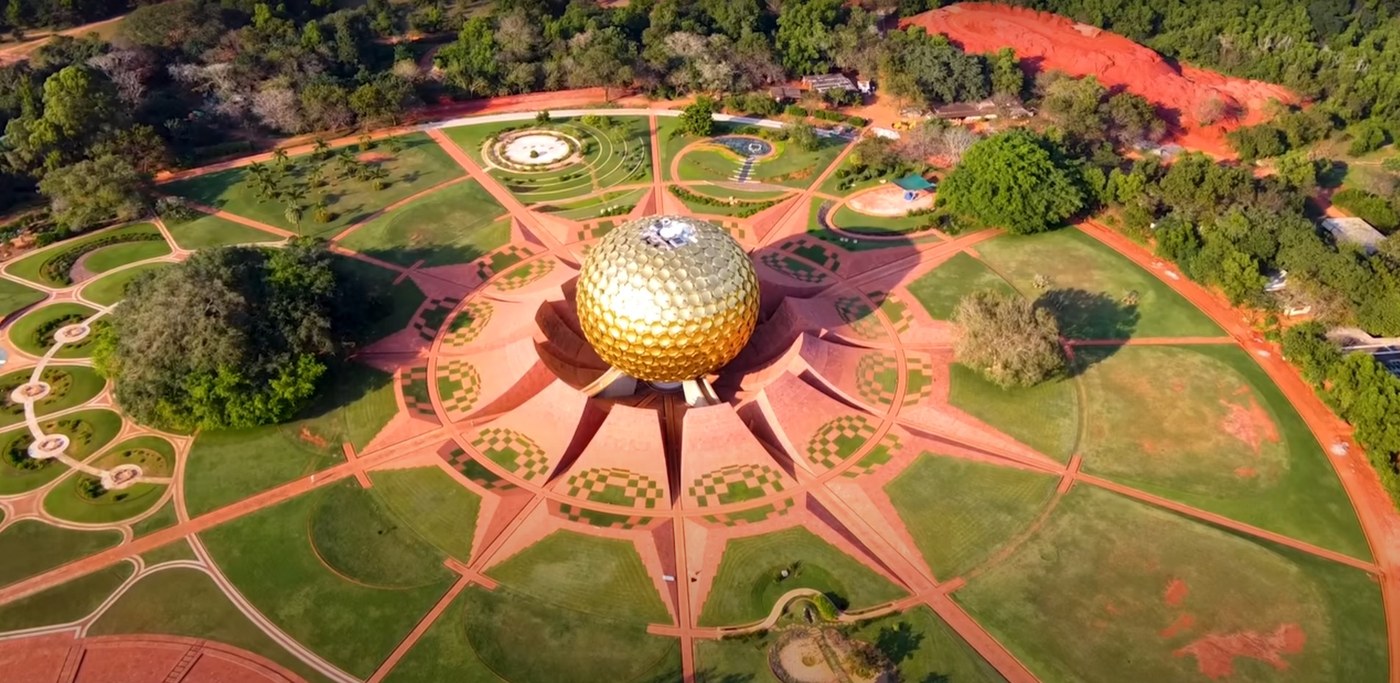

Experimental universal township (charter: "a universal town where men and women of all countries will be able to live in peace and progressive harmony, above all creeds, all politics and all nationalities").
Tradition: No single religion — founded on Integral Yoga (Sri Aurobindo) and the Charter of Mirra Alfassa ("The Mother"); Auroville "belongs to humanity as a whole"; Matrimandir "does not belong to any particular religion or sect".
Welcome: Welcomes everyone; visitors must respect community norms (buses/large vehicles discouraged; guest conduct expectations published). Matrimandir viewing point: free pass from the Visitors' Centre; Inner Chamber open mornings (except Tuesdays & Sundays) by booking request 3–7 days in advance.
Good to know: Not a hotel destination — an experimental township; communal, eco-oriented daily life; payment via Aurocard system for guests.
How to visit: Book guest houses individually via guesthouses.auroville.org (official guesthouse listings) or each guesthouse's own site; also via visit.auroville.org.
Meals: Varies by guest house (many include breakfast). The Solar Kitchen (Auroville's Community Dining Hall) serves simple vegetarian food — over 1,000 lunches prepared daily, 260–300 eaten in the dining hall; lunch 12:15–1:15pm, dinner also served; guests must book in advance (tel +91 413 2622197) and pay by Aurocard or Auroville account only. Other Auroville restaurants/cafés are extra.
Fees or donations: Fixed fees (guest-house tariffs set by each house) — not a donation model.
Minimum stay: No township-wide minimum; guest houses set their own policies (one property lists a 1-day minimum on a booking platform — property-specific, not official — flagged).
Ownership: Auroville Foundation, established by the Government of India under the Auroville Foundation Act, 1988.
Telephone: Tel +91 413 2622239 (Matrimandir contact); +91 413 2622934 (Swagatham guest house); Solar Kitchen bookings +91 413 2622197 — from directory/auroville.org listings, not an official "contact us" page — flagged.
Founded: Founded 28 February 1968, inaugurated by Mirra Alfassa ("The Mother"), inspired by Sri Aurobindo's Integral Yoga; 124 nations represented at the inauguration.
Architecture: Matrimandir — golden geodesic sphere (12 petals) by architects Mirra Alfassa and Roger Anger; foundation stone laid 21 February 1971; Inner Chamber opened 1994; sphere completed February/May 2008. UNESCO General Conference endorsed Auroville unanimously in 1966, 1968, 1970 and 1983.
“Golden Matrimandir sphere at the center of the Peace Area, red-soil lanes, collective kitchens, reforested plateaus; a city built for "unending education" and human unity.”
INTENTIONAL COMMUNITIES
FINDHORN FOUNDATION / ECOVILLAGE
The Park, Findhorn, Moray, Scotland, UK.
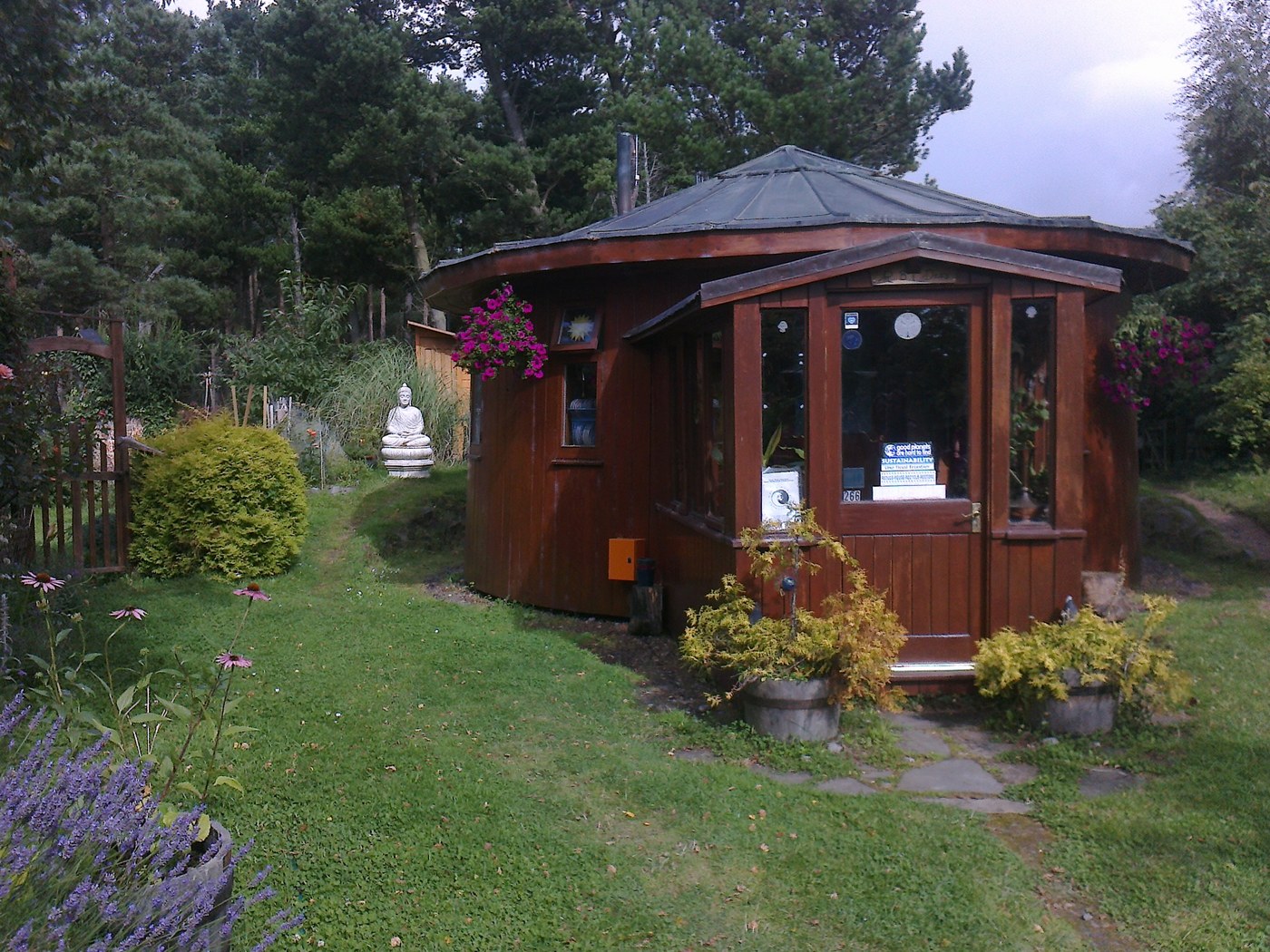
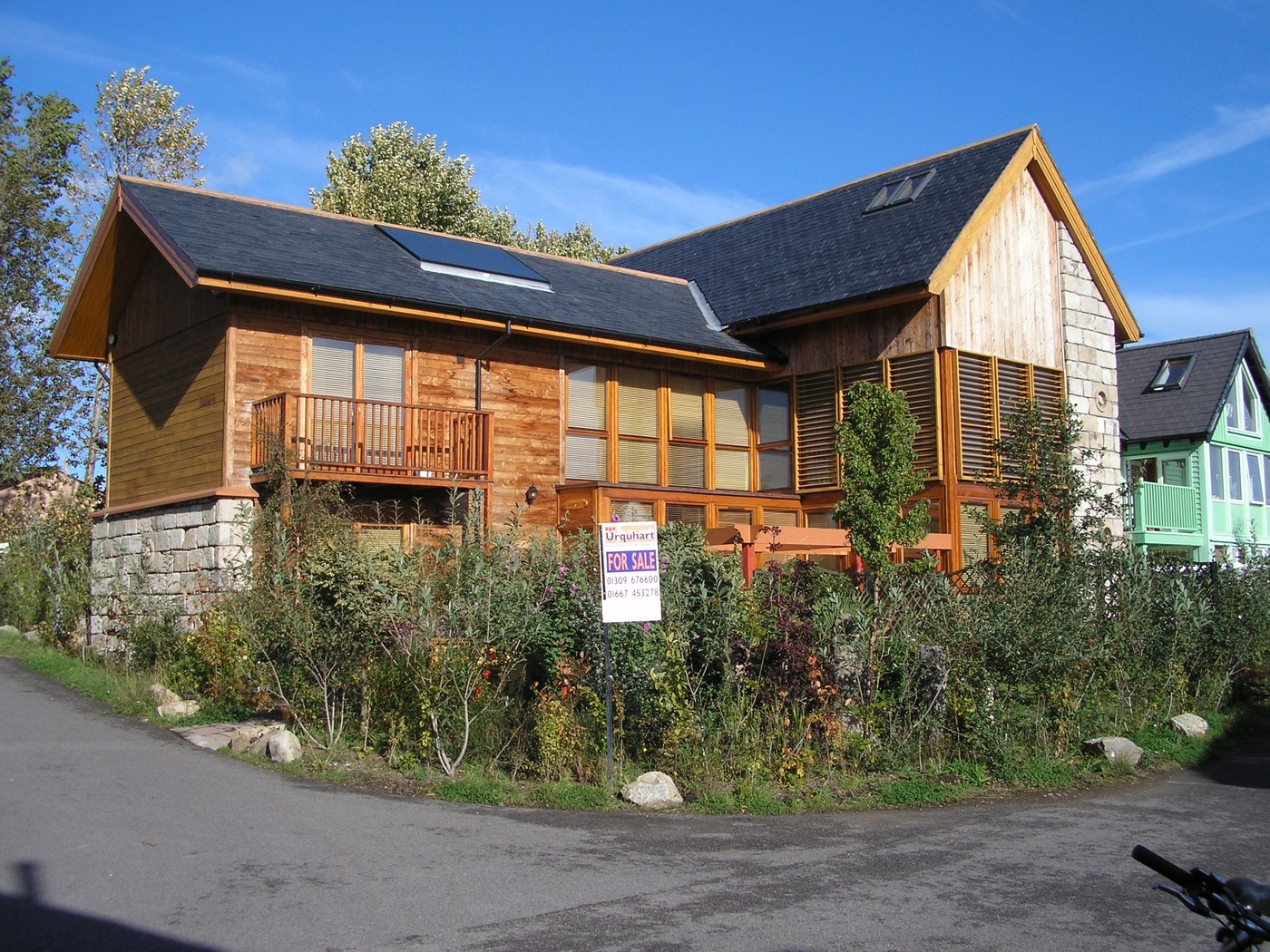
Intentional spiritual community and ecovillage; the Findhorn Foundation runs residential "signature programmes" such as Experience Week at the Park Ecovillage.
Tradition: Spiritual, non-denominational — the Foundation states no formal doctrine or creed.
Welcome: Open to everyone regardless of belief; no prior meditation or community-living experience required for Experience Week.
Good to know: Lived community experience — shared rooms, shared vegetarian meals, group practices; prices include a 10% contribution to the Park Ecovillage Findhorn community.
How to visit: Book online via findhorn.org (programme pages) — bookings provisional until confirmed by email; 50% non-refundable deposit at booking; full payment due 14 days before start (Terms & Conditions, updated 20 February 2026).
Meals: Included — "nourishing, predominantly vegetarian meals prepared with care, using seasonal and locally sourced ingredients where possible"; dietary requirements accommodated with advance notice.
Fees or donations: Fixed fees with tiered pricing (choose tier), plus payment plans and bursaries — not donation-based.
Minimum stay: Program is fixed length (Sunday–Friday, e.g. 13–18 September 2026); arrive Sunday 1–2pm, depart Friday after ~1pm; additional nights may be arranged after booking.
Ownership: Findhorn Foundation SCIO (Scottish Charitable Incorporated Organisation). The organization's own terms pages (updated 20 Feb 2026) use "Findhorn Foundation SCIO"; a findhorn.org self-description lists Scottish charity number SC051938, while its 2020 trustees' report cites SC007233 — charity-number discrepancy flagged.
Telephone: Tel +44 1309 690311 (from directory data, not the contact page — flagged).
Founded: Founded 1962 — Eileen Caddy, Peter Caddy and Dorothy Maclean arrived at the Findhorn Bay caravan park on 17 November 1962 (Forres Gazette, Findhorn trustees' report); charitable foundation established 1972.
Architecture: Park Campus dwellings built from converted whisky-barrel houses and ecological houses (the "Barrel House" was the first ecovillage dwelling; also straw-bale construction, the hand-built Universal Hall (1970s–80s), Cluny Hill College — a former Victorian hotel/spa). UN Habitat Best Practice designation for the ecovillage. Architect names not published on pages fetched — flagged.
“Dunes, forest paths, beach and bay on the Moray Firth; shared meals as "a practice in itself"; ordinary community rhythms as the curriculum.”
DAMANHUR (FEDERATION OF DAMANHUR)
Valchiusella (Vidracco/Baldissero Canavese), Piedmont, Italy, ~50 km from Turin.
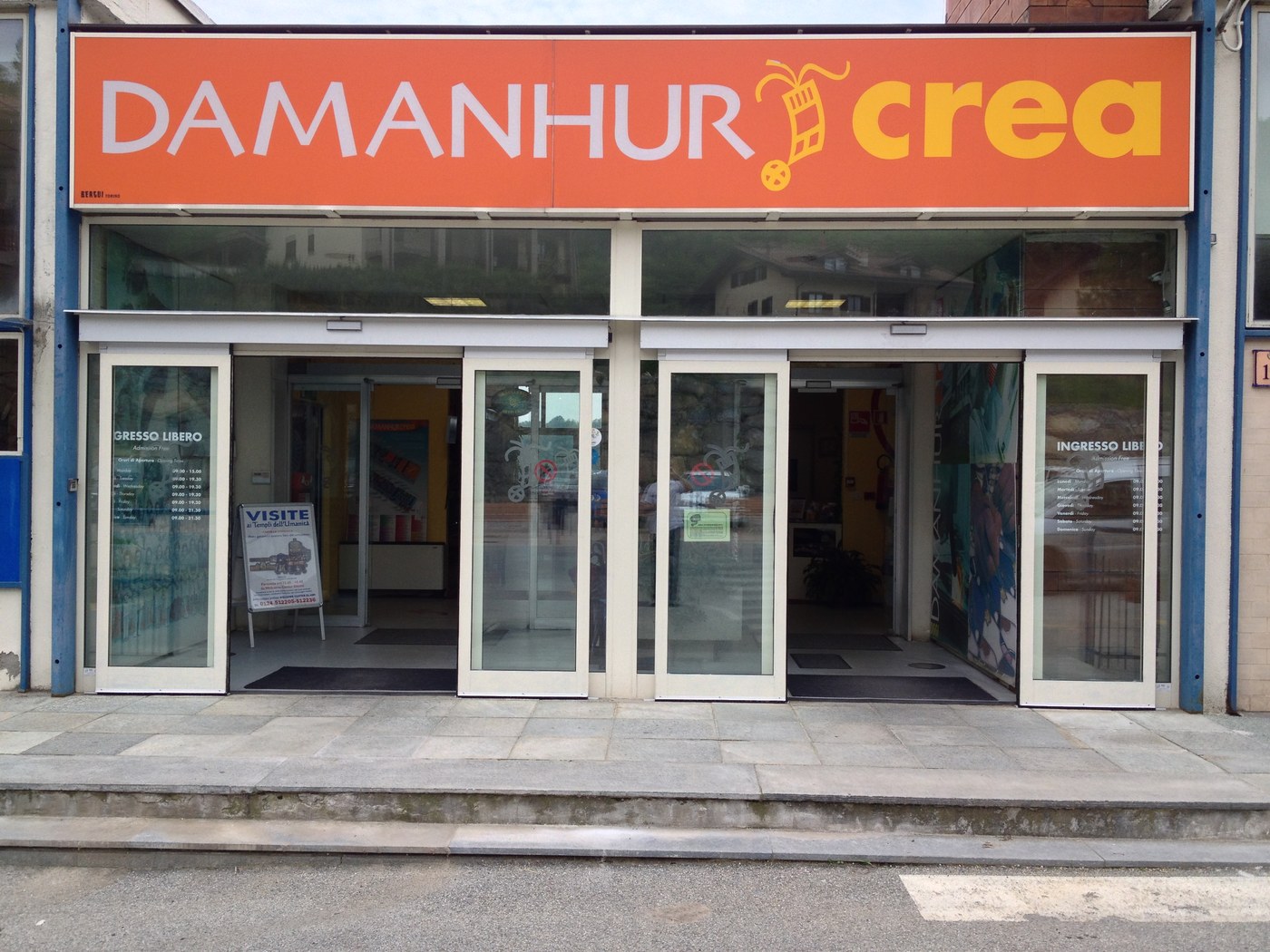
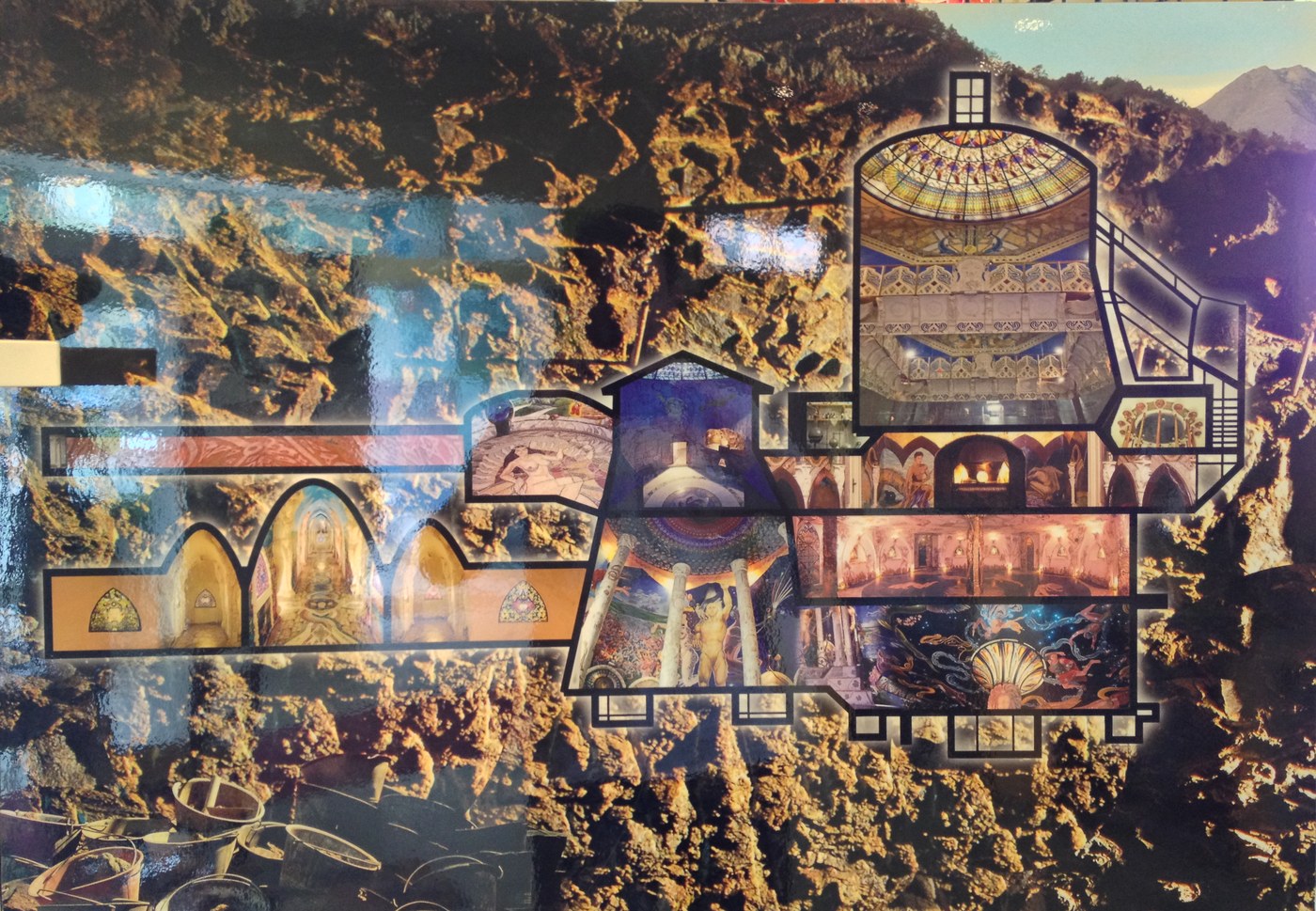
Intentional spiritual community and eco-society; famous for the Temples of Humankind, an underground temple complex.
Tradition: Eclectic spiritual/esoteric philosophy — a "Federation of Spiritual Communities" oriented on consciousness, art, meditation and "spiritual physics" (Selfica, Music of the Plants).
Welcome: Open to visitors via guided tours and residential programs; program rules apply (e.g. New Life program: no smoking/vaping, no drugs or micro-dosing, no excessive alcohol; basic English required).
Good to know: Eco-spiritual art community; communal cooking rotations ("turno") in residential programs; tours are the main visitor format.
How to visit: Tours via damanhur.travel (official visitor portal); residential programs (e.g. New Life) via damanhur.org. Tel +39 0124 512226 (listed for damanhur.travel at Via Baldissero 21, Vidracco — from directory data, not the site's contact page — flagged).
Meals: New Life program: meals taken with the host family "Nucleo", participants join cooking shifts ("turno"); ecological meals included in room & board. Day visits: meals not included.
Fees or donations: Fixed fees — not donation-based.
Minimum stay: None for tours; New Life program is 28 days (8–12 participants per cohort).
Ownership: The Federation of Damanhur, a federation of spiritual communities — exact legal entity name (Associazione? Fondazione?) not published on the official pages reached — flagged.
Telephone: Tel +39 0124 512226 (directory data — flagged).
Founded: Founded 1975 by Oberto Airaudi (spiritual name Falco Tarassaco) and like-minded friends.
Architecture: The Temples of Humankind — subterranean temple complex (Hall of Water, Blue Hall, Hall of Earth, Hall of Metals, Labyrinth Hall, Hall of Spheres, Hall of Mirrors), ~30 m underground; excavation began August 1978 by a small volunteer group working secretly in 4-hour shifts with no formal plans beyond Falco's sketches; discovered by police in 1991/1992; later granted retroactive excavation permission; Guinness World Records listed it in 2001 as the largest underground temple in the world. No published architect (community-built) — flagged.
“Underground halls of mirrors, stained glass and mosaics; stone labyrinths, the Sacred Woods; a working community where art, energy research and daily life interleave.”
TWIN OAKS COMMUNITY
Louisa, Virginia, USA (rural central Virginia, on the South Anna River).
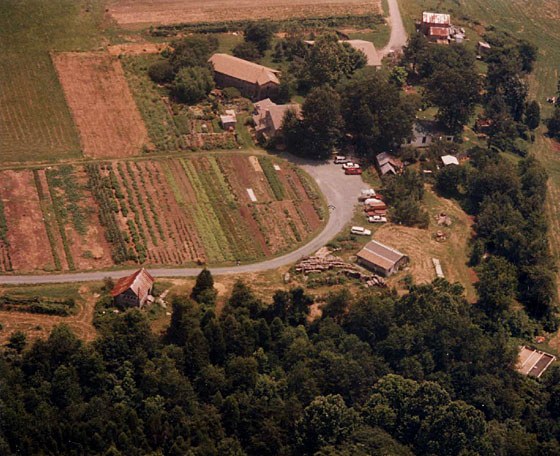
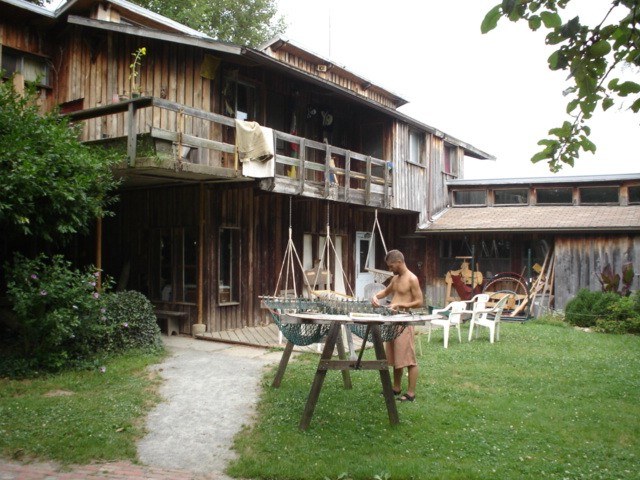
Income-sharing commune (originally inspired by B.F. Skinner's novel Walden Two); ~75 adults and 15 children on 350+ acres; self-supporting via cottage industries (notably hammocks and tofu).
Tradition: Secular — values are egalitarianism, income-sharing, non-violence and cooperation; beliefs diverse among members.
Welcome: Open to all ages — the community abolished its past age-cap policy; everyone can participate in the membership process equally. The 3-week Visitor Program requires an application (letter of introduction); BIPOC travel fund available. No pets; visitors may not invite guests. No minimum age published — flagged.
Good to know: Work-exchange required — visitors work 38.5 hours/week just as members do. LGBTQ+/queer-trans affirming culture stated on their own site; diverse diet accommodated (vegans, vegetarians, omnivores); communal living in group houses; no personal vehicles for visitors during the program.
How to visit: Apply via the website's visitor program application (twinoaks.org visitor pages); also shorter scheduled tours available. (Telephone not published on the official pages reached — flagged.)
Cost: Visitor Program fee is a sliding scale of $50–$250 for the three weeks (cash/check/money order only, no cards; reduced fees available for those who can't afford the low end; "strongly encourage" wealthier visitors toward the high end — per the official visitor program page). Accommodation and food included. No published year on the page — flagged (page appears current but undated).
Meals: Included — communal kitchen; diverse diet accommodated ("Twin Oaks diet is as diverse as the membership... All are accommodated by the Twin Oaks cooks"); much food grown on-site.
Fees or donations: Fixed sliding-scale fee ($50–$250) — not donation-based.
Minimum stay: 3-week structured Visitor Period (can be split into shorter periods by arrangement; a one-month period away from the community is required afterward before membership is considered).
Ownership: Community operates under a communal corporation (secondary sources describe an income-share dividend from "the community's corporation" and IRS 501(d) treatment); exact legal entity name (e.g. "Twin Oaks Community Inc.") not published on the official pages reached — flagged.
Telephone: Telephone not published — flagged.
Founded: Founded 1967 in Louisa County, Virginia; original inspiration B.F. Skinner's Walden Two ("now just one of the many influences").
Architecture: Founded on a former tobacco farm (secondary sources); the official site says land was purchased over time and that the community "built seven large group houses, a children's building, a community center including our main communal kitchen, industrial buildings, and various other structures" — solar and/or wood heat in almost all buildings. Architect/heritage details not published — flagged.
“Pond swims, woodland walks, Solstice and Equinox celebrations, music and dances; a working farm-forest where labor is shared down to washing dishes.”
THE FARM COMMUNITY
Summertown, Tennessee, USA.
Intentional community of families and friends living on 1,750 acres in south-central Tennessee; founded 1971 by Stephen Gaskin and followers of his San Francisco "Monday Night Class"; communal living until 1983, now a cooperative community of ~225 residents with 20+ businesses and nonprofits.
Tradition: Spiritual community that follows no specific doctrine (Foundation for Intentional Community profile); nonviolence and respect for the earth as founding principles.
Welcome: Open to visitors; tours by appointment; drop-ins discouraged outside scheduled events.
Good to know: Vegetarian (historically no meat or dairy; Farm Store sells vegetarian/organic groceries); midwifery heritage (The Farm Midwifery Center); Market Day artisan market every 2nd Saturday, Apr–Oct.
How to visit: Contact via thefarm.org / TheFarmCommunity.org; workshops and apprenticeships run through the Ecovillage Training Center (founded 1994); some residents offer lodging directly; Farm Visitor Center (small museum + shop) at the community entrance.
Cost: No current (2026) published visitor fee found — FLAGGED. Dated references only: Ecovillage Training Center apprenticeships "$200/wk to defray expenses of food, lodging and instruction" (permies forum post, year unknown — dated, flagged); Living Mandala course pages (2009) listed an intensive at up to $3,500 for ~3 weeks including instruction, lodging and 3 meals/day, and a 10-day advanced practicum at $600–$900 sliding scale — flagged as old. A 2012 TripAdvisor review mentions $18/night at the Eco-Hostel — dated, flagged.
Meals: Vegetarian. Course tuition historically included 3 vegetarian meals/day; the Farm Store serves sandwiches and sells vegetarian/organic groceries (self-catered option). Current terms UNVERIFIED — flagged.
Fees or donations: Fixed fees for courses (some with sliding scale, per dated pages); tours by appointment — pricing not published. Current model UNVERIFIED — flagged.
Minimum stay: None published for casual visits.
Ownership: Community managed by an elected board of directors with volunteer committees; The Farm Education/Conference Center is the umbrella nonprofit for the Farm School; nonprofits spun off include Plenty International, Swan Conservation Trust, the Ecovillage Training Center. Exact current legal entity name (e.g. "The Farm Inc.") UNVERIFIED — flagged.
Telephone: No official community-wide telephone verified; an old Ecovillage Training Center contact was 931-964-4474 — dated, flagged.
Founded: Founded 1971 (caravan of ~300 hippies settled 1,750 acres near Summertown).
Architecture: The Eco-Hostel farmhouse was built by members in the late 1970s from recycled materials (per dated course text); the Farm School is a large passive-solar building; Meeting Hall Dome; cob/strawbale structures; organic gardens, ponds, swales. Construction years and architects UNVERIFIED — flagged.
“Rolling wooded hills with cob houses (the "Dragon House" with sculpted walls), a geodesic Meeting Hall Dome, Sunday-morning meditation still held by some members, and a book-publishing/community economy humming in the background.”
TAMERA HEALING BIOTOPE
Near Relíquias, Odemira municipality, Alentejo, Portugal.
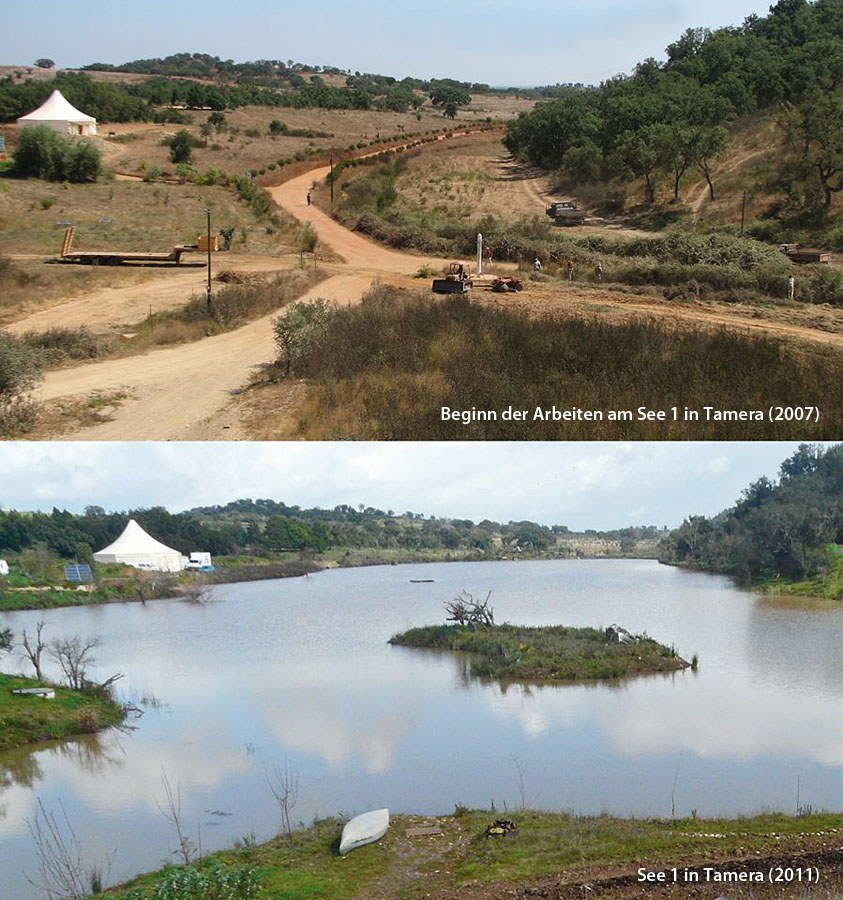
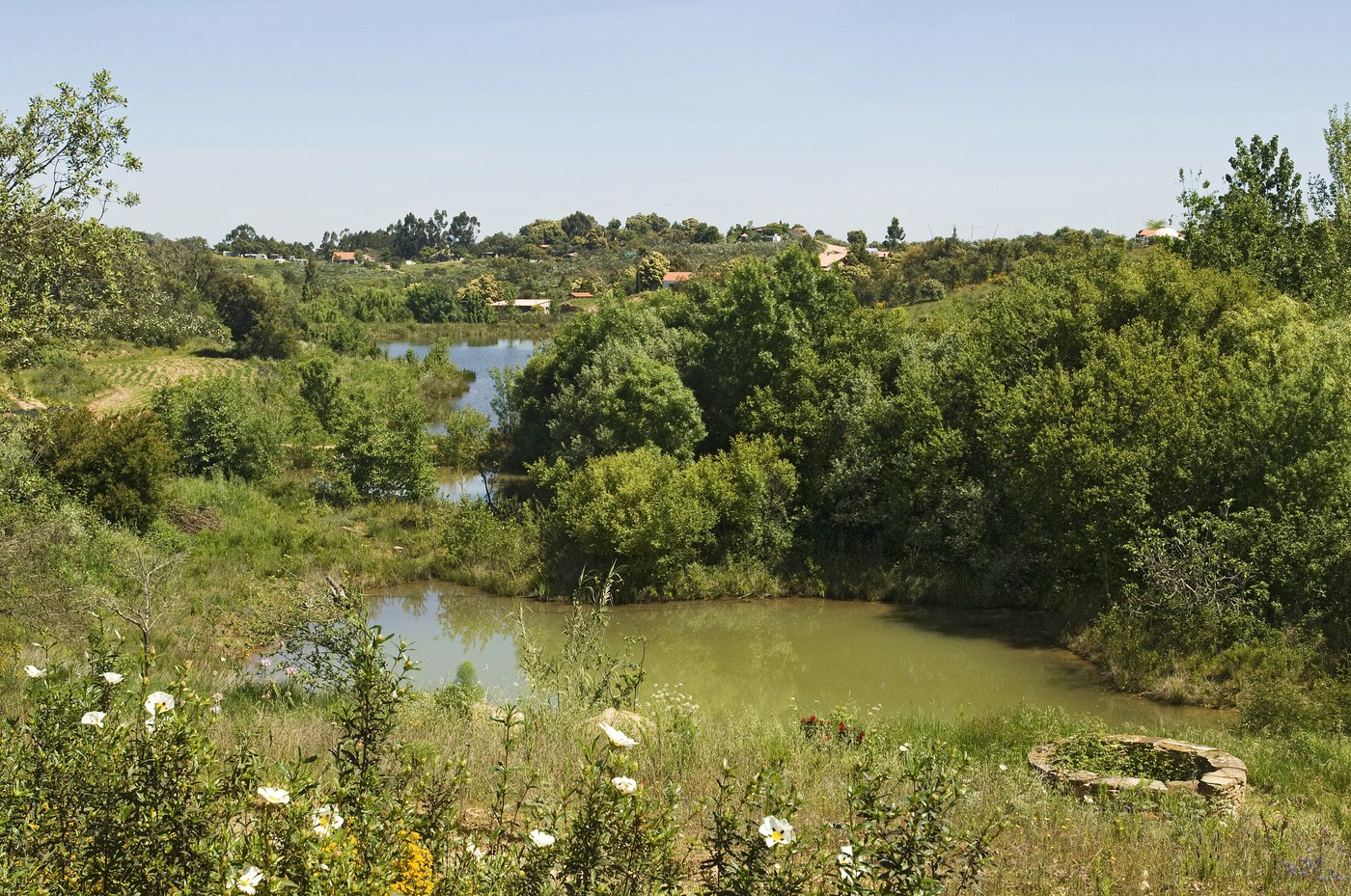
Peace research and education center ("Healing Biotope I"), ~200 people researching a nonviolent, regenerative culture.
Tradition: Secular (peace research); spiritual elements in founders' writings, but no faith tradition.
Welcome: Everyone welcome; advance registration required; guest season only (2026: 1 April to mid-November). First visits are recommended without children (families only occasionally during "hands-on" times).
Good to know: "Love School" culture — explicit exploration of love, sexuality and partnership free of fear (published on their own site, e.g. Temple of Love / "Bodega"); work-study and community-service stays available; Portuguese nationals get reduced rates via scholarship fund.
How to visit: Registration required before coming, via the event calendar on tamera.org; email guest-centre@tamera.org for questions. Arrive 1 day before a course starts; leave 1 day after it ends.
Meals: Three vegan meals/day included in the daily fee (Campus/Visitor Center kitchen). No credit cards accepted; no ATM on site — cash or advance payment.
Fees or donations: Fixed fees (daily fee + course fees); Portuguese nationals living in Portugal may pay 50%, 75% or 100% of the seminar fee plus €20/day; Tamera also runs a Support Circle of regular donations.
Minimum stay: Arrive a day before / leave a day after a course; longer stays only if embedded in another course or work-study program.
Ownership: Property and infrastructure owned by the company Ilos, Peace Research Center, Lda., whose shareholders are the registered associations "G.R.A.C.E." and "Associação para um Mundo Humanitário" (AMH); active members of the associations are the community members (per Foundation for Intentional Community directory). NOTE: Tamera's own 2026 fundraiser says the financial/legal structures "are no longer sufficient" and a new legal cooperative is being created — structure in transition, flagged.
Telephone: No official phone number found on tamera.org — flagged; bookings run via email/website.
Founded: Founded 1995 in Portugal by Dieter Duhm, Sabine Lichtenfels and Rainer Ehrenpreis (project roots in Germany's 1978 Bauhütte; "in 1995 it moved to Portugal").
Architecture: Water Retention Landscape built since 2007 (23 lakes as rainwater retention; tamera.org map); Solar Test Field with solar kitchen and plaza; Guest House on the shore of the largest lake; Tent Hall with seminar rooms and dormitories; Temple of Love in the former "Bodega" wine cellar; ~330-acre (134 ha) property. Architectural style and architect NOT published — flagged.
“23 lakes of the Water Retention Landscape ringed by fruit trees and gardens, the Cultural Center's bookshop-bar-bazaar open most evenings, music drifting from the olive grove.”
ZEGG COMMUNITY
Bad Belzig, Brandenburg, Germany (about 80 km south-west of Berlin).
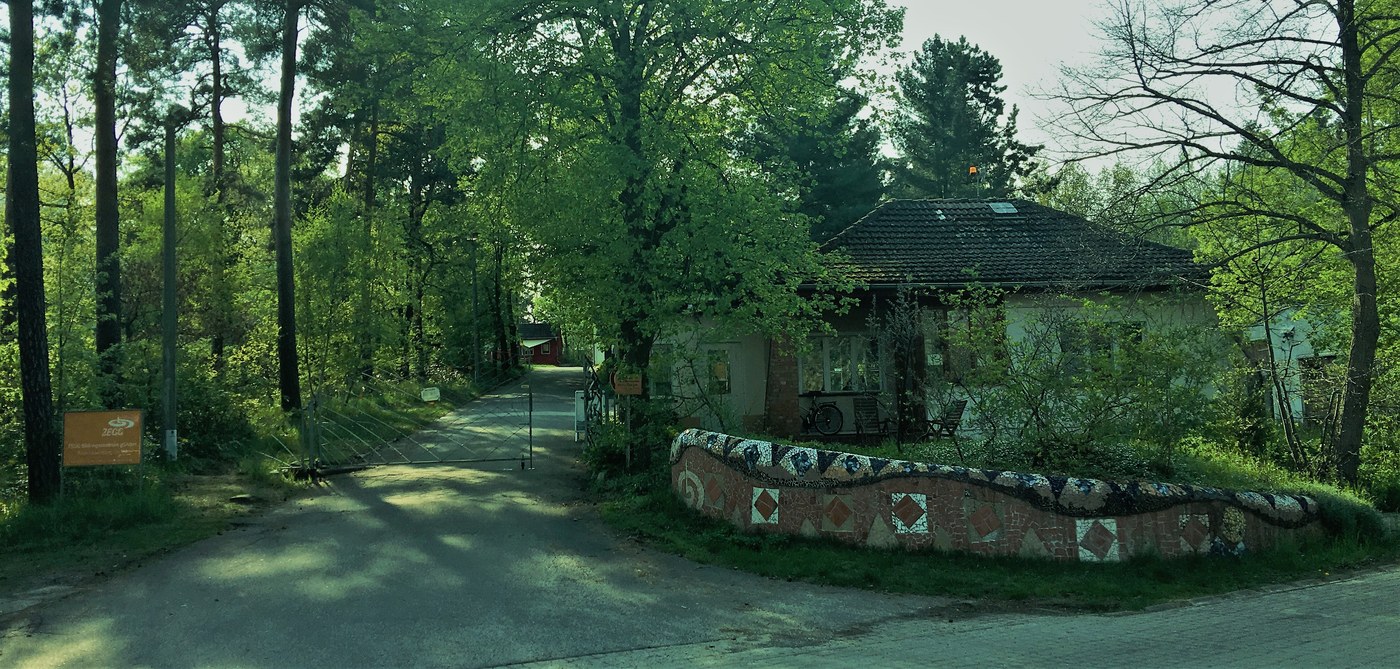
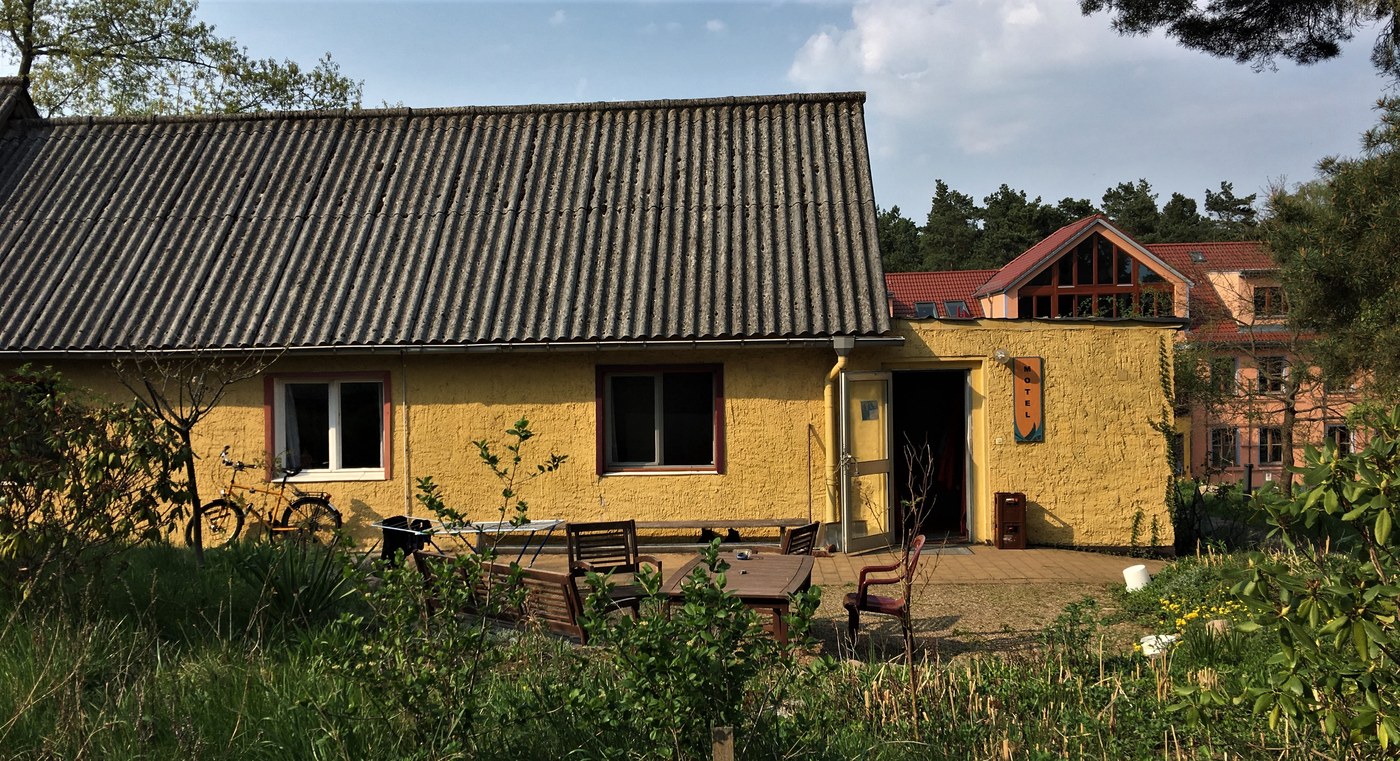
Intentional community and international seminar centre — "Zentrum für experimentelle Gesellschaftsgestaltung" (Center for Experimental Cultural Design); ~100–120 residents.
Tradition: Secular.
Welcome: Open to all adults for seminars, festivals, and guest stays; some seminars ask guests to work one shift in the washing-up team. Community focuses on love/sexuality exploration — stated up front in guest materials.
Good to know: Free-love / "Love School" character published openly (guests are told intimate encounters may happen and condoms are provided); FKK (nudist) sunbathing area by the swimming pond; smoking forbidden site-wide except marked ashtray spots; mobile phones taboo in the village square and restaurant; Bad Belzig is a spa town so a €1.50/night spa tax is collected.
How to visit: Through the events program on zegg.de (Seminardesk online registration); reception email empfang@zegg.de; community site zegg-gemeinschaft.de. Tel +49 33841 595100 (published on zegg.de).
Meals: Vegetarian with vegan options, from the community's own permaculture gardens and local organic sources; included in the accommodation package (breakfast + two warm meals/day at this seminar).
Fees or donations: Fixed fees (course fee + board/lodging, often with early-bird tiers); reductions on request; donations to ZEGG Bildungszentrum gGmbH are tax-deductible.
Minimum stay: None in general; set by each seminar/festival.
Ownership: ZEGG Bildungszentrum gGmbH, a self-administered non-profit company (recognized as non-profit since 2015); events officially hosted by this gGmbH. Land ownership detail NOT verified — flagged.
Telephone: Tel +49 33841 595100.
Founded: Founded 1991.
Architecture: Site history — 1919 agricultural/market-garden use; transferred to the SS in the early 1930s; 1936 Olympics-era cavalry training, then Hitler Youth training camp; 1950s East German trade-union school; early 1960s taken over by the GDR foreign intelligence service (HVA, under Markus Wolf) as a reconnaissance training centre; ZEGG purchased the site in 1991 for 2.1 million German marks (source: Wikipedia's ZEGG article — official confirmation recommended, flagged). Facilities: ecological sewage plant, CO2-neutral heating, organic vegetable garden, clay buildings, meditation room, artists' studios, guesthouse, children's building; main "Uni" building recently renovated for fire protection. Architects and construction years NOT published — flagged.
“A wooded 15-hectare campus with a village pub (Dorfkneipe), a swimming pond, a "room of silence," clay buildings, and a community kitchen feeding 100+ residents — evenings of song circles and Forum.”
ECOVILLAGE AT ITHACA
Ithaca, New York, USA.
Award-winning ecovillage and cohousing community on 175 acres in the Finger Lakes; three cohousing neighborhoods (FROG, SONG, TREE); founded 1991 by Liz Walker.
Tradition: Secular.
Welcome: Open to visitors; runs tours and workshops for about 1,000 visitors/year. Prospective residents have a structured exploration process including an in-person tour, meetings, work teams and a minimum 3-day visit.
Good to know: None noted beyond sustainability/cohousing focus; quiet hours 9:30 pm–7 am in some neighborhoods; community swimming pond and organic farms shared by residents.
How to visit: Via ecovillageithaca.org (Learn section for tours/workshops); some residents rent rooms/suites on Airbnb; Eco-Gap internship (2+ weeks, homestay with a family, research/volunteering project with mentor) via partner listings.
Cost: No current (2026) published prices for tours or lodging found — FLAGGED. Older reference points only: 2017 program materials list "Dip" (half-day/2-hour overview tour) and "Dive" (EcoVillage Experience weekend / five-day immersion) without prices in accessible excerpts; a visitor-review aggregator cites one review mentioning a $100 property walk — anecdotal, flagged. Confirm pricing directly with the village.
Meals: Self-catered for guest rentals; community meals offered during prospective-member visits. No inclusive meal program published.
Fees or donations: Fixed fees for tours and programs (amounts unpublished); nonprofit education arm.
Minimum stay: 3-day minimum in-person visit for prospective members (per membership packet); none for casual tours.
Ownership: Ecovillage at Ithaca Inc, a nonprofit organization (per directory listing); the three neighborhoods (FROG = First Residents' Group, SONG, TREE = Third Residential Ecovillage Experience) operate with their own boards.
Telephone: Directory listing gives +1 607-272-5149 for 100 Rachel Carson Way; NOT confirmed on the official site — flagged.
Founded: Founded 1991 (Liz Walker).
Architecture: FROG: 30 homes built 1996; SONG: 30 homes built 2004; TREE: 40 homes built 2013–2015, designed to DOE Zero Energy Ready and Passive House standards (U.S. DOE case study); 80% of the 175 acres preserved for agriculture, meadows, forest and ponds. Architects NOT published — flagged.
“175 acres of protected woods, meadows and trails; a chemical-free swimming pond; ped-only SONG neighborhood; sunset dips and farm-gate produce five minutes from downtown Ithaca.”
RETREAT INSTITUTES
OMEGA INSTITUTE FOR HOLISTIC STUDIES
Rhinebeck, New York, USA (150 Lake Drive, Rhinebeck, NY 12572).
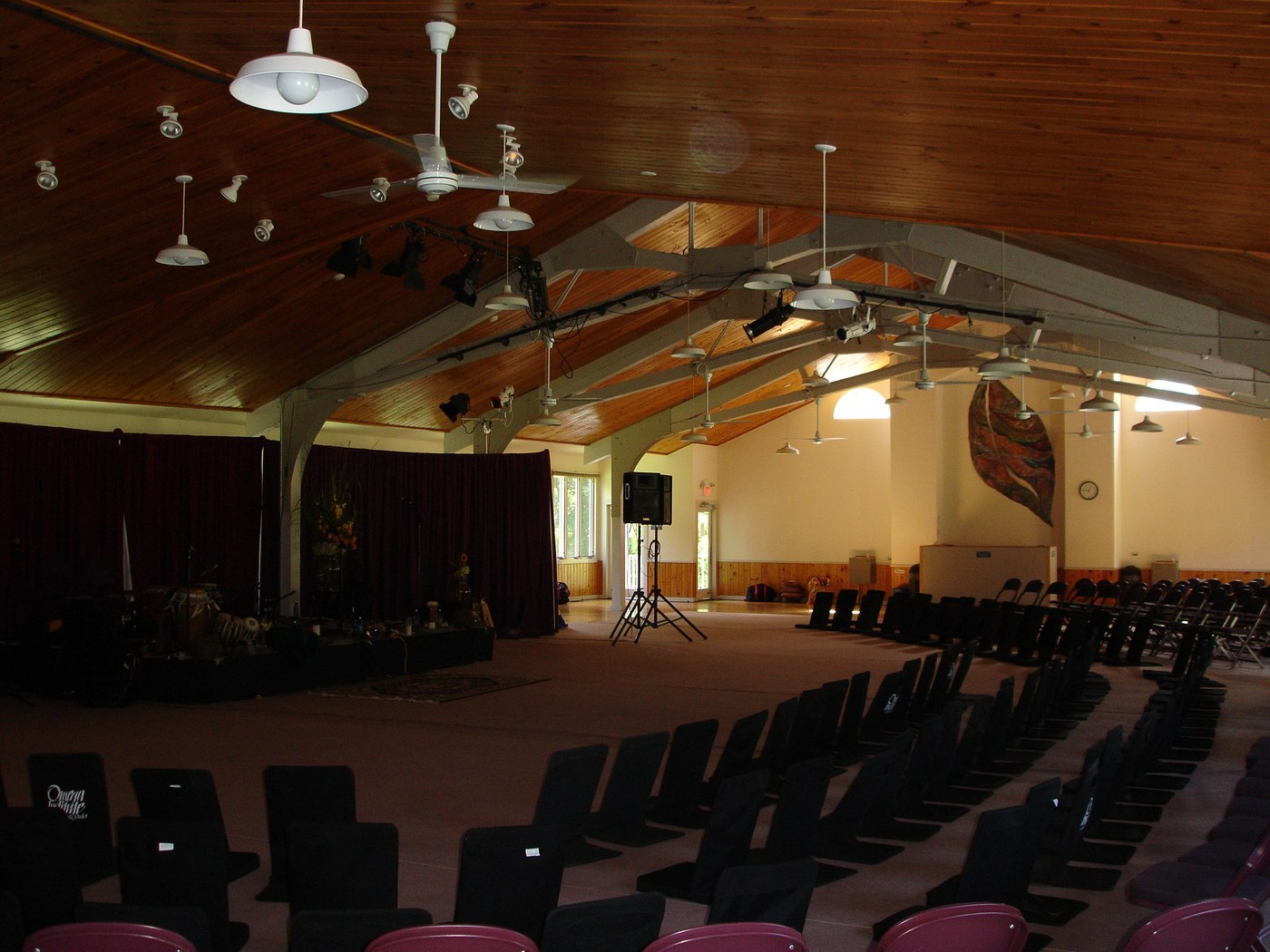
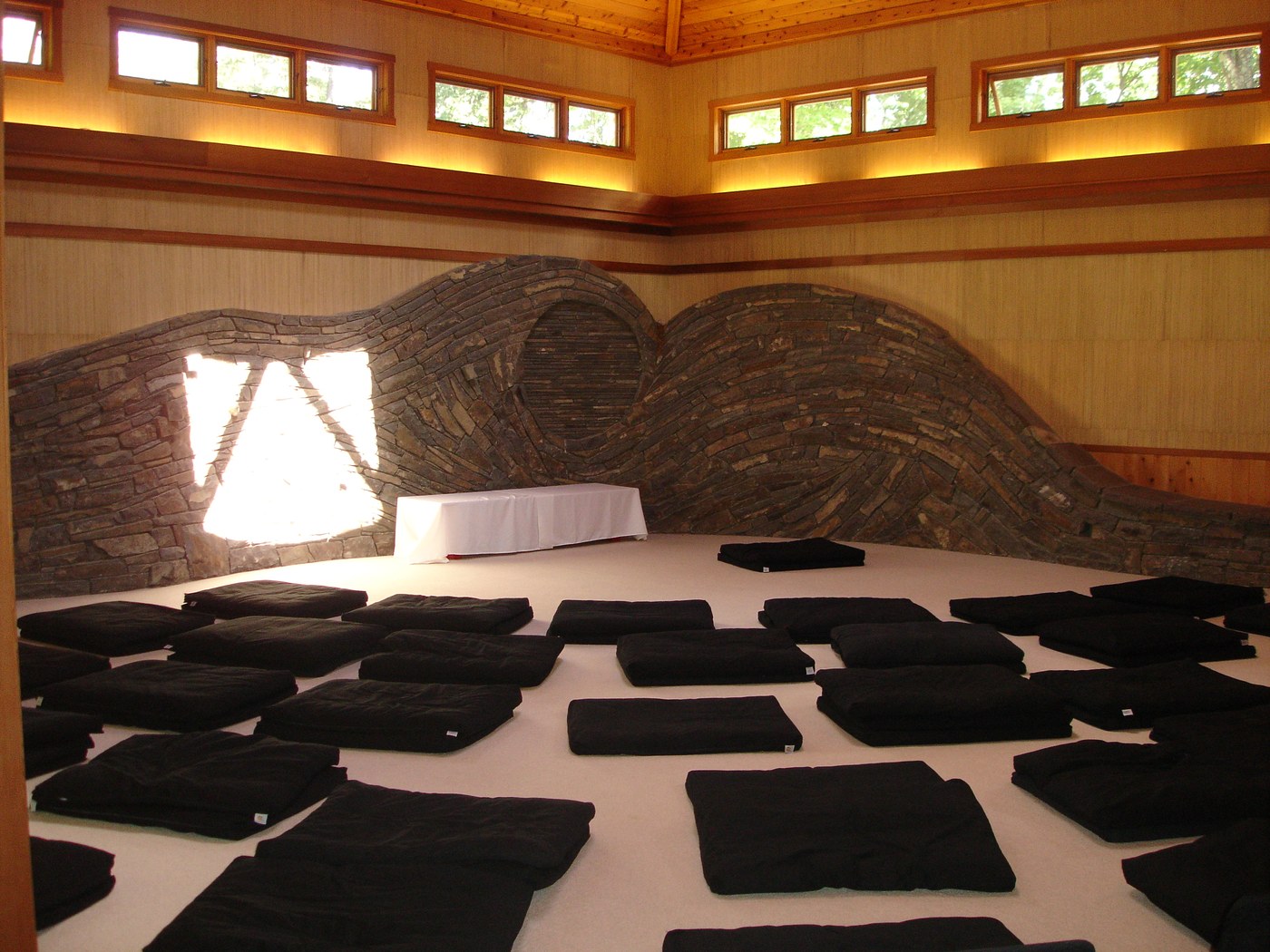
Nonprofit educational retreat center offering 300+ workshops/year plus conferences and self-guided R&R (Rest & Rejuvenation) stays.
Tradition: Secular / non-denominational holistic studies (no single faith; founded with Sufi inspiration from Pir Vilayat Inayat Khan and the "Omega Point" of Teilhard de Chardin).
Welcome: Everyone.
Good to know: None noted from official sources (campus alcohol policy UNVERIFIED — not stated). Family programs offered (Family Week); all stays all-inclusive with open daily classes.
How to visit: Online registration per workshop at eomega.org, or by phone with a reservationist at +1 877-944-2002.
Meals: Included — three farm-to-table seasonal meals daily (mostly vegetarian/vegan-leaning).
Fees or donations: Fixed fees; member discounts (~10% off tuition for members); early registration encouraged for 2026 season.
Minimum stay: None published; stays are priced by program length (weekend / 5-day / 7-night).
Ownership: Omega Institute for Holistic Studies — nonprofit educational organization.
Telephone: Tel +1 877-944-2002 (reservations); +1 845-266-4444.
Founded: Founded 1977 by Elizabeth Lesser and Stephan Rechtschaffen, M.D. (inspired by Pir Vilayat Inayat Khan); moved to Rhinebeck 1980–1982.
Architecture: Campus on the former grounds of Camp Boiberik (Sholem Aleichem Folk Institute's Yiddish summer camp); 100+ buildings including the lotus-blossom-shaped Ram Dass Library and the Omega Center for Sustainable Living (one of the first globally certified "Living Buildings"); several buildings date to the 1920s camp era. Omega calls 2026 its 49th season.
“190–250-acre wooded Hudson Valley campus (sources vary) with a lake, forested trails, the Sanctuary quiet space and Ram Dass Library.”
ESALEN INSTITUTE
Big Sur, California, USA (55000 Highway 1, Big Sur, CA 93920).
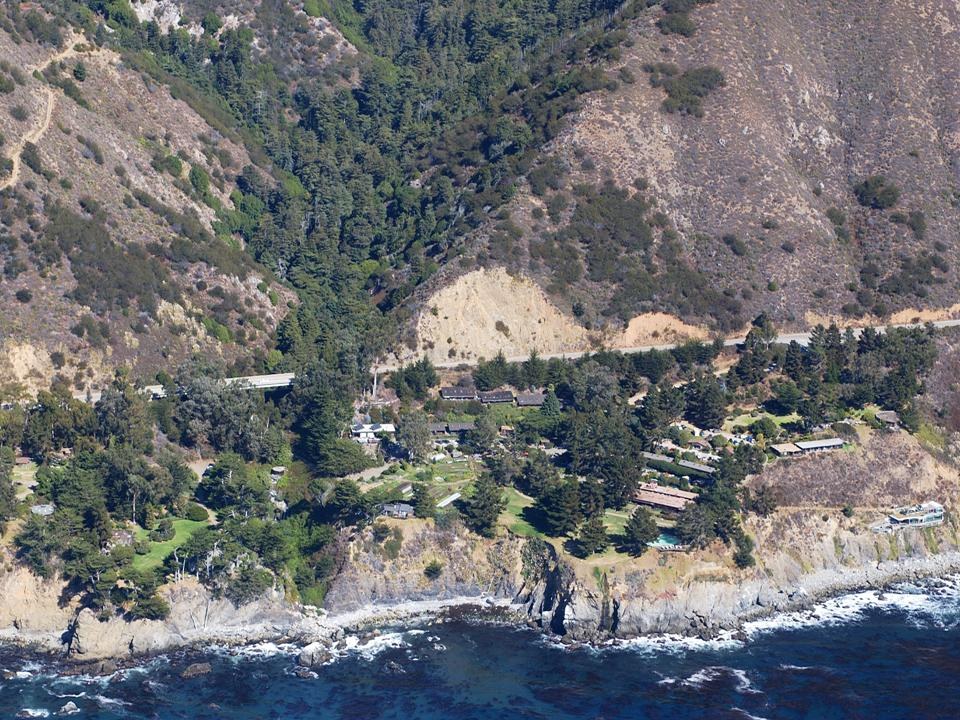
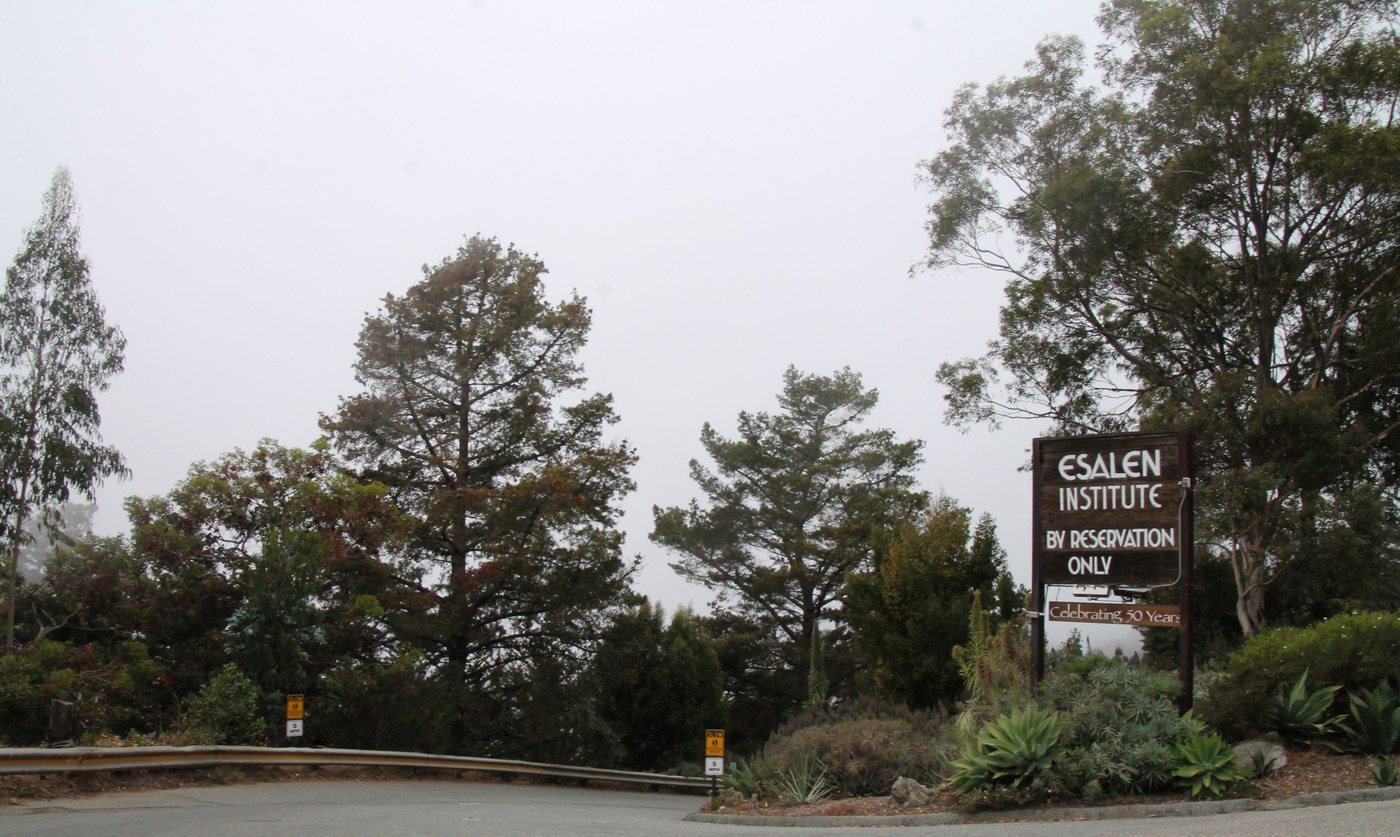
Nonprofit retreat center and intentional community on Big Sur cliffs with natural hot springs; ~400 workshops/year plus Self-Guided Explorations stays; a pioneer of the human potential movement.
Tradition: Secular — human potential movement; "no single religion or philosophy would take precedence" (Eastern + Western traditions fused).
Welcome: Everyone; individual workshops may be identity-specific (e.g., the 2026 "Moving Men" workshop is for men).
Good to know: Some workshops are gender/identity-specific; campus has spotty cell service; hot springs open to the public nightly 1–3 am by reservation ($25/person, 20 people/night — 2026 listing). Clothing-optional bathing is part of Esalen's public lore but NOT verified from an official source in this research — flagged.
How to visit: Online registration per workshop at esalen.org ("Register Now" per workshop); phone +1 831-667-3000.
Meals: Included — breakfast, lunch, dinner (farm-to-table, much from Esalen's own organic garden; "often vegetarian" per the institute's massage-school catalog).
Fees or donations: Fixed fees; scholarships occasionally offered by individual faculty (e.g., a 2026 workshop invites direct contact with the teacher for hardship scholarships).
Minimum stay: None published; stays are per-workshop (typically 2–7 nights; Sleeping Bag/Bunk spaces capped at 7 consecutive days).
Ownership: Esalen Institute — nonprofit (incorporated as a nonprofit in 1963).
Telephone: Tel +1 831-667-3000.
Founded: Founded 1962 by Stanford graduates Michael Murphy and Richard "Dick" Price (with support from Aldous Huxley, Alan Watts, Gerald Heard, Gregory Bateson, Frederic Spiegelberg); named with altered spelling for the indigenous Esselen people who frequented the springs.
Architecture: Site homesteaded by Thomas Slate in 1882 (Slate's Hot Springs, Big Sur's first tourist business); purchased 1910 by Dr. Henry Cloyd Murphy (Salinas physician); run as "Big Sur Hot Springs" (Slate's Hot Springs) with a run-down hotel and, from the 1950s, hotel units; Murphy and Price leased the family property in 1962. "Lodge built 1910" claim UNVERIFIED (1910 is the verified year of the Murphy family's land purchase, not a specific building date) — flagged.
“Cliffside hot springs above the Pacific surf; organic garden; near-zero light pollution stargazing; the Lodge and Point Houses perched at the cliff edge.”
Photographs: credited individually above; all images public domain or Creative Commons attribution licenses via Wikimedia Commons.